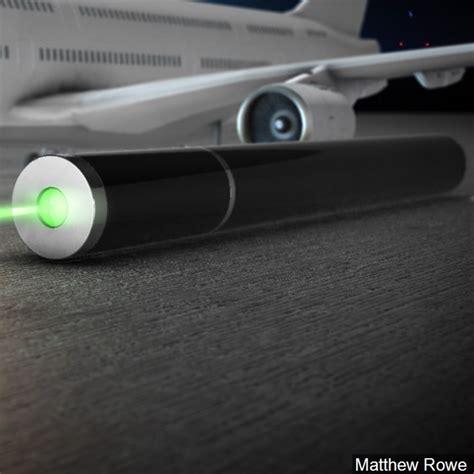
Air travel has long been regarded as one of the safest modes of transportation thanks to rigorous training, advanced technology, and the unwavering concentration of flight crews. However, one underestimated threat has become increasingly concerning in recent years: the misuse of laser pointers directed at airplanes. While laser devices may appear harmless in everyday settings, when aimed at an aircraft in critical stages of flight, they can create serious hazards for pilots, passengers, and aviation safety as a whole.
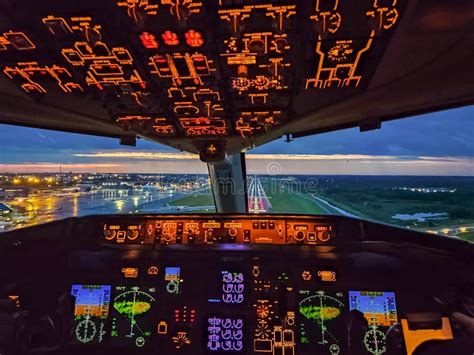
The Science Behind Laser Pointer Hazards
Laser pointers are designed to emit a concentrated beam of light. Unlike conventional flashlights, this beam is highly collimated, meaning it does not spread out much over distance. This characteristic allows even a small handheld laser to project light miles into the sky, directly into an aircraft cockpit.
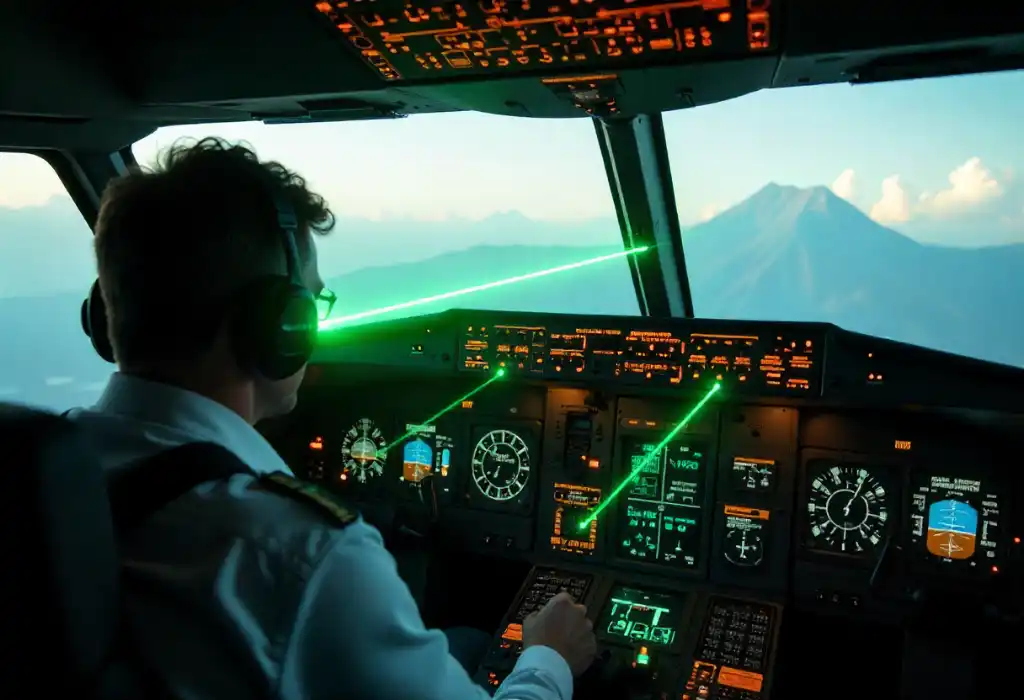
According to the Federal Bureau of Investigation (FBI), a standard consumer laser pointer has the potential to illuminate cockpits flying more than one mile above the ground. Pilots often compare the effect of a laser strike to having a camera flash explode in a driver’s eyes while navigating a dark road. The sudden glare can induce flash blindness, afterimages, and disorientation—serious impairments during crucial phases of flight such as takeoff, approach, or landing.
Flash Blindness and Visual Distortion
When the human eye is hit by a strong laser beam, the retina’s photoreceptor cells—cones and rods—are overwhelmed, resulting in temporary vision loss. At night, this effect is magnified since eyes are already adjusted to low-light conditions. Recovery may take several seconds to several minutes, and in aviation, even a few seconds of compromised vision can lead to catastrophic consequences.
The American Institute of Physics reported that at a distance of 100 meters, a red laser pointer’s beam can expand to be 100 times wider, producing an even stronger glare when focused by the pilot’s eyes. Furthermore, the FAA highlights that the eye’s lens can intensify the energy density of the laser beam by up to 100,000 times, greatly amplifying the danger.
Impact on Pilots and Flight Operations
Pilots subjected to laser strikes have described their experiences as disorienting, painful, and terrifying. The cockpit environment amplifies the risks because windows reflect and scatter the light, making the glare more intrusive. Some of the most common physiological and operational impacts include:
- Glare and Distraction – preventing pilots from seeing outside references.
- Flash Blindness – a temporary white-out effect that can last seconds to minutes.
- Afterimages – persistent bright spots in vision that reduce situational awareness.
- Startle Effect – sudden exposure can cause stress, confusion, or disorientation.
- Eye Injury Risk – prolonged or powerful exposure may cause retinal burns.
For an aircraft traveling at hundreds of miles per hour, a single moment of lost focus could jeopardize not just the flight crew, but hundreds of passengers on board.
Growing Frequency of Laser Incidents
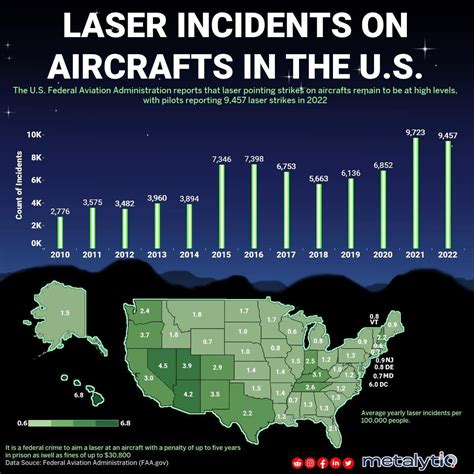
The Federal Aviation Administration (FAA) has tracked laser pointer incidents since the mid-2000s, and the numbers continue to rise despite strict laws and public awareness campaigns. In fact, the frequency of laser attacks has reached alarming levels in recent years.
FAA-Reported Laser Incidents
| Year | Reported Incidents |
|---|---|
| 2023 | 13,304 |
| 2024 | 12,840 |
| 2025 (as of mid-year) | 5,176 |
These numbers highlight that laser strikes are not isolated events but rather a persistent aviation threat. Major airports and dense urban areas tend to experience higher incident rates due to increased flight activity and population density.
Legal Consequences and Law Enforcement
Recognizing the severity of the issue, the U.S. government enacted federal legislation in 2012 that makes it a crime to aim a laser pointer at an aircraft. Offenders face up to five years in prison, fines exceeding $10,000, or both.
The FBI has also incentivized public cooperation by offering a $10,000 reward for information leading to the arrest of individuals responsible for laser strikes. Despite these deterrents, many offenders underestimate the consequences, often dismissing it as a harmless prank without realizing the potentially deadly implications.
Globally, similar laws exist in Europe, Asia, and the Middle East, with many aviation authorities adopting zero-tolerance policies. Countries like the UK have imposed sentences of up to five years, while Australia and Canada classify high-powered laser possession as a restricted offense.
Preventive Measures in Aviation Safety
Aviation authorities and airlines continue to invest in protective solutions to safeguard pilots and passengers from laser strikes. Some key defense measures include:
Protective Eyewear
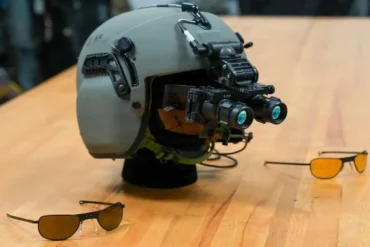
Pilots are being equipped with laser-blocking glasses designed to filter specific wavelengths of light commonly used in consumer laser devices. These glasses reduce glare while preserving night vision, although they are not yet a universal solution.
Aircraft Design Improvements
Research is underway to develop cockpit window coatings that can block or diffuse laser light. By reducing laser penetration, these coatings would limit the intensity of any beam directed at the flight deck.
Law Enforcement and Public Awareness
Increasing public education about the dangers of laser misuse remains essential. Many offenders are teenagers or individuals unaware of the life-threatening consequences of their actions. Campaigns emphasize that laser strikes are not pranks—they are federal crimes with severe consequences.
The Global Perspective
Laser strikes are not confined to the United States; they have become a worldwide aviation safety issue. Countries with high urban density and heavy flight traffic report similar challenges. For example:
- The UK Civil Aviation Authority reported over 1,500 incidents in 2022.
- Australia has banned laser pointers stronger than 1 milliwatt without a special permit.
- Canada imposes fines of up to CAD 100,000 for laser misuse near airports.
This global spread demonstrates the need for international cooperation in law enforcement, regulation, and education to mitigate risks effectively.
Conclusion
Laser pointers may appear to be innocent gadgets, but their misuse poses a serious threat to aviation safety. Pilots depend on clear vision and unwavering concentration, especially during critical stages of flight. A single moment of distraction caused by a laser can compromise the safety of an entire aircraft.
Enforcing strict laws, raising public awareness, equipping pilots with protective technology, and fostering international cooperation are all vital steps in addressing this issue. The evidence is clear: laser strikes are dangerous for airplanes, and society must treat them with the seriousness they deserve.
Frequently Asked Questions (FAQ)
Why are laser pointers dangerous for airplanes?
Laser pointers can project intense beams of light that travel for miles. When directed at a cockpit, they cause glare, flash blindness, and visual disorientation, impairing a pilot’s ability to control the aircraft safely.
What are the penalties for aiming a laser at an aircraft?
In the United States, aiming a laser at an aircraft is a federal crime punishable by up to five years in prison, fines exceeding $10,000, or both. Other countries impose similar penalties, including imprisonment and substantial fines.
How common are laser strikes on airplanes?
Laser strikes occur thousands of times each year. In 2023, the FAA recorded over 13,000 incidents in the U.S. alone, reflecting the seriousness and persistence of this aviation hazard.
Can pilots protect themselves from laser strikes?
Yes, pilots are increasingly using laser-filtering eyewear and airlines are exploring protective cockpit glass coatings. However, prevention through enforcement and public awareness remains the most effective safeguard.