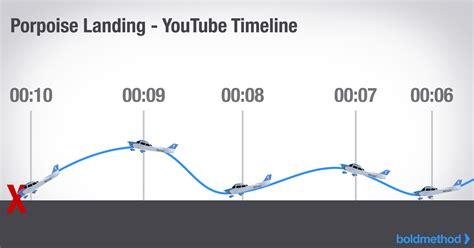
A porpoise landing is one of the most deceptively dangerous scenarios in general aviation. Though it may initially resemble a minor bounce or an unstable touchdown, the rapid succession of nose-first impacts it can unleash may lead to catastrophic aircraft damage and severe injury. In this comprehensive analysis, we unpack the core dynamics behind porpoise landings, why they so often escalate into mechanical failure, and what corrective actions pilots must master to prevent disaster.
Understanding the Mechanics of a Porpoise Landing
At its core, a porpoise landing is a series of oscillating, nose-first bounces that occur during landing, resembling the arcing motion of a dolphin or porpoise slicing through waves. These repeated impacts are usually initiated by one of two critical pilot errors: excessive approach speed or an improper flare technique.
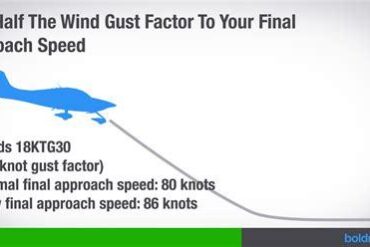
When an aircraft is too fast on final approach, it tends to float just above the runway instead of settling. Pilots unfamiliar with this sensation may react by forcing the aircraft down, driving the nosewheel onto the runway before the main gear is properly established. This moment of premature contact begins a hazardous cycle of kinetic response.
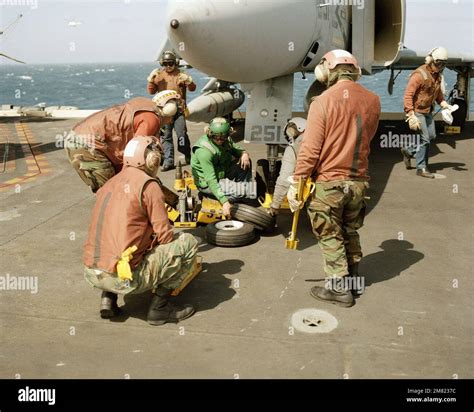
On impact, the aircraft’s main gear compresses and rebounds, causing the tail to drop and the nose to rise sharply. This rapid increase in angle-of-attack causes the wings to briefly generate more lift, unintentionally launching the aircraft back into the air. If the pilot continues to exert neutral or forward pressure on the yoke in an attempt to ‘correct’ the bounce, the plane slams nose-first into the runway again—thus deepening the porpoising motion.
What Actually Happens During a Porpoise Landing Event?
Let’s walk through the step-by-step physics behind a classic porpoise landing, taking cues from a well-documented incident captured on video:
At 00:02, the aircraft crosses the threshold low and fast, indicating poor airspeed management. Within a second, the pilot bounces the main gear and mistakenly forces the nose down.
At 00:04, the main gear hits the runway again, compressing and rebounding as the aircraft’s tail dips. This increase in wing lift pulls the plane upward, and the cycle begins.
From 00:05 to 00:09, the porpoising accelerates. With each bounce, the nose hits harder, generating increasing structural loads. The pilot’s alternating yoke inputs—known as pilot-induced oscillations (PIOs)—worsen the dynamic instability.
By 00:10, the overstressed nose gear snaps off under the load. The propeller strikes the runway, leading to a destructive cascade: flying debris, possible fire risk from fuel line rupture, and a total loss of control authority.
The reason porpoise landings pose such a high level of danger is due to their rapid progression and the structural vulnerabilities of general aviation aircraft. Even in aircraft with rugged fixed-gear systems, repeated nose-down strikes create forces beyond the engineered tolerances of the nose assembly.
Critical risk factors include:
- Nose gear collapse: The nose gear is not built to absorb the full kinetic load of repeated landings. When it fails, the aircraft nose drops abruptly, typically resulting in a propeller strike.
- Propeller damage: A prop strike not only disables the engine but may also result in engine failure due to internal damage, requiring costly or total engine teardown.
- Firewall deformation: The forward portion of the fuselage can crumple under repeated impacts, compromising cockpit integrity and control linkages.
- Loss of control: As the oscillations accelerate, pilots lose the ability to input meaningful corrections. The window for recovery closes in seconds.
Go-Around: The Only Safe Solution
When the first bounce occurs, many pilots panic. They attempt to correct using small control inputs—pulling back or pushing forward on the yoke. This leads to PIOs that deepen the problem. However, aviation training standards are crystal clear: the only truly safe response to a developing porpoise is to initiate a go-around immediately.
By adding power and pitching up, pilots can disengage from the unstable energy cycle. Climbing away from the runway allows time to reset mentally, reassess approach speed, and attempt a safer second landing. Trying to salvage a porpoised touchdown with minor corrections is nearly always a losing battle.
Training Against Porpoising: What Pilots Must Practice
Porpoising isn’t exclusive to novices. Even experienced aviators can find themselves in a bad position after a long float or a rushed approach. However, regular training in bounced-landing recovery and go-around scenarios is vital for preparedness.
Essential training elements include:
- Stabilized approach criteria: Maintain proper descent rate and airspeed. If an approach is unstable below 500 feet AGL, go around.
- Proper flare technique: Avoid diving toward the runway. Let the aircraft settle naturally.
- Yoke discipline: Always hold back pressure to keep the nosewheel off until the main gear is firmly on the ground.
- Mental readiness to go around: Train until the go-around response is reflexive—not reactive.
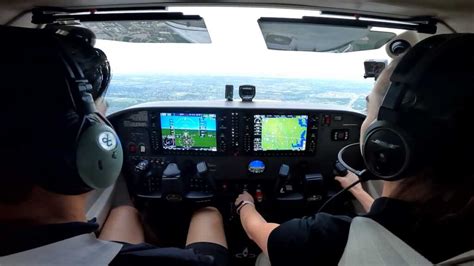
Porpoise Landing Prevention Starts on Approach
Every safe landing begins far before the wheels touch down. Prevention of porpoise landings lies in maintaining a stabilized approach, which aviation safety agencies define as having the aircraft configured for landing, on speed, and on glide path, with minimal corrections below 500 feet.
Too often, pilots allow the aircraft to get ahead of them—carrying too much speed into the flare, or failing to arrest descent rate in time. When an aircraft approaches the threshold in this condition, it’s already primed for a bounce. Pilots must recognize this precondition and refrain from forcing the landing.
Furthermore, nosewheel-first touchdowns are never acceptable in tricycle gear aircraft. The main gear is built to absorb impact; the nose gear is not. Flaring properly and touching down on the main wheels is essential.
Case Studies: Porpoise Landing Incidents and Aftermath
Across various safety reports from the NTSB and international equivalents, the same pattern appears: seemingly benign first bounces rapidly devolve into destructive sequences. A Cessna 172 in Arizona suffered firewall buckling and propeller detachment after a bounce from just four feet above the runway. The pilot admitted to “pushing the nose down to plant the landing.”
In another instance, a Piper Archer sustained complete nose gear collapse and a cracked crankcase after a porpoise sequence lasting just six seconds. In both cases, a go-around would have prevented major damage and probable injury.
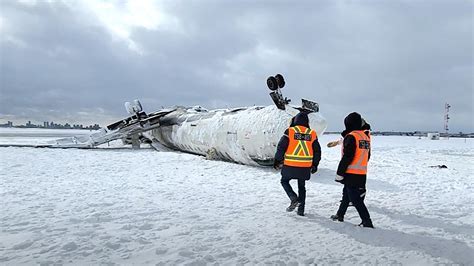
Conclusion: Porpoising is Preventable — But Not Forgiving
There is a dangerous myth that “any landing you walk away from is a good one.” In reality, porpoise landings often begin with minor misjudgments that snowball into structural damage, injury, and loss of aircraft. The key lesson is clear: porpoising is preventable, and when it begins, it must be aborted immediately.
As aviators, our responsibility is to act decisively—not attempt minor corrections in the face of an unstable touchdown. Mastering flare technique, maintaining correct approach speed, and always being ready for a go-around are non-negotiable habits. Because when the nose gear fails and the prop strikes asphalt, it’s already too late.