Modern main battle tanks represent the peak of armored warfare technology, combining advanced fire-control systems, thermal imaging, laser rangefinders, and highly engineered armor protection. These vehicles can identify and destroy targets at extreme distances, operate in harsh environments, and survive threats that would have defeated earlier generations of armored vehicles. Yet despite these technological advances, some of the world’s most capable tanks still rely on a surprisingly traditional system: a human soldier loading the main gun.
At first glance, keeping a dedicated loader inside a modern tank may seem outdated. After all, computers can calculate firing solutions, sensors can locate targets, and mechanical systems can perform complex tasks with impressive speed. However, nations that continue using human loaders believe the extra crew member provides advantages that cannot be easily replaced by automation.
How Tank Autoloaders Changed Armored Vehicle Design
The development of the tank autoloader changed the way engineers approached armored vehicle design. During the Cold War, several countries explored automated loading systems as a way to reduce crew size, lower production costs, and create smaller, harder-to-hit tanks.
Vehicles such as the Soviet-designed T-72, T-80, and later T-90 incorporated autoloaders that allowed them to operate with a three-person crew instead of the traditional four. By removing the human loader, designers could reduce turret size and create a lower silhouette, making the tank more difficult for enemy forces to detect and target.
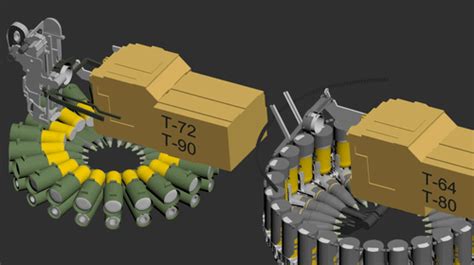
Autoloaders also provide consistent performance because mechanical systems do not experience fatigue. A machine can theoretically maintain the same loading speed during a long battle, while a human loader may become slower after hours of physical effort. This reliability helped make automated loading systems attractive for many modern armored forces.
However, the advantages of autoloaders come with compromises. Mechanical systems require additional components that can fail under combat conditions. If an autoloader becomes damaged, repairing it in the field may be difficult compared with replacing or assisting a human crew member.
Why Human Tank Loaders Remain Valuable on the Battlefield
Supporters of human loaders argue that their role involves far more than simply placing shells into the gun. A skilled loader becomes an important member of the tank crew, responsible for ammunition handling, communication tasks, equipment checks, and assisting with battlefield awareness.
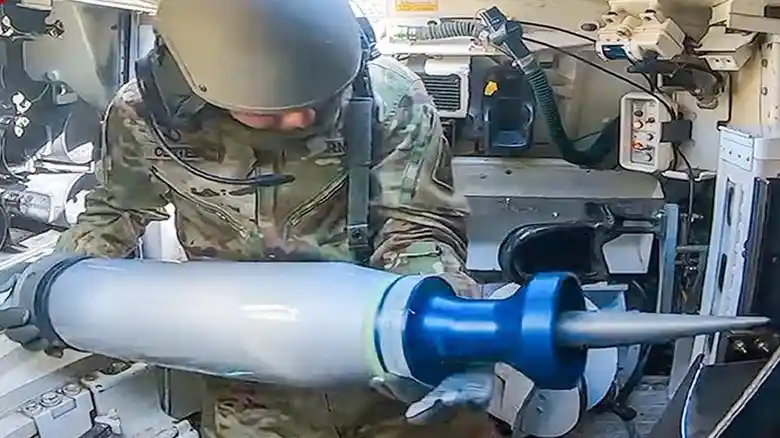
Inside vehicles such as the M1 Abrams, loaders are trained to rapidly prepare ammunition and load the main gun under extreme pressure. Experienced loaders can achieve very fast reload times, sometimes completing the process within only a few seconds. More importantly, they can adapt when unexpected situations occur.
A human loader can recognize ammunition problems, reorganize storage areas, assist with damage control, and help identify threats around the vehicle. This flexibility gives commanders another trained crew member who can contribute beyond the narrow function of ammunition delivery.
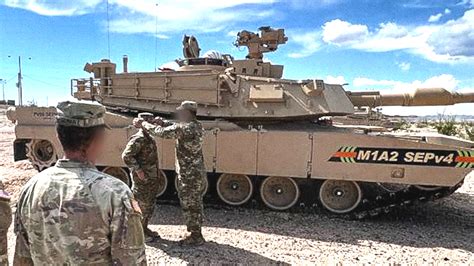
The extra pair of eyes is especially valuable in complex combat environments. Modern tank battles are not simply contests between guns and armor. Crews must communicate, observe terrain, manage equipment failures, and respond quickly to changing threats. Supporters believe that a fourth crew member improves overall survivability.
Different Tank Design Philosophies Shape Military Decisions
The decision to use an autoloader or a human loader reflects different military priorities rather than a simple measure of technological advancement. Nations that prioritize smaller vehicle designs and reduced crew requirements often favor automation, while others value the flexibility provided by additional personnel.
The United States and the United Kingdom have traditionally maintained human loaders in many of their most advanced tanks because commanders believe the benefits outweigh the disadvantages. The design philosophy focuses on crew adaptability, maintenance capability, and battlefield resilience.
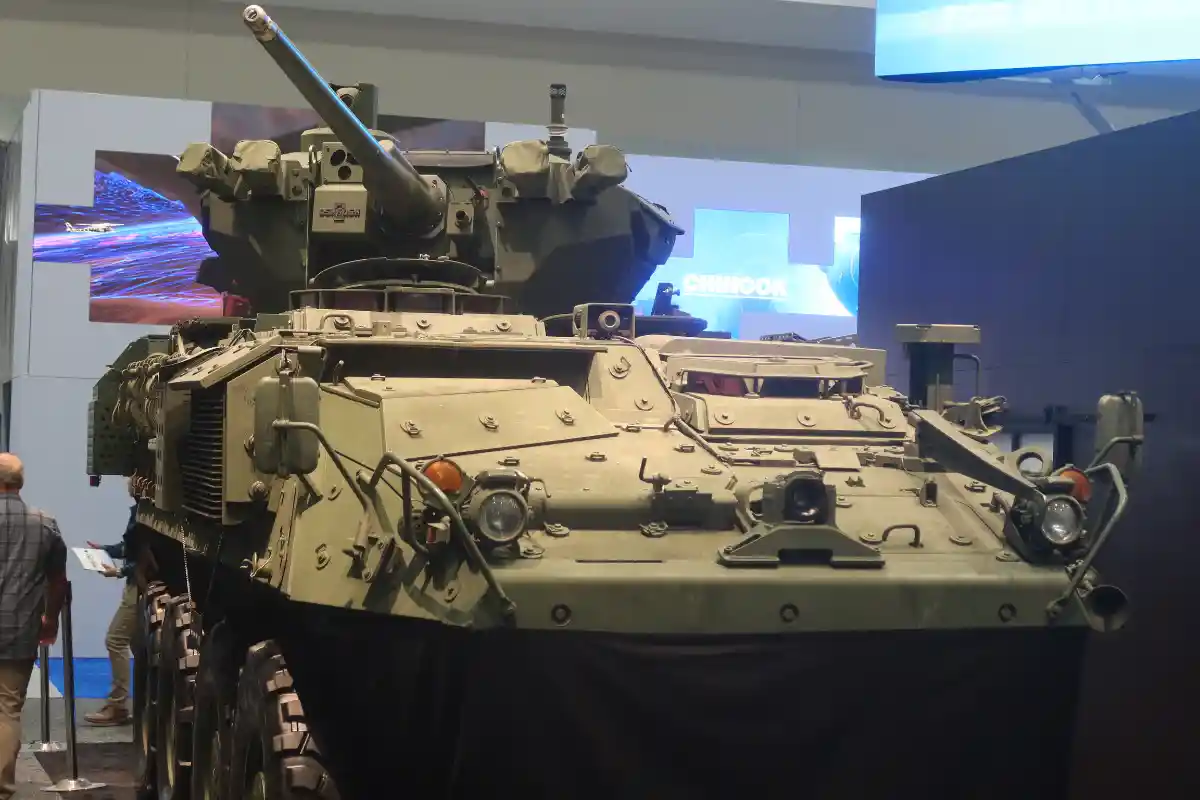
Future tanks may eventually move toward greater automation as artificial intelligence, robotics, and autonomous systems become more reliable. New designs are likely to combine mechanical assistance with advanced human-machine cooperation rather than completely replacing soldiers.
For now, the continued presence of human loaders in some modern tanks demonstrates that technological progress does not always mean removing people from the battlefield. In many cases, a trained soldier remains one of the most adaptable and valuable systems a tank can carry.