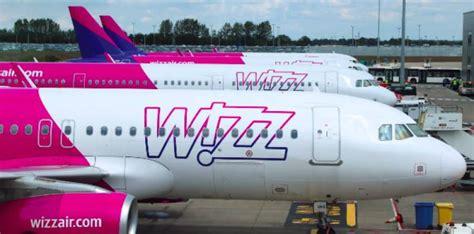
Wizz Air, Hungary’s flagship low-cost carrier, continues to expand its network in 2025 with aggressive pricing strategies, a growing fleet, and a reputation that sparks both loyalty and criticism. With over 29,000 user-submitted reviews on platforms like TripAdvisor, Wizz Air remains one of the most talked-about airlines in Europe. Our deep-dive analysis into its current operations, passenger experiences, and service structure provides clarity on whether Wizz Air delivers value for money or simply lures travelers into unexpected expenses.
Wizz Air’s Operational Footprint in 2025
Headquartered at Budapest International Airport (BUD), Wizz Air (IATA: W6) now services over 100 destinations across 35 countries, targeting secondary airports to keep costs low. This approach has enabled the airline to carve out a significant presence not only in Eastern and Central Europe, but also in emerging routes across Asia, the Middle East, and North Africa.
In 2025, Wizz Air continues to operate a single-class configuration — Economy only — with no upgrade options to business or premium services. All amenities, from seat selection to carry-on baggage, come at a cost. This “pay-per-service” model is central to the Wizz Air brand.
The Fleet and Cabin Experience
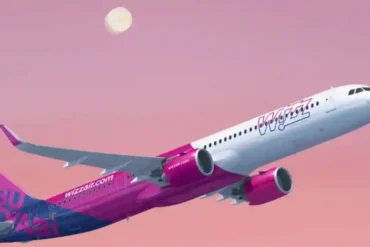
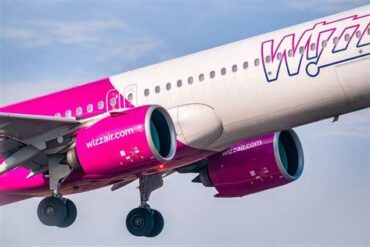
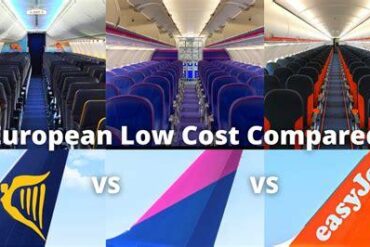
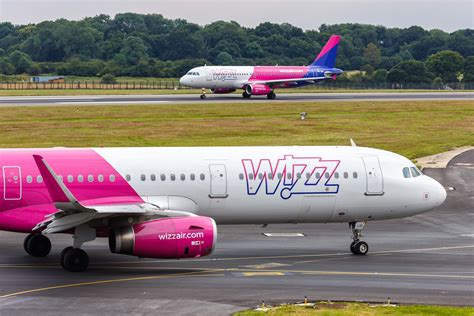
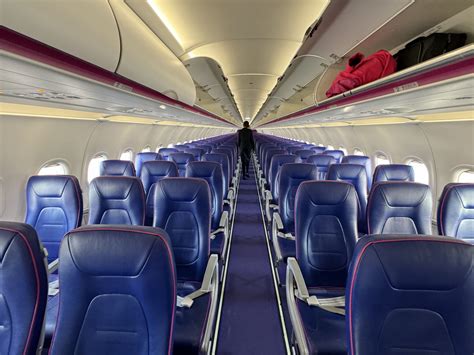
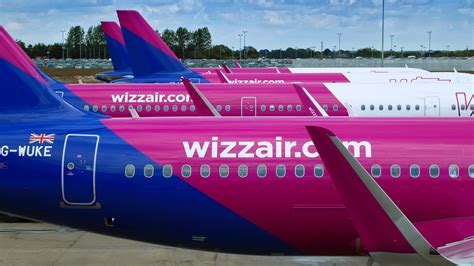
Wizz Air boasts a young and uniform fleet composed primarily of Airbus A320 and A321neo aircraft. These aircraft are chosen for their fuel efficiency and seat density — up to 239 passengers per plane. While this aids in reducing ticket prices, the downside manifests in tight seating arrangements with minimal legroom. Many passengers describe the seating as cramped, particularly for flights over three hours.
The lack of in-flight entertainment — no screens, WiFi, or music options — reinforces the no-frills experience. The cabins are kept clean, and although the airline lacks luxury touches, the flight deck crew is generally professional and competent in routine operations.
Pricing Structure and Add-Ons: Transparency or Trap?
Wizz Air is best known for extremely low base fares, sometimes under €10. However, these come with strict limitations. Passengers are allowed only one small personal item unless they pay for extra services like “Wizz Priority” or checked luggage. Fees for extras quickly accumulate:
- Checked baggage: €35–€80 per flight, depending on weight and season
- Cabin trolley bag: Up to €75 if unpaid online in advance
- Seat selection: €5–€25
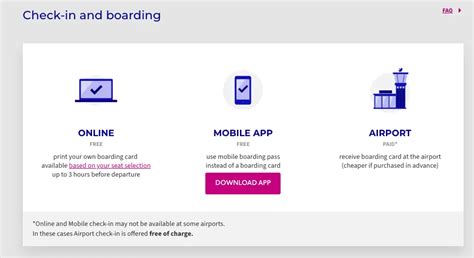
- Airport check-in: €35 if not completed online
Several 2025 reviews highlight surprise charges at the gate, especially for hand luggage or failing to check in digitally. These hidden fees have led to serious frustration, with many calling the airline’s tactics predatory and misleading.
Check-In, Boarding, and Ground Services
Online check-in is mandatory and available only within 48 hours of the flight unless passengers pay for reserved seats, which extends the window. Failure to complete online check-in can result in hefty fees at the airport, reportedly up to €35 per person.
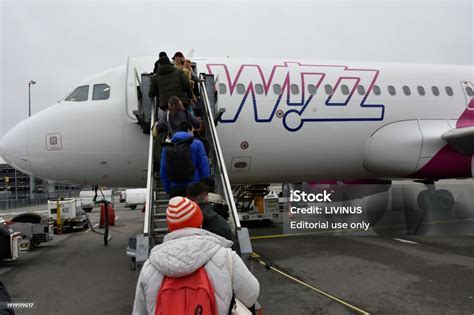
Boarding often occurs via remote stands and shuttle buses, even at larger airports. Passengers frequently report disorganized boarding procedures, with staff appearing undertrained or overwhelmed. Complaints about rude or dismissive behavior, especially at airports in Larnaca, Varna, and Milan, are abundant.
In May 2025, a notable incident occurred on the Bucharest to Birmingham route where passengers were boarded, deplaned, then transferred to another aircraft due to operational delays — with no apology issued.
Customer Service and Support in 2025
Wizz Air’s customer service reputation remains one of its weakest points. With over 17,000 reviews labeled as “Terrible” on TripAdvisor, recurring themes include:
- Difficulty reaching live support agents
- Delayed refunds or compensation claims
- Inflexibility in emergency rebookings
- Refusal to acknowledge service shortcomings
A recent review from a traveler between Athens and Budapest claimed that staff charged €185 in luggage fees despite prior online payments and lack of available check-in options — a pattern suggesting systemic miscommunication or profit-driven enforcement.
Onboard Food and Beverage Service
Wizz Air offers a limited menu for purchase onboard, primarily composed of packaged snacks, soft drinks, coffee, and alcohol. However, availability is inconsistent. A May 2025 passenger traveling Varna to London reported that most food items were out of stock, with their final choice being crushed Bake Rolls, which they described as “disgusting.”
Menu pricing is moderate, but the lack of quality and quantity control during peak seasons often makes onboard purchases an unreliable option.
Cleanliness and Cabin Maintenance
While Wizz Air cabins are generally kept clean between flights, long-haul flights or consecutive short-haul rotations can lead to reduced upkeep. Toilets reportedly become unsanitary on longer flights, and since there is no complimentary amenity kit, passengers are advised to bring their own hygiene products.
Seat tray tables, windows, and armrests are frequently wiped down, and few complaints involve outright dirt or odors. However, seat condition (such as reclining mechanisms and padding) varies depending on aircraft age.
Who Should Fly Wizz Air in 2025?
Wizz Air is not designed for luxury or comfort. Instead, it’s an airline for:
- Price-sensitive travelers
- Short-haul fliers under three hours
- Passengers comfortable with self-service check-in and mobile boarding
- Individuals who can travel light and avoid extra fees
However, travelers with children, senior passengers, or those needing assistance may find the lack of support infrastructure frustrating or even exclusionary.
User Ratings Breakdown and Sentiment Analysis
Out of 29,708 reviews:
- Excellent: 3,446
- Good: 4,313
- Average: 2,843
- Poor: 2,064
- Terrible: 17,042
The skew toward negative reviews suggests widespread dissatisfaction. However, many satisfied users mention on-time arrivals, modern aircraft, and undeniable ticket affordability as reasons for continued loyalty.
Conclusion: A Calculated Gamble for 2025 Travelers
Wizz Air’s 2025 operations represent a deliberate trade-off between affordability and comfort. For experienced budget travelers who understand the rules — and strictly follow them — the airline can be a cost-effective tool for European travel. But for the unprepared or those expecting traditional full-service treatment, Wizz Air often feels like a minefield of upcharges, delays, and impersonal service.
We recommend Wizz Air only to those willing to research policies extensively, travel without checked baggage, and accept that customer care may be limited to digital forms or automated bots. It’s a carrier built for those who value price over polish, but the hidden costs — both monetary and experiential — can outweigh the initial savings for many.
FAQs about Wizz Air Flights in 2025
Q1: Is Wizz Air still the cheapest airline in Europe?
Yes, Wizz Air remains one of the most budget-friendly options, but only if travelers avoid add-ons. Once extras are factored in, prices can rival full-service airlines.
Q2: Does Wizz Air provide refunds or compensation for delays?
Legally, yes — but the process is slow and often requires persistent follow-up through EU regulation portals or third-party agencies.
Q3: Can I bring a carry-on bag for free in 2025?
Only a small personal item is included for free. A cabin-sized trolley bag now requires Wizz Priority or a separate luggage fee, enforceable even at the gate.
Q4: Is there a way to contact Wizz Air quickly?
Wizz Air uses a virtual assistant on its website and app. Phone support exists, but hold times are long. Live chat is sporadically available.
Q5: How do I avoid extra charges on a Wizz Air flight?
Check in online, travel with a single small bag, avoid choosing seats manually, and skip food purchases. Read all terms carefully during booking.