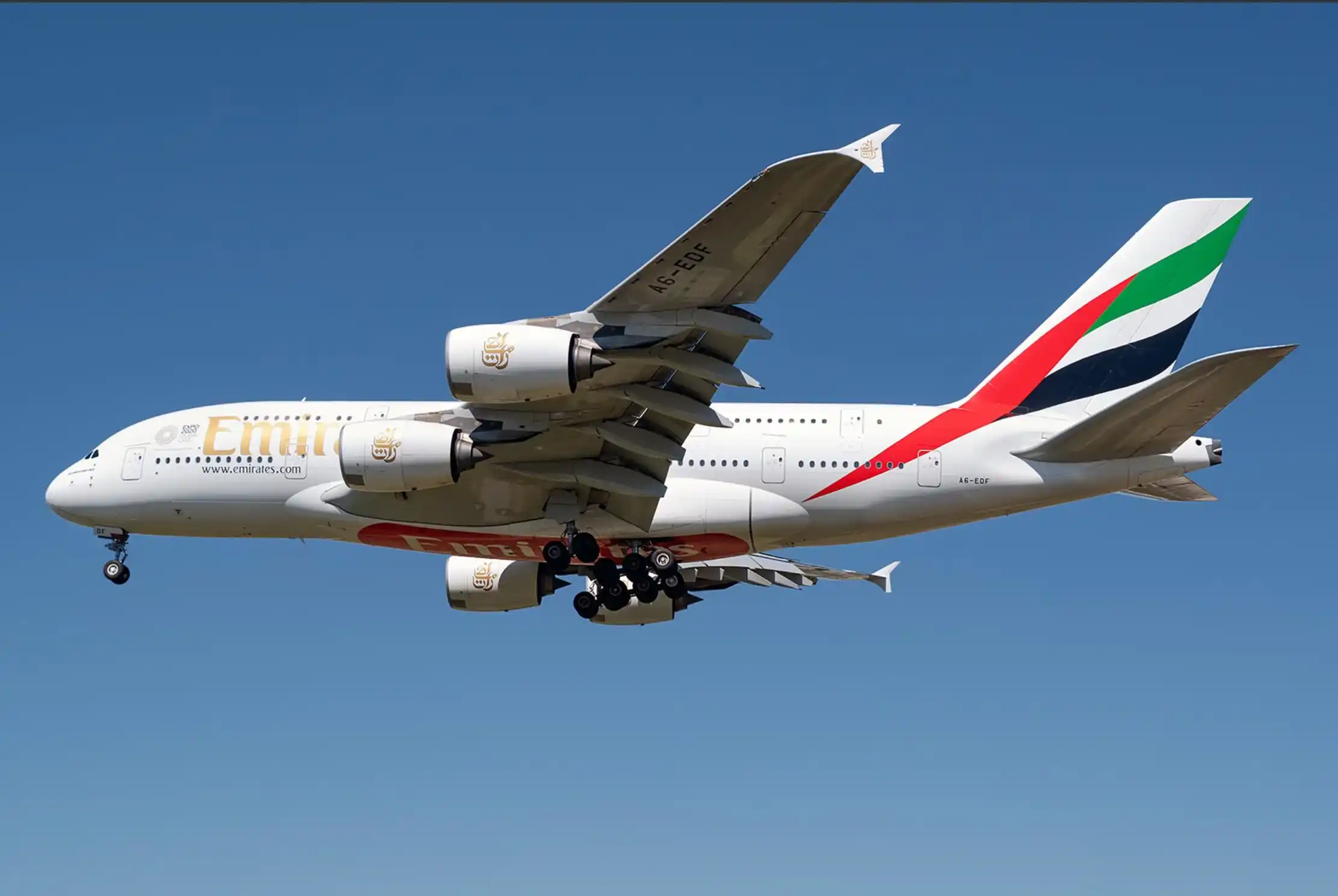
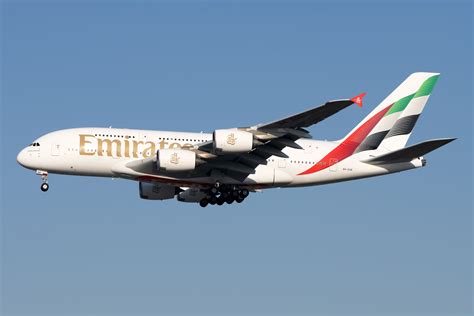
The Airbus A380, once hailed as the future of long-haul air travel, is marking a historic milestone in February 2026: the 20th anniversary of its oldest active aircraft, registered A6-EDF. Operated by Emirates, this aircraft has withstood the test of time and shifting aviation trends, becoming a symbol of endurance and engineering prowess.
The Birth of a Giant: Airbus A380’s Vision for the Skies
In the early 2000s, Airbus embarked on an ambitious mission to challenge the long-standing dominance of the Boeing 747. The result was the A380, a double-decker, four-engine widebody aircraft tailored for high-capacity, long-haul operations between major global hubs. It was a direct response to increasing passenger demand, airport slot constraints, and congested airspace—particularly across transcontinental and intercontinental routes.
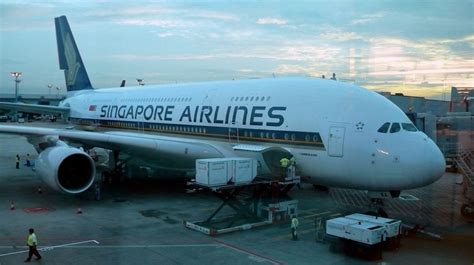
The A380 made its commercial debut in 2007 with Singapore Airlines, offering an unprecedented level of comfort, space, and operational capacity. In its heyday, it attracted premier airlines such as Qantas, Emirates, Lufthansa, British Airways, and Air France, who integrated it into flagship routes across Europe, Asia, and the Americas.
From Testbed to Revenue Workhorse: A6-EDF’s Unique Journey
The aircraft in the spotlight, A6-EDF, was assembled in 2006 and first took to the skies as part of Airbus’ internal certification and validation program. For nearly three years, it bore the manufacturer’s livery, participating in countless test flights that were pivotal in proving the aircraft’s structural reliability, flight capabilities, and onboard systems.
It was only in December 2009 that A6-EDF was officially handed over to Emirates, the airline that would go on to become the A380’s largest customer. Initially expected to face early retirement along with several of its siblings, A6-EDF defied expectations.
As of September 30, 2025, it had clocked 43,604 flight hours and 7,174 flight cycles, averaging over 2,200 hours and 366 cycles per year—a remarkable record in commercial aviation.
Return from Storage: A Post-Pandemic Reawakening
Like many widebodies during the COVID-19 pandemic, A6-EDF faced a period of grounding and storage, first at Dubai Al Maktoum International Airport and later at Dubai International Airport. For aviation observers, it seemed the aircraft’s fate had been sealed.
But on April 3, Emirates brought A6-EDF back to life, deploying it from Dubai to Cairo. Since then, it has seamlessly returned to regular long-haul duties, including high-demand routes to London, Paris, Zurich, Seoul, and Casablanca.
Inside a Flying Legend: Emirates’ 20-Year-Old A380 Cabin Layout
Despite its age, A6-EDF boasts a robust and elegant three-class configuration, featuring 517 seats without a premium economy section.
Main Deck: Economy Class
The entire main deck houses the economy class with 427 Safran seats arranged in a 3-4-3 layout. Each seat offers:
- 32-inch pitch, 17.9-inch width, and 4-inch recline
- Four-way adjustable headrest
- Bi-fold tray table
- 13.3-inch touchscreen in-flight entertainment (IFE)
Upper Deck: Business and First Class
The upper deck provides a far more luxurious experience:
- 14 First Class suites in a 1-2-1 layout with sliding doors, 27-inch screens, private storage, and 86-inch pitch
- 76 Business Class seats, based on Safran’s SkyLounge platform, converting into fully flat beds up to 79 inches, each equipped with 18-inch IFE screens
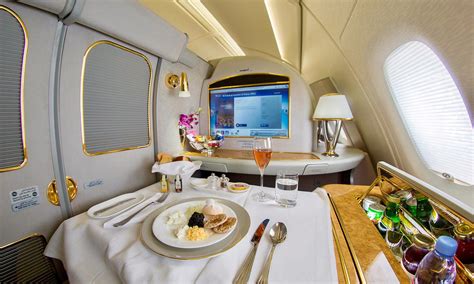
This cabin remains a showcase of Emirates’ commitment to excellence, offering one of the most premium experiences in the sky even on a 20-year-old aircraft.
Where Are the Other Early A380s Today?
A6-EDF’s continued service is especially notable when compared to its peers. The earliest A380s, particularly those from Airbus’ test fleet and Singapore Airlines’ initial deliveries, have all met varied fates:
- MSN 001 (F-WWOW): The first A380 prototype is preserved by Airbus and stored at Tarbes–Lourdes–Pyrénées Airport.
- MSN 002 (F-WXXL): Now on display at the Aeroscopia Museum in Toulouse.
- MSN 003 (9V-SKA): First to enter airline service with Singapore Airlines but was later retired and scrapped.
- MSN 004 (F-WWDD): Donated to the Musée de l’Air et de l’Espace in Paris–Le Bourget.
- MSN 006 (9H-MIP): Delivered to Singapore Airlines, later operated by Hi Fly Malta, currently parked at Dresden Airport.
These retirements underscore the significance of A6-EDF’s longevity. While its contemporaries are museum pieces or have been dismantled for parts, this aircraft continues to generate revenue and serve thousands of passengers every month.
A Legacy That Defies Trends
The A380’s production officially ceased in 2019 after Emirates cut a large portion of its remaining orders, signaling a broader industry pivot toward more fuel-efficient twin-engine widebodies like the Airbus A350 and Boeing 787. However, passenger demand post-pandemic has resurrected interest in high-capacity aircraft, and Emirates continues to fly more than 80 A380s.
A6-EDF, in particular, has emerged as a symbol of resilience, a living chapter in the A380’s storied history. Its active status not only showcases Airbus’ engineering excellence but also underscores Emirates’ commitment to leveraging the full lifecycle of its fleet assets.
Looking Ahead: Will the A380’s Story Continue?
Although production has ended, the A380 is far from obsolete. Emirates is actively refurbishing its A380 cabins, extending the lifespan of aircraft like A6-EDF well into the 2030s. For aviation enthusiasts and travelers alike, this ensures that the grandeur of the world’s largest passenger plane remains accessible.
As February 2026 approaches, we reflect not just on the 20th anniversary of a remarkable machine, but on the ambition, innovation, and global collaboration that gave birth to the A380 era. A6-EDF stands as a flying monument—a tribute to the enduring power of vision in aviation.