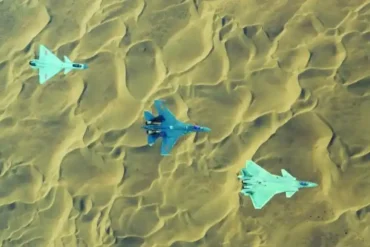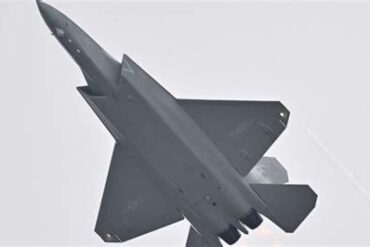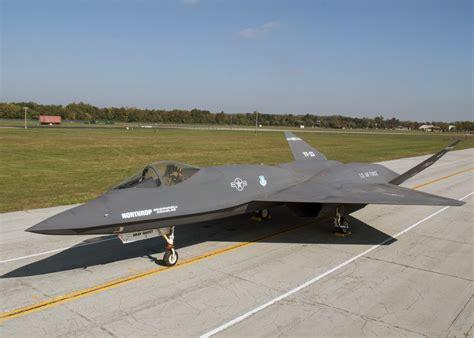
The YF-23 Black Widow II remains one of the most enigmatic and advanced fighter aircraft ever developed that never entered mass production. Conceived in the heat of the Cold War and shaped by the cutting edge of 1980s and 1990s aerospace innovation, the YF-23 competed directly with the YF-22 in the U.S. Air Force’s Advanced Tactical Fighter (ATF) program. While the YF-22 eventually became the famed F-22 Raptor, the YF-23 was widely acknowledged by engineers and analysts as the stealthier and faster aircraft—an extraordinary example of how technical excellence doesn’t always translate into strategic victory.
Development Origins and Competitive Landscape
The ATF program was initiated in the late 1970s by the United States Air Force in response to anticipated Soviet advancements. The goal: create a next-generation fighter that would replace the F-15 Eagle, with a focus on stealth, supercruise, high maneuverability, and maintainability. Two industrial titans stepped into the fray—Northrop Corporation, teaming up with McDonnell Douglas, developed the YF-23; meanwhile, Lockheed, with Boeing and General Dynamics, developed the YF-22.
Flight Prototypes and Engine Configurations
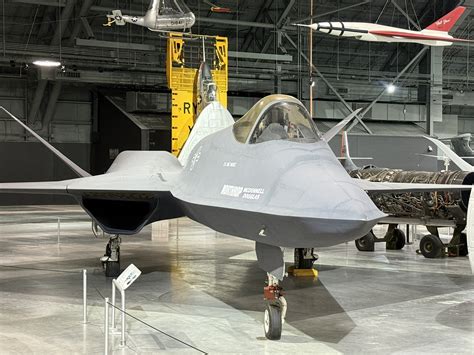
The YF-23 program produced two prototype aircraft, each tailored to test different engine options:
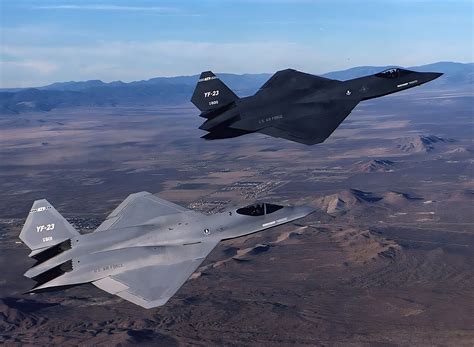
- PAV-1 (Prototype Air Vehicle 1): Flew on August 27, 1990, equipped with the Pratt & Whitney YF119 engine.
- PAV-2: First flight in October 1990, powered by the General Electric YF120 engine, reaching 1.6 Mach in supercruise tests.
Together, the aircraft accumulated 50 sorties and 65 flight hours, but notably did not engage in weapon firing or high-angle-of-attack maneuvering tests, putting it at a comparative disadvantage during the selection process.
Design Architecture and Stealth Innovations
The YF-23’s radical design emphasized low observability across radar, infrared, and visual spectrums. Its configuration diverged from traditional fighter aircraft in multiple dimensions:
Diamond-Shaped Wing-Body Integration
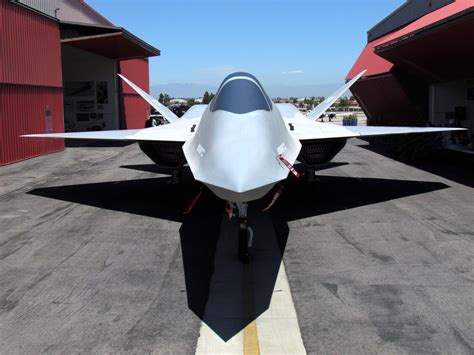
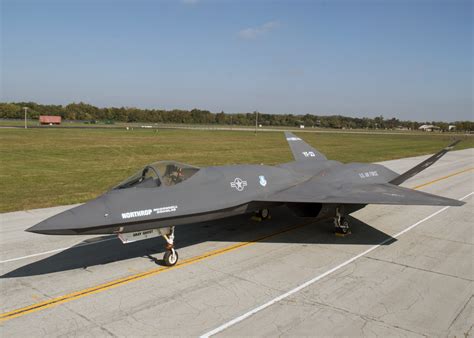
The aircraft featured a distinctive diamond planform with 40° rearward-swept leading edges and forward-swept trailing edges, significantly reducing radar cross-section (RCS). Inspired by the B-2 Spirit’s radar signature management, it used a four-lobed X-pattern to minimize radar returns.
V-Tail Configuration
Instead of conventional vertical stabilizers, the YF-23 used outward-canted V-tails at 50° angles, which provided yaw and pitch control while further reducing side-profile RCS. However, this came at a cost: a reduction in aerodynamic efficiency and maneuverability compared to traditional control surfaces.
Engine Intake and Exhaust Innovations
To suppress radar and heat signatures:
- The S-duct air intakes concealed turbine faces from radar.
- The serrated, trough-style exhaust nozzles spread infrared emissions over a broader surface, reducing heat signature but eliminating the ability to use thrust vectoring, which affected close-range dogfight capabilities.

Advanced Flight Control Systems
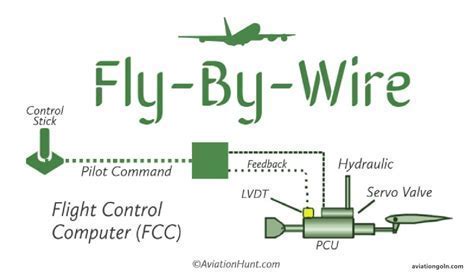
The aircraft relied heavily on a fly-by-wire system, necessary for its tailless aerodynamic design. A unified elevon control surface performed lift, roll, and speed brake functions—this multifunction control scheme simplified physical structures but placed immense demands on the flight computer.
During test flights, the YF-23 demonstrated stable flight at a 25° angle of attack, though it never validated post-stall maneuverability, unlike the YF-22.
Comparative Performance and Program Outcome
Despite its stunning engineering, the YF-23 ultimately lost the ATF competition. A comparative analysis highlights the key performance indicators:
YF-23 vs YF-22: Performance Overview
| Parameter | YF-23 Black Widow II | YF-22 (F-22 Raptor) |
|---|---|---|
| Radar Cross Section | Lower; exact figures classified | RCS between 0.0001–0.0006 m² |
| Supercruise Speed | Mach 1.6 (GE YF120 engine) | Mach 1.58 |
| High-AOA Maneuvering | Not validated | 60° angle of attack, thrust vectoring |
| Weapon Test | Not performed | Successfully launched weapons |
| Technological Risk | High; new systems and configuration | Lower; based on F-15/F-18 legacy systems |
| Production Readiness | Lower; fewer shared components | Higher; existing logistics infrastructure |
Why the YF-23 Lost
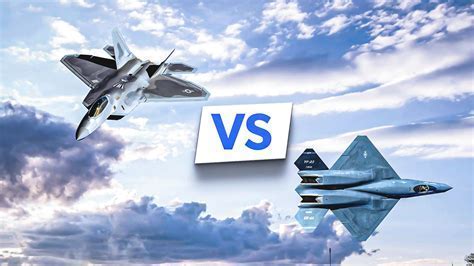
Despite its technical superiority in stealth and speed, the YF-23 lost due to a complex mix of strategic, political, and operational factors:
- Political Trust Deficit: Northrop was under scrutiny after cost overruns on the B-2 Spirit, while Lockheed had earned military confidence with the F-117 Nighthawk.
- Operational Preference: The Air Force favored dogfight capability, where the YF-22’s thrust vectoring and maneuverability gave it a clear edge.
- Inter-Service Considerations: The U.S. Navy, involved in future considerations, preferred the YF-22’s adaptable wing design, which could potentially support carrier operations.
- Program Maturity: The YF-22 presented lower developmental risks, leveraging known systems and airframes.
Post-Competition Legacy and Influence
Though it never saw active service, the YF-23 Black Widow II’s legacy endures, both in museum halls and as a precursor to future stealth platforms.
Preserved Prototypes
- PAV-1 is displayed at the National Museum of the United States Air Force in Dayton, Ohio.
- PAV-2 resides at the Western Museum of Flight in Torrance, California.
Technological Derivatives
Elements of the YF-23 reemerged in later platforms:
- In 2004, Northrop proposed adapting the YF-23 into a regional bomber, but the concept was shelved.
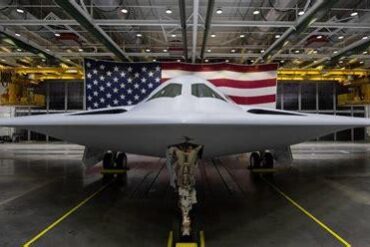
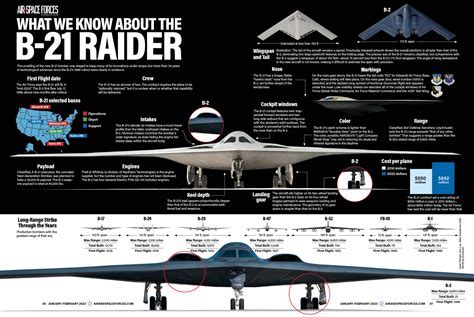
- Its stealth shaping and propulsion layouts inspired portions of the B-21 Raider, unveiled in the 2020s.
- Concepts from the YF-23 informed early thinking behind 6th-generation fighters, especially with a focus on passive sensors, deep strike capability, and multi-spectral stealth.
Lessons for the Future
The story of the YF-23 is a case study in the balance between cutting-edge innovation and programmatic pragmatism. It reinforced the lesson that user priorities, not just technical excellence, determine a program’s fate. In an era of evolving threats, the speed, stealth, and minimal observability pioneered by the YF-23 may well define the next generation of air dominance.
Conclusion: A Vision Too Far Ahead of Its Time
The YF-23 Black Widow II was not merely a prototype; it was a revolutionary concept decades ahead of its time. Its elegant lines, faceted stealth shaping, and blazing supercruise capability offered a glimpse into a future the Pentagon wasn’t ready for in the early 1990s. Today, as the world moves toward the sixth-generation fighter era, many design tenets pioneered by the YF-23—ultra-low observability, long-range strike, and infrared suppression—are re-emerging as standard requirements.
In hindsight, the YF-23 was not a failure; it was a strategic detour. A plane not forgotten, but quietly studied. Its shadow still flies in the design rooms of tomorrow’s air superiority platforms.
FAQ
What made the YF-23 stealthier than the YF-22?
The YF-23 featured a diamond-shaped wing, V-tail design, and serrated exhaust troughs, which together minimized radar and infrared signatures more effectively than the YF-22’s traditional layout. The S-duct air intake design further concealed engine fan blades, a major source of radar returns.
Why didn’t the YF-23 go into production despite superior stealth and speed?
Though technically advanced, the YF-23 lacked validated maneuverability and weapons testing. The U.S. Air Force prioritized agility and proven design maturity, and political factors favored Lockheed. Additionally, the YF-23 posed a higher development risk due to its novel systems.
Are there modern aircraft influenced by the YF-23?
Yes, design elements from the YF-23 have appeared in modern platforms such as the B-21 Raider and are believed to influence concepts for sixth-generation fighters, especially in stealth shaping and propulsion configuration.