The United States Air Force (USAF) is preparing for one of the most ambitious propulsion modernization efforts in modern military aviation. Through a program known as the Advanced Propulsion Acquisition Contract (APAC), the service may invest up to $16 billion in cutting-edge engine technologies designed to power the next generation of aircraft. The initiative reflects a strategic shift toward faster, more efficient, and more adaptable propulsion systems capable of supporting emerging combat concepts and future air dominance strategies.
This massive investment signals more than a routine upgrade. The APAC initiative represents a flexible procurement framework intended to accelerate research, development, and deployment of revolutionary propulsion systems. In an era where aerial superiority increasingly depends on speed, efficiency, and operational range, engine innovation has become a decisive advantage.
Unlike traditional single-award defense contracts, APAC will function as an indefinite delivery, indefinite quantity (IDIQ) contract vehicle. This structure allows the Air Force to select multiple industry partners and assign work through competitive task orders as specific projects arise. By maintaining a pool of qualified contractors, the USAF expects to cultivate a highly competitive environment that drives rapid innovation across propulsion design, engineering, testing, and lifecycle sustainment.
Advanced Propulsion Acquisition Contract: A New Model for Military Engine Development
The Advanced Propulsion Acquisition Contract marks a deliberate shift toward faster technology development cycles. Rather than committing all funding upfront, the Air Force will distribute project funding incrementally through task orders as resources become available. These funds could originate from future defense budgets, joint government initiatives, or cross-agency collaborations.
Companies interested in participating must submit proposals before April 13, with another opportunity expected roughly two years later if the initial round closes. Once selected, contractors will compete for individual assignments covering a wide spectrum of propulsion work, including experimental engines, efficiency upgrades, and sustainment technologies.
This flexible structure offers two critical advantages:
- Rapid deployment of new propulsion technologies
- Continuous competition among aerospace contractors
For the aerospace industry, APAC represents a significant opportunity. Engine manufacturers, aerospace engineering firms, and advanced materials developers may all contribute to next-generation propulsion breakthroughs.
Linking Engine Innovation to Future Air Combat Systems
Although the Air Force has not specified which aircraft platforms will directly benefit from APAC, the program is widely expected to support several major modernization initiatives already underway.
One prominent candidate is the Collaborative Combat Aircraft (CCA) program, which aims to deploy autonomous drones capable of flying alongside piloted fighter jets. These unmanned aircraft require propulsion systems that combine high efficiency, long endurance, and reduced maintenance demands. Advanced engines developed through APAC could help meet those requirements.
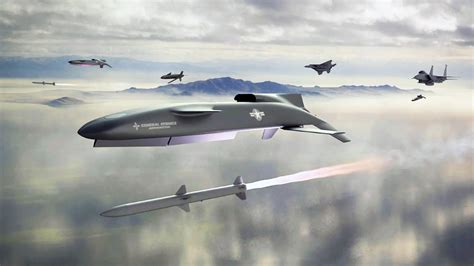
Additionally, propulsion breakthroughs may contribute to future variants of Next Generation Air Dominance (NGAD) systems. These aircraft are expected to operate in highly contested environments, where enhanced speed, range, and adaptability are essential for mission success.
Improved propulsion technology could also extend the operational lifespan of existing aircraft. Many fighters currently in service may receive engine upgrades, efficiency improvements, or advanced sustainment technologies, ensuring they remain effective while newer platforms are developed.
Building on the Next Generation Adaptive Propulsion Program
The APAC initiative builds on momentum from the Next Generation Adaptive Propulsion (NGAP) program, which awarded approximately $7 billion in contracts in 2025. NGAP focuses on adaptive-cycle engines capable of adjusting airflow patterns to optimize performance for different mission profiles.
Adaptive engines represent one of the most promising advances in military aviation propulsion. By dynamically balancing fuel efficiency, thrust output, and thermal management, these systems can dramatically improve aircraft range and survivability.
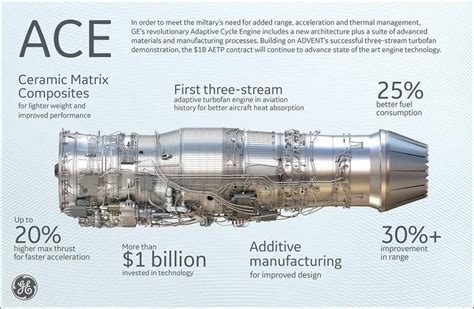
If APAC reaches its full $16 billion ceiling, it would more than double the investment made in NGAP, highlighting how central propulsion technology has become to the Air Force’s modernization strategy.
Why Advanced Engines Matter for Air Superiority
Air dominance has always depended heavily on propulsion. Faster climb rates, longer operational range, and higher thrust-to-weight ratios allow aircraft to outmaneuver opponents and maintain tactical advantages during combat missions.
Emerging threats from near-peer competitors have intensified the race for superior engine technology. Future propulsion systems must support hypersonic experimentation, advanced stealth aircraft, and autonomous combat platforms.
The APAC framework ensures that the Air Force can continuously integrate new ideas from across the aerospace industry. By encouraging multiple contractors to compete and collaborate simultaneously, the program may unlock technological advances that traditional procurement models would struggle to produce.
Ultimately, the $16 billion propulsion investment is about maintaining a decisive edge in the skies. As future aircraft become faster, smarter, and more autonomous, the engines powering them will determine how effectively they dominate the battlefield.
FAQs
Why is the U.S. Air Force investing in advanced engine technology?
The Air Force aims to improve speed, range, efficiency, and adaptability in future aircraft, ensuring continued air superiority against evolving global threats.
What is the Advanced Propulsion Acquisition Contract (APAC)?
APAC is an indefinite delivery, indefinite quantity contract framework allowing the Air Force to award propulsion research and development projects to multiple aerospace companies over time.
Which aircraft programs might benefit from APAC?
Potential beneficiaries include the Collaborative Combat Aircraft (CCA) program, Next Generation Air Dominance (NGAD) systems, and upgrades for existing fighter fleets.