Global aviation in 2026 is being shaped by a single, undeniable force: relentless passenger demand. Airlines are no longer simply expanding routes—they are maximizing every available seat on every flight. As international travel rebounds and airport slots remain limited, the industry is leaning heavily on high-capacity widebody aircraft to move more people efficiently across continents.
Recent data highlights a compelling trend: passenger traffic continues to outpace capacity growth. Aircraft are flying fuller, routes are becoming denser, and airlines are increasingly prioritizing jets that can carry the highest number of passengers without compromising efficiency. This shift has elevated a select group of aircraft into a league of their own—machines engineered not just for distance, but for sheer volume.
These aircraft are more than just transportation tools. They are strategic assets, enabling airlines to dominate high-demand routes, reduce per-seat costs, and maintain competitive advantage in a crowded global market. From twin-engine efficiency to iconic four-engine giants, the following six aircraft represent the pinnacle of passenger capacity in modern commercial aviation.
Airbus A330-900neo: Efficient Capacity Meets Modern Engineering
The Airbus A330-900neo stands as a testament to how incremental innovation can deliver massive operational value. While it may rank sixth in sheer capacity, its importance lies in its balance between passenger volume and cost efficiency.
Capable of carrying up to 460 passengers, the A330-900neo typically operates with around 260 to 310 seats in a standard three-class layout. This flexibility allows airlines to tailor configurations based on route demand, making it one of the most versatile widebodies in service today. Its range of approximately 7,200 nautical miles enables it to connect distant city pairs without sacrificing payload.
What makes this aircraft particularly attractive is its 95% commonality with the previous A330 generation. Airlines can upgrade fleets without investing heavily in retraining crews or reworking maintenance infrastructure. Combined with advanced aerodynamics and new-generation engines, the A330neo delivers improved fuel efficiency while maintaining a higher seating capacity than many of its direct competitors.
It thrives in a niche where demand is strong but not quite enough to justify larger aircraft, offering airlines a low-risk, high-reward solution for long-haul expansion.
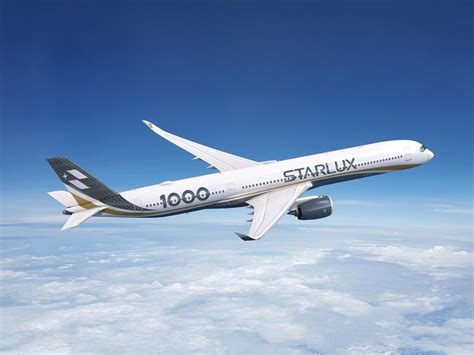
Airbus A350-1000: Premium Space at High Capacity
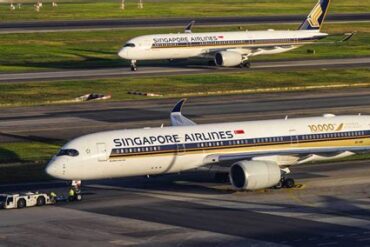
The Airbus A350-1000 elevates passenger experience while quietly pushing the boundaries of capacity. As the largest variant in the A350 family, it stretches the fuselage to accommodate up to 480 passengers in high-density configurations, while maintaining a comfortable 375 to 400 seats in typical layouts.
This aircraft is engineered for ultra-long-haul performance, combining advanced composite materials with powerful Rolls-Royce engines. The result is a jet capable of flying some of the longest commercial routes in the world while maintaining exceptional fuel efficiency.
Inside, the cabin reflects a deliberate focus on passenger well-being. Wider seats, higher humidity levels, and improved air pressure reduce fatigue during long journeys. The design philosophy goes beyond capacity—it’s about maximizing comfort without sacrificing volume.
Airlines deploy the A350-1000 on routes where demand is strong but requires a balance between luxury and scale. It effectively replaces older, less efficient aircraft, delivering similar reach with significantly lower operating costs. This makes it a strategic successor to earlier generation giants, particularly on premium-heavy international routes.
Boeing 747-8 Intercontinental: The Final Evolution of a Legend
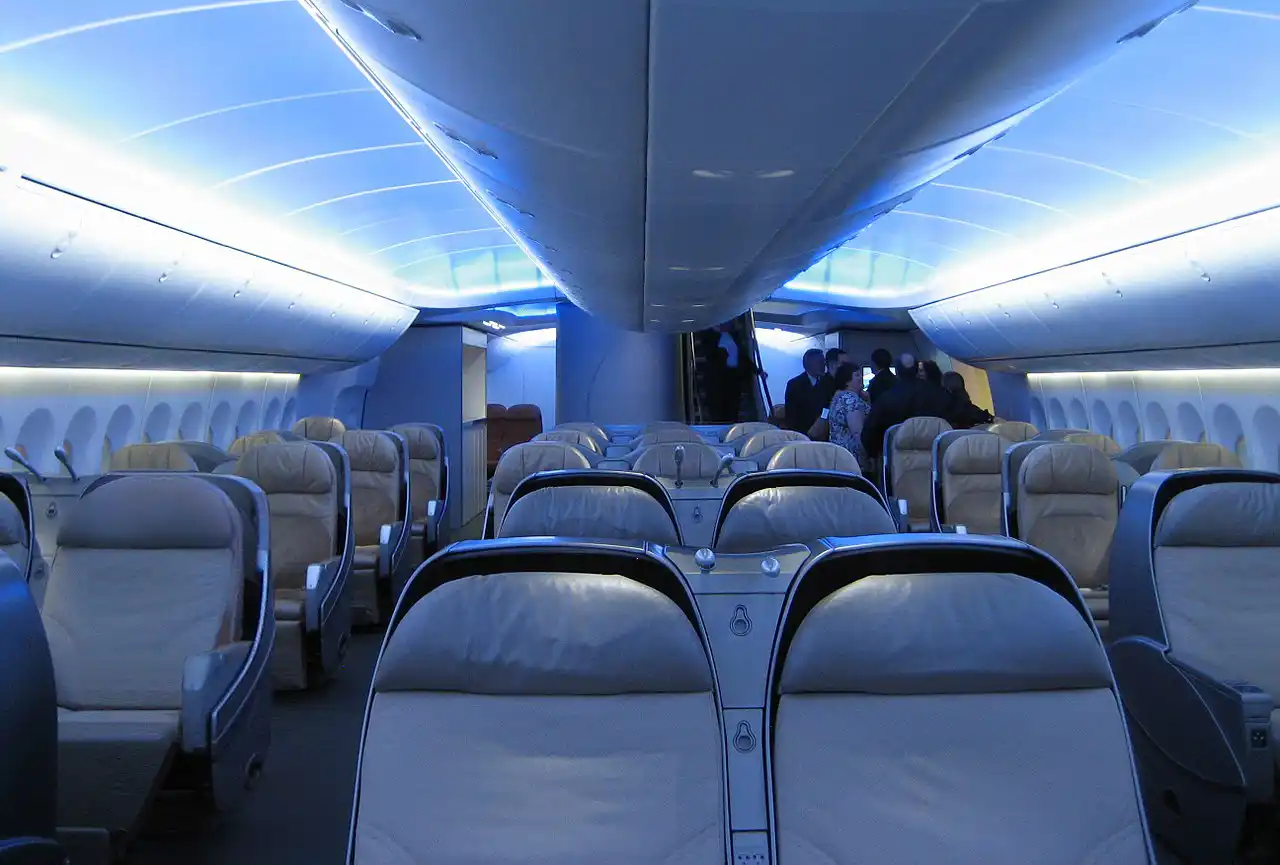
Few aircraft carry the legacy of the Boeing 747-8 Intercontinental. As the longest commercial airliner ever built, it represents the final chapter of an aviation icon that transformed global travel.
With a maximum capacity of 605 passengers, the 747-8 pushes the limits of what a four-engine aircraft can achieve. Its stretched fuselage adds significant seating and cargo capability, while modernized wings and engines improve efficiency compared to earlier variants.
Despite these advancements, the aircraft remains a rare sight. Only a limited number were produced, making it one of the most exclusive high-capacity jets in operation. Yet its presence is unmistakable—its distinctive hump and massive frame symbolize an era when aviation boldly pursued size and scale.
The 747-8 is not just about numbers; it represents a philosophy where capacity, prestige, and engineering ambition intersect. Even as twin-engine aircraft dominate the future, this jet continues to command attention on the routes it serves.
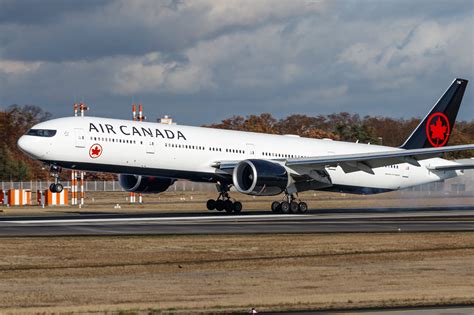
Boeing 777-300ER: The Workhorse of High-Density Long Haul
If there is one aircraft that perfectly balances capacity, range, and reliability, it is the Boeing 777-300ER. This aircraft has become a cornerstone of long-haul operations, trusted by airlines worldwide to move large volumes of passengers efficiently.
In high-density configurations, it can carry up to 550 passengers, though most airlines opt for layouts accommodating 350 to 400 travelers. Its extended fuselage provides the space needed for high capacity, while its powerful engines deliver the thrust required for intercontinental travel.
The 777-300ER’s true strength lies in its operational flexibility. It can serve both high-demand trunk routes and long-distance connections with equal effectiveness. Its range of over 7,000 nautical miles ensures it remains relevant even as newer models enter the market.
What sets this aircraft apart is its consistency. Airlines rely on it not just for its capacity, but for its proven performance and economic efficiency. It has quietly become one of the most important aircraft in modern aviation, bridging the gap between older jumbo jets and next-generation designs.
Boeing 747-400: The Queen of the Skies Redefined Capacity
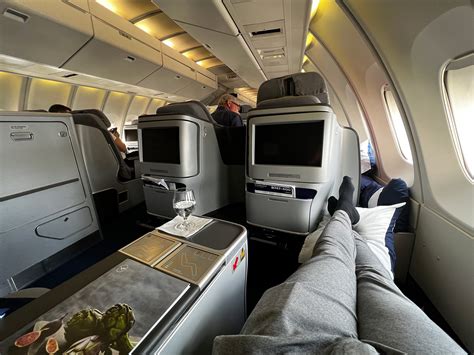
The Boeing 747-400 is more than an aircraft—it is a cultural icon. Known as the “Queen of the Skies,” it redefined what was possible in commercial aviation by introducing unprecedented passenger capacity on a global scale.
At its peak configuration, the 747-400 can carry up to 660 passengers, a figure that still commands respect decades after its introduction. Even in standard layouts, it accommodates over 400 travelers with ease, making it a powerful tool for airlines operating high-density routes.
Its innovations extended beyond capacity. The introduction of a two-pilot glass cockpit reduced crew requirements, while aerodynamic improvements enhanced fuel efficiency. These advancements allowed airlines to operate large aircraft more economically, paving the way for modern long-haul travel.
The 747-400’s impact is profound. It made international travel more accessible by lowering costs per seat, effectively democratizing long-distance air travel. Even as newer aircraft replace it, its legacy continues to influence how airlines approach capacity and network planning.
Airbus A380-800: The Undisputed Giant of Passenger Aviation
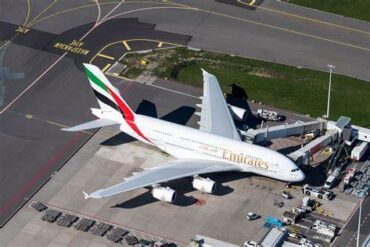
At the top of the list stands the Airbus A380-800, a marvel of engineering that remains unmatched in passenger capacity. With a certified maximum of 853 passengers, it is the largest commercial aircraft ever built—and likely to hold that title for years to come.
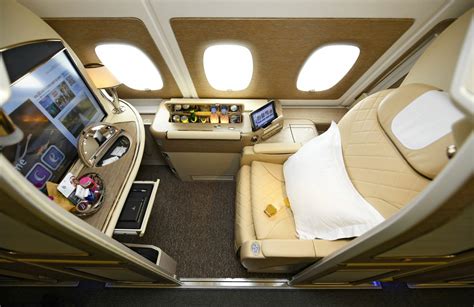
Its defining feature is its full-length double-deck design, offering an immense usable cabin area equivalent to roughly three tennis courts. This space allows airlines to create a variety of layouts, from ultra-dense economy seating to luxurious premium cabins complete with lounges and private suites.
In real-world operations, most airlines configure the A380 to carry between 489 and 555 passengers, prioritizing comfort alongside capacity. Yet even in these configurations, it surpasses nearly every other aircraft in both scale and passenger experience.
The A380 thrives on routes where demand is consistently high and airport slots are limited. Instead of increasing flight frequency, airlines can deploy this aircraft to move more passengers in a single journey, optimizing both efficiency and profitability.
Its presence at major international hubs is unmistakable. Boarding an A380 is not just a flight—it’s an experience defined by space, quietness, and stability. Despite shifts in industry trends, it remains a flagship aircraft for carriers that value both capacity and prestige.
The Future of High-Capacity Air Travel
As airlines navigate the complexities of modern aviation, the importance of high-capacity aircraft continues to grow. These jets are not merely about size—they are about strategic efficiency, enabling carriers to meet demand while controlling costs and maximizing revenue per flight.
The trend is clear: while ultra-large aircraft like the A380 represent the peak of capacity, newer twin-engine designs are redefining how that capacity is delivered. Efficiency, flexibility, and passenger comfort are becoming just as critical as the number of seats onboard.
Yet one thing remains certain. As global travel demand continues to rise, the skies will always have room for aircraft designed to carry more people, more efficiently, across greater distances. These six aircraft are not just leaders in capacity—they are symbols of aviation’s relentless pursuit of scale, innovation, and connectivity.