The aviation industry thrives on bold ambition, but even the most advanced aircraft can fall victim to shifting economics, evolving technology, and unpredictable market forces. While most commercial jets are engineered for decades of service, some of the most fascinating machines in aviation history exited the stage far too soon. Their stories are not failures of engineering alone, but reflections of how brutally fast the industry adapts.
What makes these aircraft compelling is not just their premature retirement, but the contrast between what they promised and what the market ultimately demanded. From supersonic icons to niche specialists, each tells a story of timing, economics, and the unforgiving nature of progress.
Dassault Mercure: A Brilliant Jet with Nowhere to Go
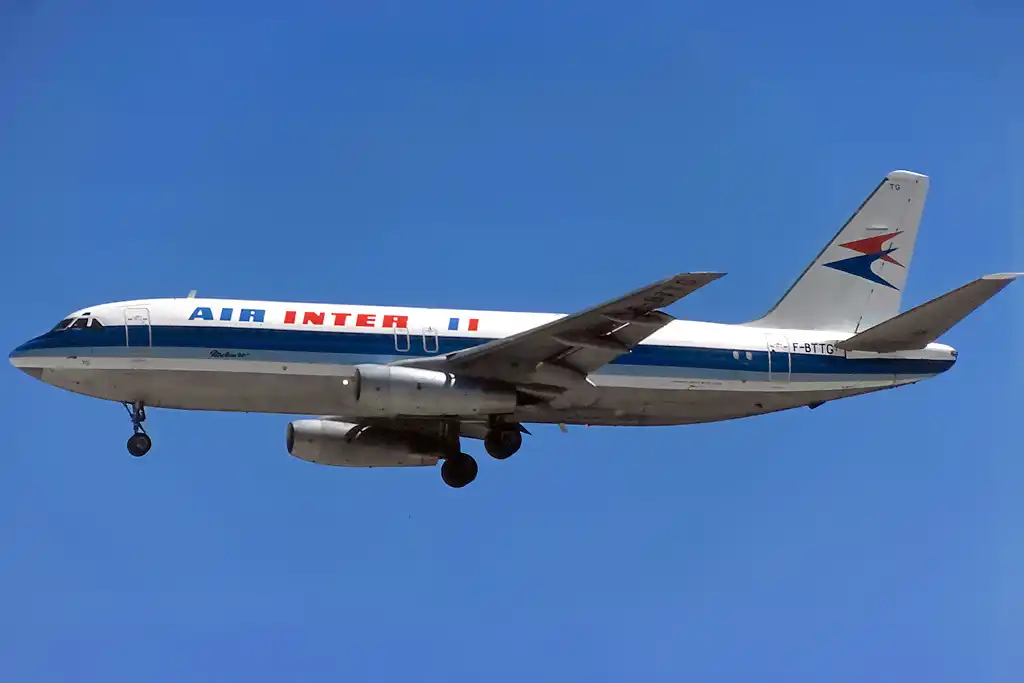
The Dassault Mercure was a paradox—technically advanced yet commercially doomed from the outset. Designed in the early 1970s by the same French manufacturer renowned for fighter jets, it carried over the DNA of military precision into civil aviation. Pilots praised its responsiveness, and its cockpit innovations, including an early heads-up display, placed it years ahead of competitors.
Yet brilliance alone could not compensate for its most crippling limitation: range. The aircraft was optimized for short-haul, high-density routes within Europe, but its inability to stretch beyond roughly 1,000 kilometers with a full payload made it inflexible. Airlines needed versatility, not specialization.
Air Inter became its only meaningful customer, and with just 12 units produced, the Mercure quickly became an orphaned program. As airlines gravitated toward adaptable aircraft like the Boeing 737, the Mercure faded quietly into history.
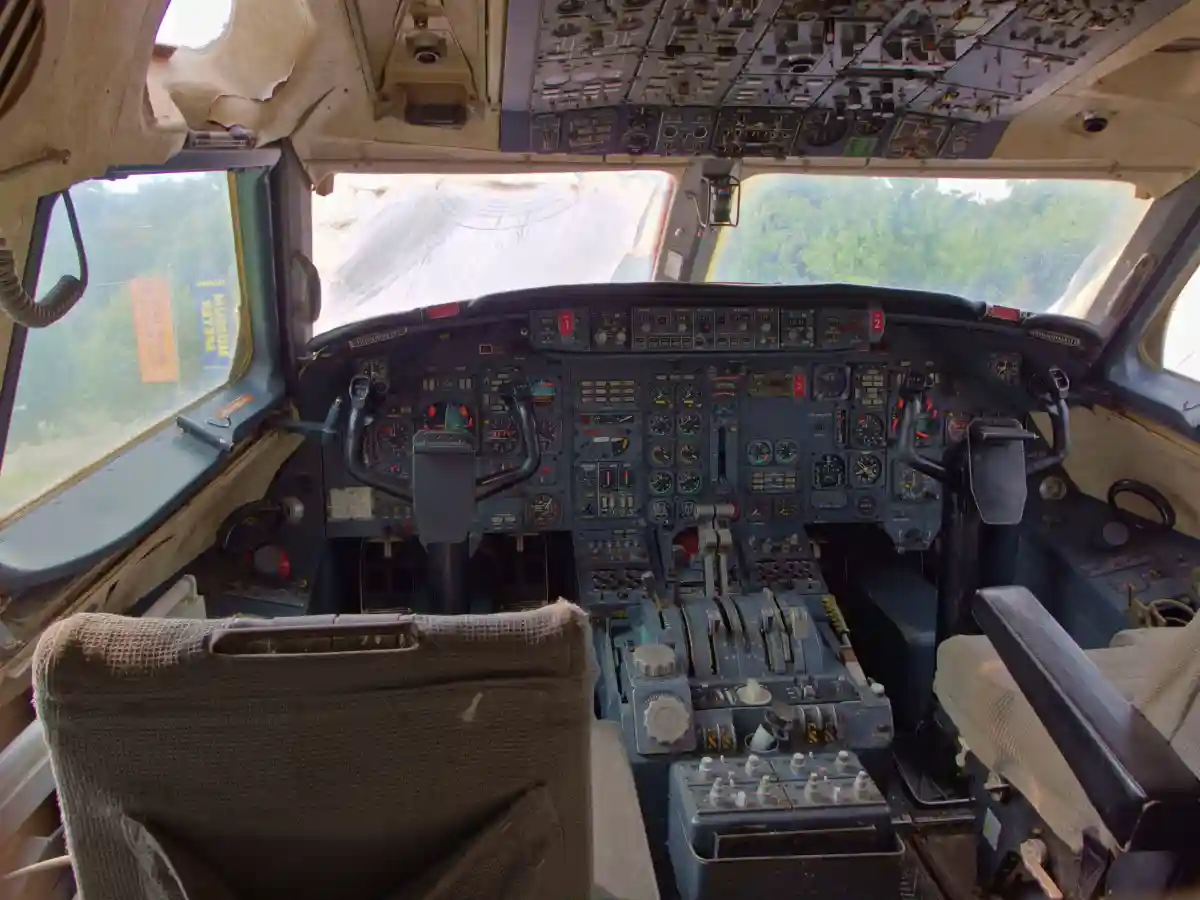
Its story underscores a harsh truth: an aircraft designed too narrowly, no matter how refined, risks irrelevance in a market that prizes flexibility above all.
McDonnell Douglas MD-90: The Quiet Performer That Lost Its Backer
The McDonnell Douglas MD-90 represented evolution rather than revolution. Built as an extension of the MD-80 lineage, it introduced quieter engines, improved fuel efficiency, and a more comfortable passenger experience. For airlines in Asia, particularly Japan Air System, it offered a compelling regional solution.
But aviation is as much about corporate strategy as engineering. When McDonnell Douglas merged with Boeing in 1997, the MD-90’s fate was effectively sealed. Boeing had no incentive to support a competing product alongside its 737 family.
The consequences were swift. Fleet standardization became the priority for airlines, and maintaining a small subfleet of MD-90s no longer made economic sense. Even Delta Air Lines, its largest operator, retired the type earlier than its structural lifespan demanded.
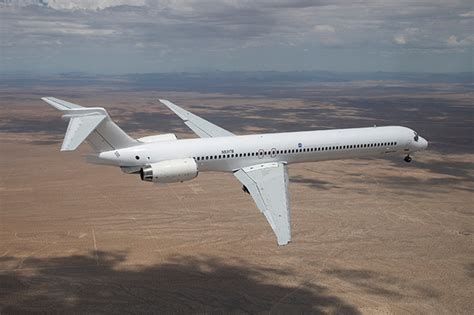
This was not a story of failure in the air, but abandonment on the ground—a capable aircraft sidelined by shifting corporate priorities.
Boeing 747SP: The Specialist That Became Obsolete Too Quickly
Few aircraft look as distinctive as the Boeing 747SP. Its shortened fuselage gave it a compact, almost muscular appearance, but that design served a critical purpose: ultra-long-range travel. At a time when non-stop transoceanic flights were rare, the SP pushed boundaries.
Airlines used it to open routes previously considered impossible, linking continents without interruption. However, its advantage proved fleeting. As engine technology improved, standard versions of the 747 gained similar range while carrying far more passengers.
The economics became impossible to ignore. The 747SP burned nearly as much fuel as its larger siblings but generated less revenue per flight. Airlines quickly transitioned to more efficient variants, leaving the SP without a clear role.
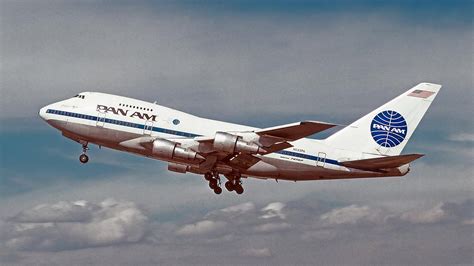
The aircraft didn’t fail—it was simply overtaken by progress within its own family.
Airbus A340-500: Engineering Excellence Undone by Fuel Costs
The Airbus A340-500 was built to conquer distance. At its peak, it enabled the longest commercial flights in the world, connecting cities like Singapore and New York non-stop. Configured for premium travelers, it symbolized endurance and exclusivity.
But its design relied on four engines—an advantage for safety in earlier decades, yet increasingly a liability as fuel prices surged. The arrival of twin-engine rivals like the Boeing 777-200LR changed the equation entirely.
Twinjets offered comparable range with dramatically lower fuel consumption and maintenance costs. Almost overnight, the A340-500 became economically unviable. Airlines began retiring the type while it was still relatively young, a rare and telling decision in aviation.
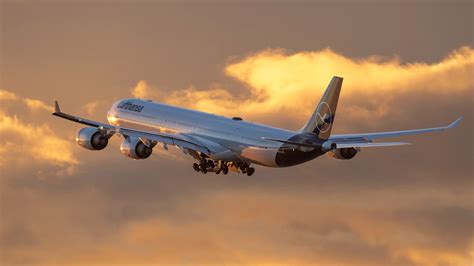
This aircraft illustrates how quickly efficiency can eclipse capability. Being the best at one thing is not enough when the cost of that excellence becomes unsustainable.
McDonnell Douglas MD-11: High Expectations, Short Passenger Life
The MD-11 entered the market with enormous expectations. As the successor to the DC-10, it promised improved aerodynamics, longer range, and a modernized cockpit that eliminated the need for a flight engineer.
However, reality diverged from projections. The aircraft struggled to meet its advertised fuel efficiency and range, particularly on long-haul routes. Airlines were forced to adapt operations, sometimes adding unexpected stops.
Even after performance improvements, the damage to its reputation lingered. Then came the Boeing 777—a twin-engine aircraft that delivered better efficiency, lower maintenance costs, and superior range.
Passenger airlines began retiring their MD-11 fleets after barely a decade of service. Ironically, the aircraft found a second life as a freighter, where its shortcomings mattered less.
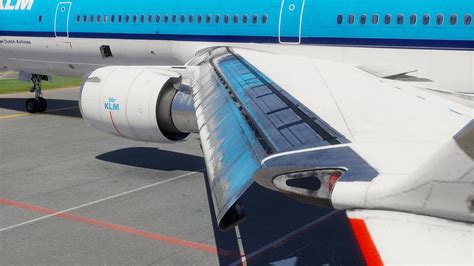
The MD-11’s story is not one of outright failure, but of falling just short in an industry where precision matters.
Concorde: The Supersonic Dream That Couldn’t Last
Concorde was more than an aircraft—it was a statement. Flying at twice the speed of sound, it transformed transatlantic travel into a matter of hours. Its sleek delta wing and drooping nose became symbols of technological daring.
Passengers paid a premium for speed, exclusivity, and prestige. For decades, Concorde operated as a niche success, defying conventional economics.
Then reality intervened. The tragic crash of Air France Flight 4590 in 2000 led to a temporary grounding, but the broader challenges were already mounting. Maintenance costs were escalating, spare parts were scarce, and demand declined sharply after 9/11.
In 2003, Concorde was retired—not because it could no longer fly, but because it no longer made financial sense.
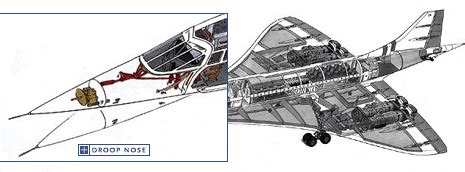
Its retirement marked the end of an era, leaving the world slower, but more economically grounded.
Vickers VC10: Beauty and Power in the Wrong Era
The Vickers VC10 stands as one of the most elegant airliners ever built. Designed for operations in challenging environments, it excelled on hot-and-high routes where other jets struggled. Its rear-mounted engines and T-tail gave it exceptional aerodynamic performance.
Pilots admired its handling, and passengers enjoyed its smooth ride. Yet these strengths came at a cost. The aircraft was expensive to operate, consuming more fuel than its American counterparts.
As airlines shifted toward efficiency and standardization, the VC10 became increasingly difficult to justify. Despite its capabilities, it was retired from commercial service far earlier than expected.
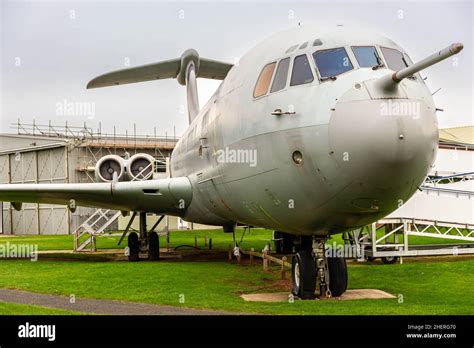
It remains a reminder that elegance and performance alone cannot guarantee longevity in a cost-driven industry.
Why Even Great Aircraft Fail Early
The stories of these aircraft reveal a consistent pattern: success in aviation is never determined by engineering alone. Timing, economics, and adaptability are just as critical.
Several common themes emerge:
- Fuel efficiency reshapes priorities, especially during periods of rising oil prices
- Fleet commonality reduces costs, pushing airlines toward standardized aircraft families
- Technological leaps can quickly obsolete specialists, even highly capable ones
- Corporate decisions can override engineering merit, as seen in mergers and strategy shifts
What binds these aircraft together is not failure, but misalignment with the evolving needs of the industry. Each was exceptional in its own way, yet ultimately outpaced by broader changes.
Their legacies endure not just in museums or cargo fleets, but in the lessons they leave behind. Aviation continues to evolve, and with it comes the understanding that even the most advanced machines must adapt—or risk an early exit from the skies.