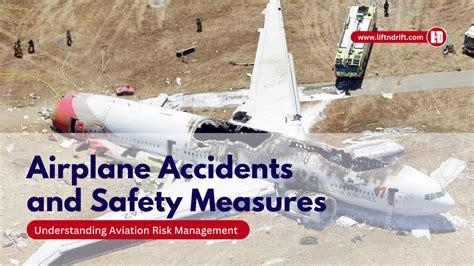
An accident refers to an event linked to the operation of an aircraft. For manned aircraft, this occurs from the moment anyone boards with the intent to fly until everyone has safely exited. In the case of unmanned aircraft, it happens from when the aircraft is ready to take off until it comes to a stop and the main propulsion system is turned off.
There are specific situations that define an accident. First, if a person suffers a fatal or serious injury, it must result from being in the aircraft, coming into contact with any part of it, or being exposed to jet blast. However, injuries caused by natural events, self-harm, or actions by others are excluded. Additionally, injuries to stowaways outside normal passenger areas are not counted.
Second, if the aircraft experiences damage or structural failure affecting its strength or performance, this is also classified as an accident. Such damage usually necessitates major repairs or replacements. Engine failures or issues limited to engine components, propellers, wing tips, antennas, tires, brakes, fairings, small dents, or punctures do not fall under this definition.
Lastly, an aircraft is considered missing if official search efforts have ended without locating the wreckage. It’s important to note that for statistical purposes, if someone dies within thirty days after an accident, it is recorded as a fatal injury. Also, only aircraft with approved designs or operations are included in investigations of unmanned aircraft systems. For more detailed guidance on determining aircraft damage, refer to Attachment E of ICAO Annex 13.