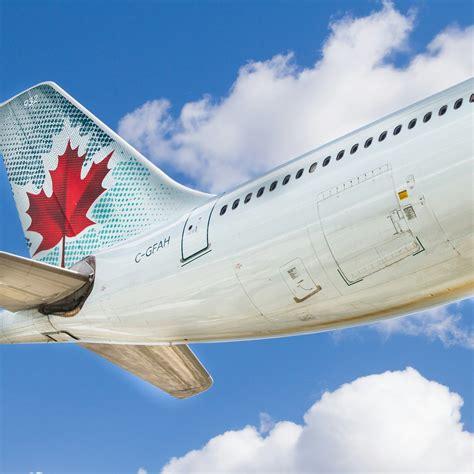
Air Canada’s latest network move looks dramatic on the surface: a complete suspension of flights to New York’s John F. Kennedy International Airport (JFK), widely recognized as the busiest international gateway in the United States. Yet beneath that headline lies a far more calculated shift—one that reveals how the airline is refining, not retreating, from one of North America’s most competitive aviation markets.
Rather than abandoning New York, Air Canada is rebalancing its presence across the region’s three major airports. The decision to cut JFK service from both Toronto Pearson and Montréal–Trudeau during the peak summer season is less about withdrawal and more about precision. It underscores a strategy shaped by profitability, connectivity, and the evolving patterns of transborder travel.
Why JFK Keeps Falling Out of Favor
Air Canada’s relationship with JFK has always been complicated. The airport has never quite fit neatly into the airline’s broader New York strategy, often serving as a supplementary piece rather than a central pillar.
When Air Canada first launched its Toronto–JFK route in 2012, the goal was clear: establish a presence at all three major New York airports. Yet even then, JFK felt more like a symbolic addition than a strategic necessity. By 2016, the airline had already pulled out, citing operational challenges such as inconvenient flight timings at one of the world’s most congested airports.

Its return in 2023, with routes from both Toronto and Montreal, seemed to signal renewed commitment. But the latest suspension—affecting four daily flights starting June 1—suggests that the same structural issues persist. High operating costs, slot constraints, and less-than-ideal scheduling windows continue to erode JFK’s appeal for short-haul transborder routes.
Fuel prices have added further pressure. With jet fuel costs surging amid geopolitical tensions, routes with thinner margins quickly become expendable. JFK, despite its prestige, has proven to be one of those routes.
The Data Tells a Different Story
The headline may suggest a major pullback, but the numbers reveal something far more nuanced. JFK has always been a relatively small piece of Air Canada’s New York operations. During the June-to-October period last year, it accounted for just 12% of the airline’s flights into the New York metro area.
Eliminating that slice entirely might sound drastic, but it barely dents the overall network. In fact, total flights to New York are set to increase slightly.
This is where the “twist” becomes clear: Air Canada is not shrinking its New York footprint—it is redistributing it with surgical precision.
Newark: The Power of Global Connectivity
If JFK is being sidelined, Newark Liberty International Airport (EWR) is stepping into a more prominent role. The reason is straightforward: connectivity.
Newark serves as a major hub for United Airlines, Air Canada’s key Star Alliance partner. This partnership unlocks a vast transatlantic network, giving passengers seamless access to dozens of European destinations.

For travelers departing from Canada, Newark offers something JFK cannot match—efficient onward connections. Whether heading to cities like Berlin, Bilbao, or Bari, passengers can transition smoothly through United’s extensive network.
Air Canada is capitalizing on this advantage. Flights to Newark are increasing by approximately 11%, reaching over 4,200 during the summer period. The airport becomes not just a destination, but a gateway—one that aligns perfectly with the airline’s long-haul ambitions.
LaGuardia: Doubling Down on Business Travel
While Newark expands Air Canada’s global reach, LaGuardia Airport (LGA) strengthens its grip on high-yield business traffic.
LaGuardia’s proximity to Manhattan makes it the preferred choice for corporate travelers. Time-sensitive passengers value convenience over everything else, and LGA delivers exactly that.
Air Canada is leaning heavily into this segment. Flights to LaGuardia are set to jump by 16%, exceeding 6,000 during the summer season. The airline is also introducing a new route from Billy Bishop Toronto City Airport (YTZ), a move that underscores its focus on premium, business-oriented travel.
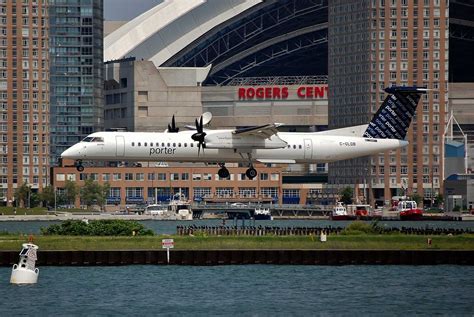
This route is particularly notable. Enabled by newly introduced U.S. preclearance facilities at Billy Bishop, it allows passengers to complete customs before departure—saving valuable time upon arrival. Operated by turboprop aircraft due to airport restrictions, the service is tailored specifically for short-haul efficiency.
The message is clear: Air Canada sees LaGuardia as its primary gateway for business travel between Canada and New York.
A Strategic Rebalance, Not a Retreat
Taken together, these shifts paint a compelling picture. Air Canada is not abandoning New York—it is redefining how it serves it.
JFK, despite its global stature, does not align well with the airline’s current priorities. Its operational constraints and limited connectivity advantages make it less attractive compared to Newark and LaGuardia.
By contrast, Newark offers scale and international reach, while LaGuardia delivers premium, high-frequency access to Manhattan. These are the strengths Air Canada is choosing to amplify.
The Broader Context: Changing Travel Patterns
This strategic pivot also reflects broader trends in transborder travel. Canadian demand for U.S. leisure destinations has shown signs of softening, influenced by economic factors and shifting consumer preferences.
At the same time, business travel between major financial hubs remains resilient. Routes connecting cities like Toronto, Montreal, and New York continue to generate strong demand, particularly among corporate travelers.
Air Canada’s network adjustments mirror this reality. By focusing on airports that best serve business and connecting traffic, the airline is positioning itself to capture the most stable and profitable segments of the market.
Aircraft, Efficiency, and Flexibility
Another layer of this strategy lies in fleet deployment. Air Canada is leveraging a mix of aircraft types to optimize its operations across New York airports.
From the fuel-efficient Airbus A220-300 to regional jets like the CRJ900 and Embraer 175, the airline is tailoring capacity to demand. Longer routes to Newark from cities like Vancouver and Calgary highlight the flexibility of these aircraft, enabling “long and thin” routes that would not be viable with larger planes.
Meanwhile, the Dash 8-400 turboprop plays a crucial role in the Billy Bishop–LaGuardia service, demonstrating how operational constraints can be turned into strategic advantages.
What This Means for Travelers
For passengers, the changes may initially seem disruptive—especially for those accustomed to flying into JFK. However, the overall impact is more positive than it appears.
Travelers will benefit from:
- Increased flight frequencies to LaGuardia and Newark
- Improved connectivity to international destinations via Newark
- Faster, more convenient access to Manhattan through LaGuardia
- Streamlined travel from Billy Bishop with U.S. preclearance
In many cases, these adjustments will result in shorter travel times and more efficient journeys.
A Calculated Move in a Competitive Market
Air Canada’s decision to suspend JFK flights is not a retreat—it is a recalibration rooted in data, economics, and long-term strategy.
By shifting capacity to airports that better align with its strengths, the airline is reinforcing its position in one of the world’s most competitive aviation markets. It is a move that prioritizes profitability without sacrificing presence, connectivity, or customer convenience.
In the ever-evolving landscape of international air travel, adaptability is everything. Air Canada’s latest maneuver shows that sometimes, stepping away from a high-profile airport can be the smartest way to move forward.