An eight-hour international journey from Liberia, Costa Rica, to Seattle-Tacoma International Airport was supposed to unfold in the quiet comfort of First Class. Instead, it became a flashpoint in the ongoing tension between airline labor contracts and passenger expectations. A traveler holding a confirmed, full-fare First Class ticket on Alaska Airlines was downgraded to economy at the gate—moments before boarding—so that a deadheading pilot could occupy the premium seat. The aircraft did not change. The First Class cabin did not shrink. The seat was simply reassigned.
The result was more than a change in legroom. It was a collision between two invisible systems: the operational machinery that keeps airlines functioning and the consumer belief that a paid premium ticket represents certainty. When those systems intersect abruptly, especially in front of a boarding gate full of passengers, the optics are powerful. In this case, they were bruising.
The episode has since ignited debate about transparency, fairness, and the practical meaning of a First Class confirmation in modern aviation. Airlines operate under strict contractual and regulatory frameworks, yet most passengers encounter those frameworks only when something goes wrong. For this traveler, the gap between expectation and reality became painfully visible.
The Gate-Side Downgrade That Changed The Flight
The passenger in question had not redeemed miles. This was not a complimentary upgrade nor a standby seat. The ticket was purchased as a confirmed First Class fare for a long-haul international segment approaching eight hours in duration. That distinction matters, because it frames the downgrade not as a reshuffling of perks but as a revocation of a product already bought and paid for.
According to details surrounding the incident, the downgrade occurred shortly before boarding. Timing amplified the disruption. At that stage of the travel process, rebooking onto another First Class flight—if one even existed—was unrealistic. Walking away meant forfeiting the trip entirely. Remaining meant accepting a seat in standard economy for nearly eight hours.
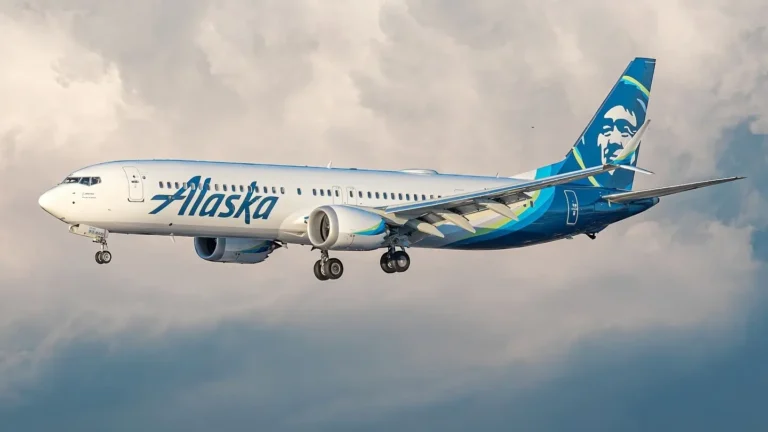
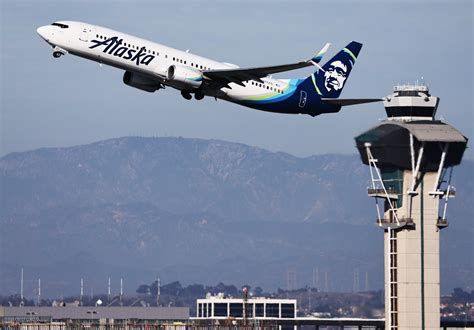
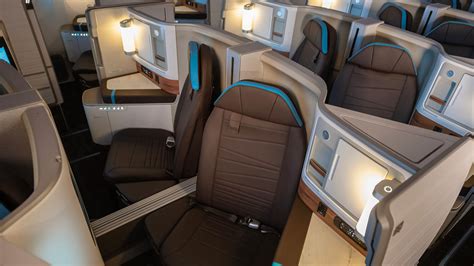
Crucially, this was not triggered by an aircraft swap or mechanical irregularity. The Boeing 737 operating the route retained its First Class configuration exactly as sold. The premium cabin was intact. The seat was required for an Alaska Airlines pilot traveling as a deadheading crew member. The reassignment was procedural, not reactive.
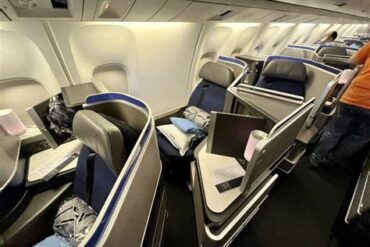
For a passenger expecting wider seats, increased pitch, enhanced meal service, priority treatment, and a quieter cabin, the shift to economy represented a dramatic downgrade in comfort and experience. On a short hop, inconvenience might be tolerable. On a transcontinental or international sector, the stakes are higher—physically and psychologically.
Understanding Deadheading: The Invisible Movement Of Crew
To unpack this event, it is necessary to understand the concept of deadheading. A deadheading pilot is a crew member traveling as a passenger to reposition for a future flight assignment. The pilot is not operating the aircraft on that segment, yet remains on duty status under federal aviation regulations and company policy.
Airlines depend on repositioning to function. Weather disruptions, crew shortages, maintenance delays, and schedule adjustments create a constantly shifting puzzle. Pilots must be in the correct city at the correct time to operate subsequent flights. Without repositioning, cancellations would multiply rapidly, stranding passengers across the network.
On longer segments, fatigue management becomes central. Aviation regulations and labor agreements recognize that pilot rest is not a luxury; it is a safety variable. A fatigued crew is a safety risk. Therefore, some contracts specify seating requirements for deadheading on extended flights, especially when the pilot will soon operate an aircraft after arrival.
The complexity lies in the hierarchy of obligations. Safety and regulatory compliance sit at the top. Labor contracts—legally binding agreements between airlines and pilot unions—follow closely. Customer service considerations, though vital for brand reputation, do not override those commitments.
Alaska Airlines’ Pilot Contract And Premium Seat Priority
At Alaska Airlines, pilot seating for deadheading assignments is governed by its collective bargaining agreement. On longer flight segments, the contract reportedly requires that deadheading pilots be seated in First Class when available. This requirement is tied to fatigue mitigation and the expectation that the pilot will be adequately rested for upcoming duties.
When First Class is not empty, the contract allows for the displacement of a revenue passenger. That phrase—“displacement of a revenue passenger”—sounds procedural, almost clinical. In practice, it means that someone who purchased a premium seat may be reassigned to a lower cabin to accommodate crew positioning.
Such events are uncommon. They are also largely invisible to customers during booking. There is typically no explicit warning stating that a confirmed First Class ticket could be revoked to fulfill a labor contract provision. The fine print of airline carriage contracts covers many contingencies, yet few travelers read those documents in detail, and even fewer anticipate this particular scenario.
From the airline’s operational perspective, compliance is mandatory. From the passenger’s perspective, the seat felt guaranteed. The tension between those viewpoints defines the controversy.
Why The Optics Sparked Backlash
The reaction was not purely about inches of legroom. It was about perception and priority. Removing a paying First Class customer so an employee can occupy the seat—on a long international flight—carries symbolic weight. Even if justified by contract, it appears to elevate internal needs above customer commitment.
Passengers generally accept disruptions caused by mechanical faults or safety concerns. Aircraft swaps happen. Weather intervenes. These events feel external and unavoidable. Reassigning a seat for crew repositioning feels different because the aircraft itself remains unchanged. The premium cabin exists; access is restricted.
The downgrade was reportedly direct to standard economy rather than an intermediate product. That sharp drop in service level intensified frustration. The passenger not only lost space and meal quality but also the intangible assurance that a premium purchase confers stability.
Psychology plays a role here. When expectations are clear and then reversed at the final moment, the emotional response is stronger than if the uncertainty had been known from the outset. Surprise is an accelerant.
Service Recovery And Compensation Questions
Airlines routinely refund fare differences for involuntary downgrades. That is standard practice. Yet monetary adjustment alone does not define service recovery, particularly for premium customers.
Reports suggest the passenger received minimal onboard acknowledgment of the downgrade. On a nearly eight-hour flight, absence of substitute amenities or proactive goodwill gestures contributed to dissatisfaction. A small act—priority meal replacement, lounge voucher, immediate travel credit—can significantly soften perception. Without it, the downgrade feels transactional.
Compensation timing also matters. When reimbursement is delayed or unclear, passengers interpret silence as indifference. Transparency is often more valuable than the dollar figure itself. A clear explanation of rights, immediate confirmation of refund processing, and visible empathy from crew can reshape the narrative from confrontation to inconvenience.
Airlines are complex organisms with layered decision-making processes. But from the passenger’s seat—now in economy—the complexity is invisible. Only the outcome is visible.
The Broader Industry Dilemma: Contracts Versus Commitments
This incident highlights a broader structural tension in aviation. Labor contracts are negotiated to protect crew welfare and safety. Fatigue management is not negotiable; it is embedded in federal oversight and operational culture. Airlines must honor these agreements or face legal and regulatory consequences.
Simultaneously, premium cabins represent a critical revenue stream. They are marketed as sanctuaries of comfort and certainty. When a confirmed First Class seat can be reassigned for operational compliance, the marketing promise collides with contractual reality.
Transparency may be the missing bridge. Clear disclosure that crew repositioning can override seating assignments—paired with defined compensation standards—would not eliminate frustration, but it would recalibrate expectations. Surprise would give way to informed consent.
Some airlines proactively block seats for crew in advance, reducing last-minute displacements. Others establish robust compensation frameworks that automatically trigger substantial credits for premium downgrades. These approaches acknowledge that operational necessity and customer trust must coexist.
Trust, Premium Value, And The Cost Of Perception
Air travel is an industry built on trust. Passengers trust that aircraft are maintained. Crews trust that fatigue rules are respected. Customers who pay for premium cabins trust that their seat will remain theirs barring extraordinary circumstances.
When that trust fractures—even legally—it leaves a reputational dent. The financial refund may cover the fare difference, but it does not automatically restore goodwill. In an era of social media amplification, a single gate-side decision can ripple far beyond the aircraft cabin.
For Alaska Airlines, the incident underscores the delicate balancing act between honoring pilot agreements and safeguarding premium brand perception. For travelers, it serves as a reminder that airline operations are governed by frameworks largely unseen during booking.
The broader lesson for the industry is clear: operational necessity must be matched with communicative clarity. Safety and contractual compliance are foundational. Yet so is the perception of fairness. In the tight cabin of a Boeing 737 cruising at 35,000 feet, both realities occupy the same finite space.
An eight-hour flight is long enough to reflect on that paradox. In aviation, the seat you purchase is backed by a web of obligations far more complex than a boarding pass suggests. When those obligations surface unexpectedly, the turbulence is not physical—it is relational.