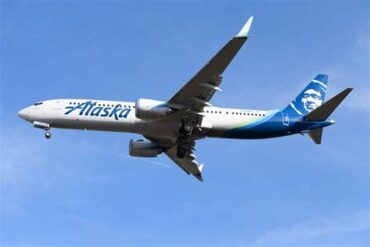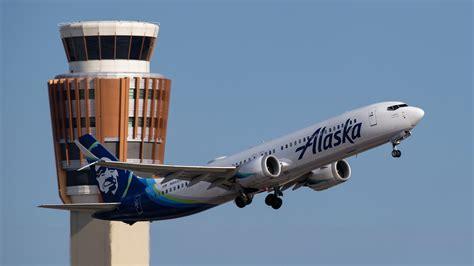
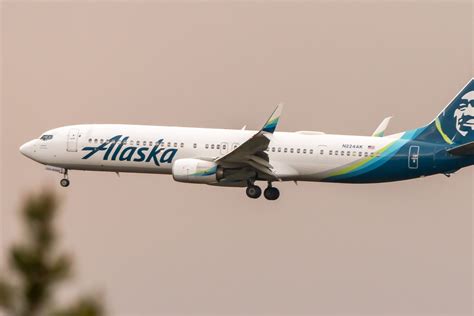
Alaska Airlines has quietly rewritten the playbook for narrowbody aviation, launching a 3,600-mile nonstop route that challenges long-held assumptions about what single-aisle aircraft can achieve. By connecting Seattle directly to Iceland using the Boeing 737 MAX 8, the airline has established the longest Boeing 737 flight ever operated by a US carrier, signaling a broader shift in how airlines deploy next-generation aircraft across transatlantic markets.
This is not just another route launch—it is a strategic recalibration of range, economics, and passenger demand. For decades, long-haul flying has been dominated by widebody jets. Now, Alaska Airlines is demonstrating that efficiency-driven narrowbody operations can stretch further than ever before, without compromising viability.
Seattle to Keflavik: A Bold Transatlantic Statement
The new service linking Seattle-Tacoma International Airport and Keflavik International Airport spans 3,622 miles (5,829 km), crossing the North Atlantic in approximately 7 hours and 30 minutes eastbound. Westbound flights take slightly longer, as aircraft battle prevailing headwinds on the return journey.
Unlike traditional transatlantic routes served by twin-aisle aircraft, this flight is powered by a single-aisle jet. The implications are significant: lower operating costs, increased frequency flexibility, and access to thinner long-haul markets that would otherwise be unprofitable.
By scheduling the route as a daily service, Alaska Airlines is not testing the waters—it is committing fully to the concept. The airline’s confidence reflects both strong demand for Iceland as a destination and the growing capability of modern narrowbody aircraft.
Why the Boeing 737 MAX 8 Makes This Possible
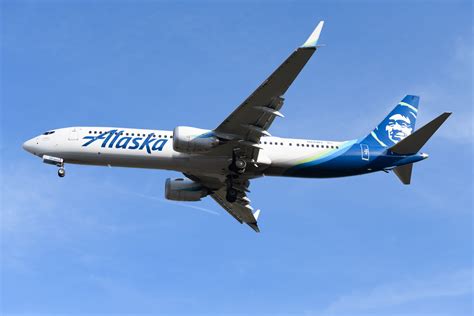
The transformation is driven by the technological evolution of the 737 MAX platform. Compared to earlier generations, the MAX 8 offers:
- Extended range capabilities exceeding 3,500 miles
- Improved fuel efficiency through advanced CFM LEAP-1B engines
- Optimized aerodynamics, including distinctive split-tip winglets
- Lower per-seat costs, making long thin routes commercially viable
These enhancements allow airlines to deploy aircraft on routes previously reserved for widebodies like the Boeing 787 or Airbus A330. The result is a more nimble network strategy, where airlines can open direct city pairs without relying on massive passenger volumes.
For Alaska Airlines, this aligns perfectly with its Seattle hub strategy, leveraging geographic positioning to bridge North America and Europe efficiently.
Competitive Dynamics Over the North Atlantic
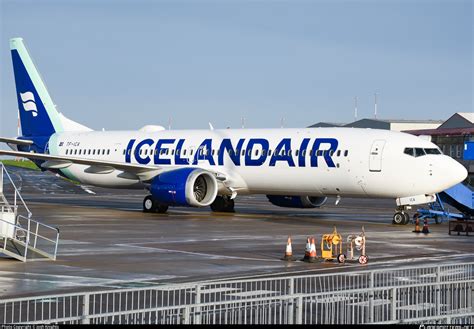
Alaska Airlines is not alone on this route. Icelandair already operates multiple daily flights between Seattle and Keflavik, also using Boeing 737 aircraft. However, Icelandair holds a larger capacity share, bolstered by its established network and additional seasonal frequencies.
Still, Alaska’s entry introduces a compelling dynamic. Unlike Icelandair’s traditional hub-and-spoke model through Iceland, Alaska can tap into its strong West Coast feeder network, channeling passengers seamlessly into the transatlantic flight.
This competition highlights a broader trend: narrowbody aircraft are no longer secondary players on long-haul routes—they are becoming central to network expansion strategies.
Alaska Airlines Dominates Longest 737 Routes in the US
Data from Cirium underscores Alaska Airlines’ dominance in long-range 737 operations. The airline now operates three of the five longest Boeing 737 routes among US carriers, with its Seattle–Keflavik service taking the top spot.
Interestingly, the remaining longest routes are heavily concentrated around Ted Stevens Anchorage International Airport, reflecting Alaska’s unique geographic advantage. These include seasonal services linking Anchorage to major East Coast cities such as New York and Boston.
This pattern reveals a critical insight: extreme-range narrowbody flying thrives where geography and demand intersect, particularly in regions where distances are vast but passenger volumes are moderate.
Anchorage Routes: Seasonal Yet Strategically Vital
Alaska Airlines’ Anchorage-based routes, including connections to New York JFK and Boston, are seasonal operations timed to capture peak summer demand. These flights stretch beyond 3,300 miles, placing them among the longest narrowbody services in the country.
While seasonal, their importance should not be underestimated. They demonstrate how airlines can deploy aircraft dynamically, scaling capacity up or down based on demand while maintaining operational efficiency.
The approach reflects a broader industry shift toward precision network planning, where aircraft are matched to routes with surgical accuracy.
Global Context: Where This Route Stands Worldwide
Despite its record within the United States, Alaska’s new route is not the longest 737 flight globally. That title belongs to Brazilian carrier GOL Airlines, which operates a 3,778-mile service between Orlando and Brasília using the same aircraft type.
Still, the Seattle–Keflavik route ranks second globally, placing Alaska Airlines firmly among the pioneers of ultra-long narrowbody operations.
Across the top ten longest 737 routes worldwide, three airlines dominate:
- GOL Airlines
- Icelandair
- Alaska Airlines
This concentration highlights a niche but rapidly expanding segment of aviation, where range capability meets strategic ambition.
The Economics Behind Long-Haul Narrowbody Flights
The appeal of these routes lies in their economics. Widebody aircraft, while capable, require high passenger loads to remain profitable. Narrowbodies, by contrast, offer:
- Lower trip costs, reducing financial risk
- Greater frequency options, enhancing schedule flexibility
- Access to underserved markets, unlocking new revenue streams
For passengers, the benefits include more direct routes and fewer layovers, particularly between secondary cities and international destinations.
However, there are trade-offs. Narrowbody cabins typically offer less space and fewer premium amenities, which can influence traveler preferences on longer journeys.
The Future: Even Longer Flights on the Horizon
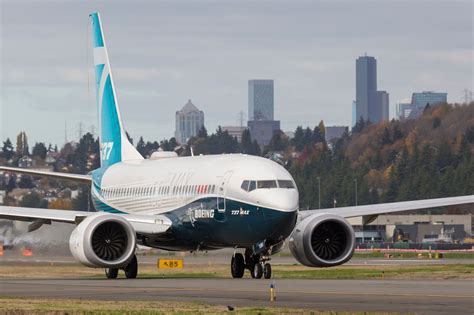
The story does not end here. The upcoming Boeing 737 MAX 7, expected to enter service soon, promises an additional 345 miles of range over the MAX 8. This seemingly modest increase could unlock entirely new route possibilities.
Airlines may soon explore:
- Deeper transatlantic connections from smaller US cities
- Expanded Arctic routing strategies
- New point-to-point services bypassing traditional hubs
As aircraft capabilities continue to evolve, the boundaries of narrowbody flying will be pushed even further, reshaping global route networks in the process.
A Defining Moment for Alaska Airlines
This milestone is more than a technical achievement—it is a statement of intent. Alaska Airlines is positioning itself at the forefront of a new era in aviation, where efficiency, flexibility, and innovation define competitive advantage.
By launching the longest Boeing 737 flight operated by a US carrier, the airline has proven that size is no longer the limiting factor in long-haul travel. Instead, it is strategy, technology, and execution that determine how far an airline can go.
And at 3,600 miles, Alaska Airlines has made it clear: the horizon for narrowbody aircraft is much farther than anyone once believed.