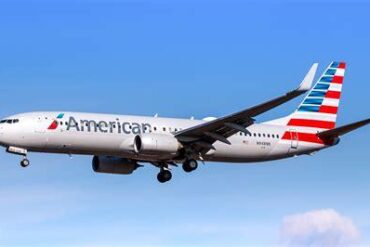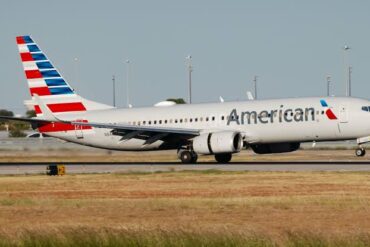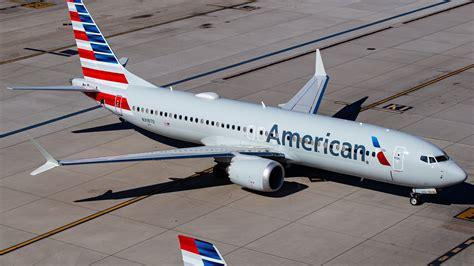
The Boeing 737-800 has quietly shaped modern commercial aviation more than almost any other narrowbody aircraft. While newer designs dominate headlines, this specific variant continues to underpin airline networks with remarkable consistency. In the United States, no carrier embodies this reality more clearly than American Airlines, which operates more Boeing 737-800 aircraft than any other U.S. airline. The scale of that commitment is not incidental; it reflects decades of fleet planning, operational pragmatism, and a deliberate strategy built around flexibility, reliability, and network depth.
For American Airlines, the 737-800 is not a transitional aircraft awaiting replacement. Instead, it remains a core asset that touches nearly every part of the airline’s domestic system and a meaningful portion of its near-international footprint. Understanding why American became the largest U.S. operator of this aircraft reveals not just fleet statistics, but how one airplane type can anchor an airline’s identity.
The Boeing 737-800’s Enduring Global Influence
Few aircraft have achieved the widespread operational trust earned by the Boeing 737-800. Introduced as part of the 737 Next Generation family, the -800 arrived at a pivotal moment when airlines needed higher efficiency without sacrificing range or passenger capacity. Positioned perfectly between earlier 737 variants and larger single-aisle competitors, it delivered exactly what airlines were seeking: dependable economics, versatile performance, and adaptable cabin layouts.
With a typical seating capacity ranging from 160 to 189 passengers and a range of roughly 3,000 nautical miles, the 737-800 unlocked route possibilities that were previously uneconomical. Airlines could serve thinner long-haul routes, increase frequency in business-heavy corridors, and consolidate capacity without introducing larger aircraft that risked overcapacity.
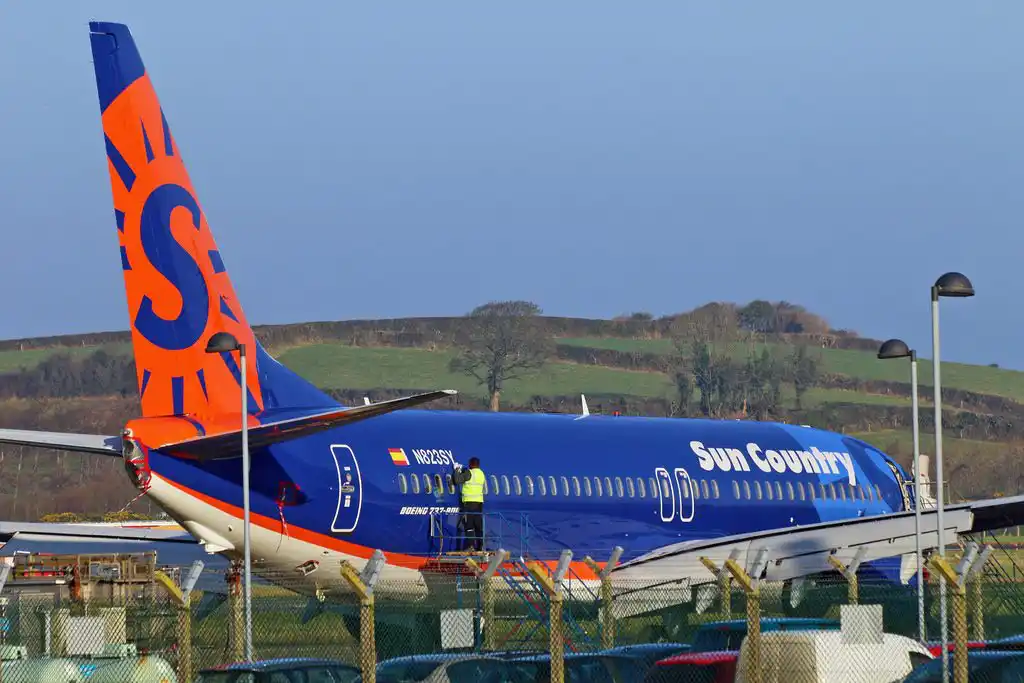
Globally, the aircraft became a universal solution. Legacy carriers valued its ability to integrate seamlessly into hub-and-spoke systems, while low-cost airlines exploited its high-density potential to drive unit costs down. Over 5,000 examples have been built, and even today, the 737-800 remains one of the most common sights at airports across every continent. Its longevity is not an accident; it is the result of a design that balanced efficiency, reliability, and operational flexibility better than almost any narrowbody before or since.
Why American Airlines Invested So Heavily In The 737-800
American Airlines’ relationship with the Boeing 737-800 stretches back more than two decades. As the airline sought to modernize an aging narrowbody fleet, the -800 emerged as a natural replacement that could deliver improved fuel efficiency while maintaining familiar operational characteristics. Over time, this relationship deepened, turning the aircraft into one of the defining pillars of American’s fleet.
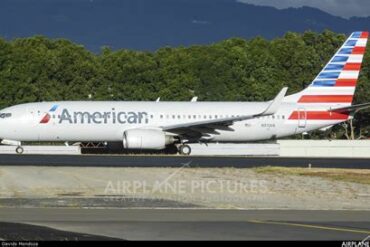
Today, American Airlines operates 303 Boeing 737-800 aircraft, making it the largest U.S. operator of the type. With an average fleet age of approximately 16 years, these aircraft represent a mature but meticulously maintained segment of American’s overall operation. Roughly 77% of American’s Boeing 737 fleet consists of the -800, with the remainder primarily made up of the closely related 737 MAX 8.
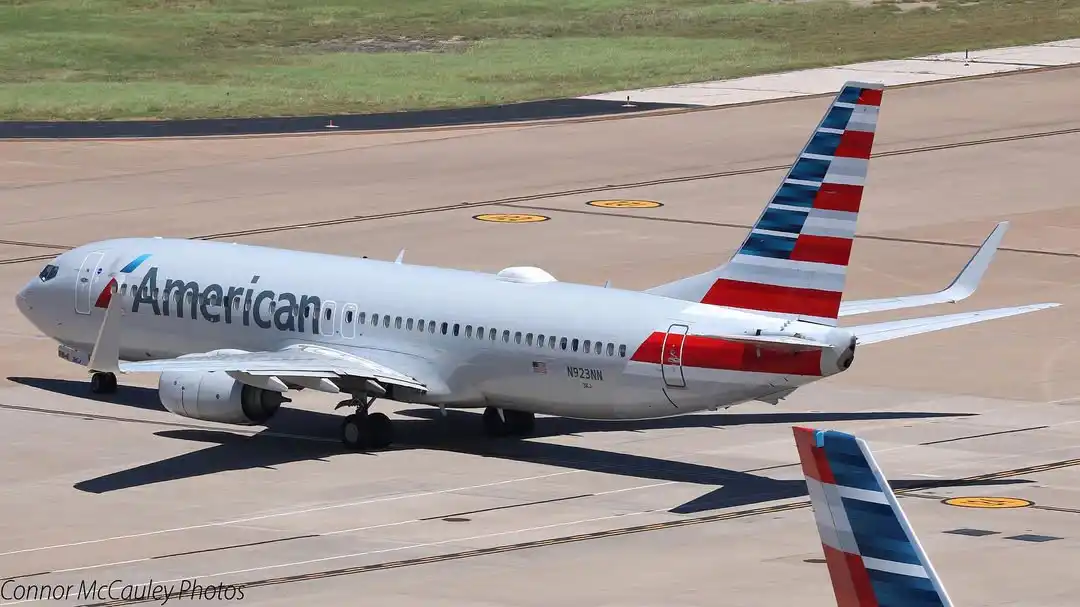
The sheer scale of this fleet provides significant advantages. Crew training becomes more standardized, maintenance procedures are streamlined, and aircraft substitutions are easier during irregular operations. When a technical issue arises, American can often swap one 737-800 for another without disrupting schedules, preserving reliability across its network. This operational resilience is one of the understated reasons why American continues to rely so heavily on the type.
Cabin Consistency And Passenger Experience Onboard
Unlike some airlines that operate multiple seating layouts within the same aircraft type, American Airlines has adopted a uniform cabin configuration across its entire 737-800 fleet. This consistency simplifies operations while offering passengers a predictable experience regardless of route.
The forward cabin features 16 domestic First Class seats spread across the first four rows, offering 37 inches of pitch and generous recline. Behind this, the Main Cabin extends from rows eight through 33, accommodating 156 economy seats. While pitch in the standard economy section is set at 30 inches, select seats provide additional legroom for passengers seeking extra comfort.
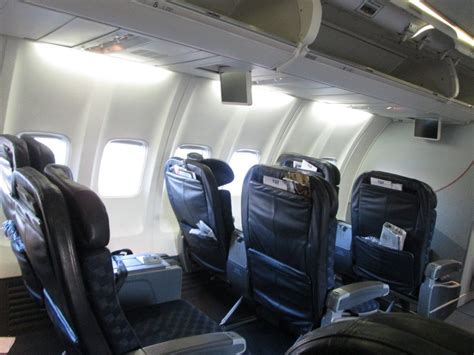
Notably, American’s 737-800s do not feature seatback entertainment screens. Instead, the airline has embraced a streaming-based inflight entertainment system, allowing passengers to access movies and television shows directly from their personal devices. This approach reduces aircraft weight, lowers maintenance complexity, and aligns with broader industry trends toward device-based entertainment.
How The 737-800 Powers American’s Route Network
The operational footprint of American’s Boeing 737-800 fleet is immense. In a single month, the aircraft is scheduled to operate over 31,800 flights, offering more than 5.4 million seats. In terms of available seat miles, the fleet generates approximately 5.23 billion ASMs, underscoring just how central the aircraft is to American’s capacity planning.
Much of this activity revolves around American’s largest hubs, particularly Dallas/Fort Worth International Airport. From DFW, the 737-800 acts as a connective tissue linking major business markets, secondary cities, and leisure destinations. The aircraft’s versatility allows American to deploy it on short one-hour hops within Texas as easily as on transcontinental business routes.
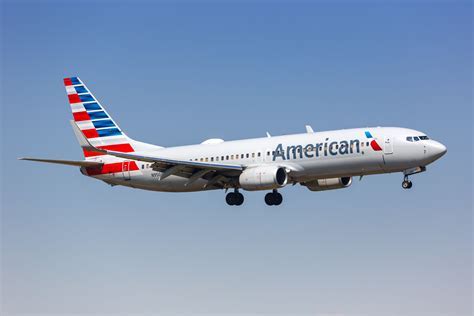
This adaptability makes the 737-800 indispensable. Rather than tailoring aircraft types to narrow route profiles, American leverages the -800 across a wide range of distances and demand levels, maximizing utilization while minimizing complexity.
The Most Flown American Airlines 737-800 Routes
Examining American’s most frequently operated 737-800 routes highlights how the aircraft supports the airline’s most critical markets. The busiest corridor is between New York LaGuardia and Dallas/Fort Worth, a route that sees more than 320 monthly flights operated by the type. This pairing of two major hubs reflects the aircraft’s importance in high-frequency business travel.
Close behind are routes connecting Dallas with Chicago O’Hare, Washington National, and Austin, each serving a mix of corporate, government, and leisure demand. These routes demonstrate the aircraft’s ability to balance frequency with capacity, offering enough seats to meet demand without introducing larger, less flexible aircraft.
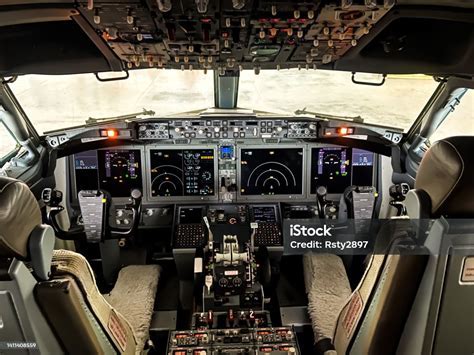
At the other end of the spectrum, the 737-800 also excels on shorter segments. Routes like Dallas to Austin generate far fewer seat miles but remain economically viable due to the aircraft’s efficient operating profile. This dual capability reinforces why American continues to rely on the 737-800 as a network workhorse.
The 737-800 Within American’s Massive Fleet Strategy
American Airlines operates one of the world’s largest aircraft fleets, exceeding 1,000 aircraft across mainline and regional operations. Within this enormous ecosystem, the 737-800 occupies a unique position. It serves as a bridge between older retired aircraft and newer models still arriving from manufacturers.
When widebody-capable narrowbodies like the Boeing 757 were retired, the 737-800 stepped in to cover many hub-to-hub routes that required dependable capacity without excessive range. Even as American introduces advanced aircraft such as the Airbus A321XLR and Boeing 787, the 737-800 remains relevant due to its flexibility and lower ownership costs.
American has also invested in upgrades to keep the fleet competitive. Larger overhead bins, reliable onboard Wi-Fi, and refreshed interiors ensure that the passenger experience remains aligned with newer aircraft types. While the 737 MAX family offers quieter cabins and improved fuel burn, the legacy -800 continues to deliver strong value in everyday operations.
How American Compares To Other Major 737-800 Operators
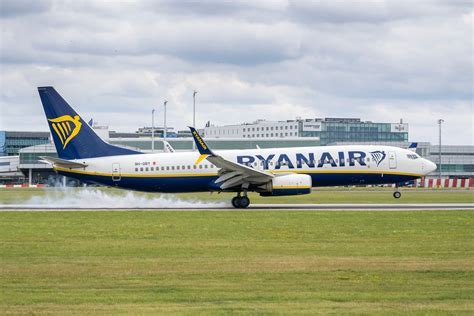
While American Airlines leads the United States in Boeing 737-800 fleet size, it does not hold the global crown. That distinction belongs to Ryanair, which operates nearly 400 examples of the aircraft. For Ryanair, the 737-800 is the backbone of an ultra-low-cost business model built around high-density seating and rapid aircraft turnaround.
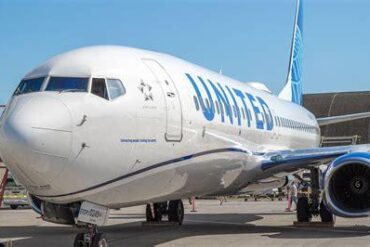
Within the U.S., Southwest Airlines ranks second in 737-800 ownership, though its broader Boeing 737 fleet is the largest in the world. United Airlines follows as the third-largest domestic operator of the type. What distinguishes American is not just the number of aircraft, but how deeply integrated the 737-800 is into every layer of its network.
Why The Boeing 737-800 Still Matters Today
Despite the aviation industry’s focus on next-generation aircraft, the Boeing 737-800 continues to prove its relevance. Its mature design, predictable performance, and widespread support infrastructure make it a dependable choice in an era where operational stability is increasingly valuable.
For American Airlines, being the largest U.S. operator of the 737-800 is not about nostalgia or inertia. It is a reflection of a deliberate strategy that prioritizes fleet commonality, operational reliability, and network versatility. The aircraft’s ability to perform consistently across thousands of daily flights cements its status as one of the most important narrowbody aircraft in American aviation history.
As newer aircraft gradually enter service, the 737-800’s role may evolve, but its influence will remain unmistakable. For millions of passengers each year, it is the aircraft that quietly carries them between cities, hubs, and regions, forming the backbone of American Airlines’ vast domestic network.