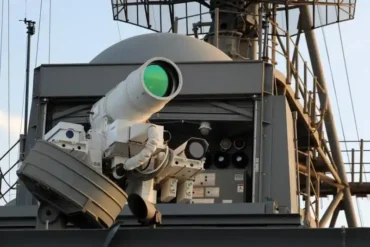
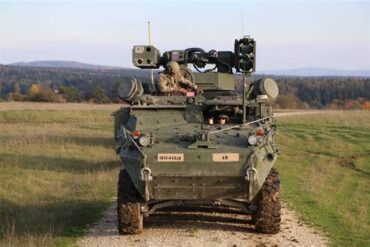
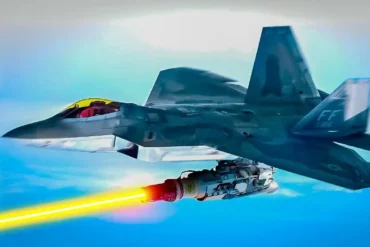
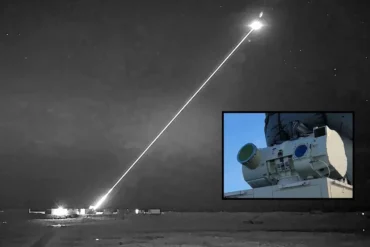
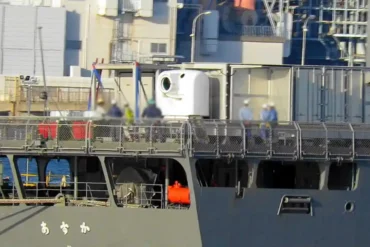
The AN/SEQ-3 Laser Weapon System (LaWS) represents a significant leap forward in naval defense technology. As a directed-energy weapon, LaWS was specifically designed by the U.S. Navy to address emerging threats in modern warfare. The system utilizes a solid-state laser array, offering a cost-effective and highly versatile means of neutralizing low-end asymmetric threats such as drones, small boats, and other fast-moving targets that traditional weaponry struggles to counter.
The Purpose and Design of LaWS
At its core, LaWS is a ship-defense system, intended to provide naval vessels with a cutting-edge weapon capable of engaging threats without the need for conventional projectiles. The system is equipped with a scalable power output, which allows it to perform a variety of functions, from dazzling an enemy’s sensors to completely destroying its target. This scalability is one of LaWS’s most significant advantages, making it adaptable to a wide range of operational scenarios.
The system uses an infrared beam generated by a solid-state laser array, which can be adjusted for both high and low output. For example, at low power, the laser can temporarily disable an adversary’s sensors or simply warn them off, while at high power — up to 30 kilowatts — it can completely incapacitate the target, fry its motors, and detonate explosive materials onboard. This ability to engage at multiple power levels makes LaWS not just an offensive weapon, but also an effective non-lethal deterrent.
Key Features and Capabilities
LaWS was designed to handle a variety of modern threats with precision and speed. Below are some of its core capabilities:
- Rapid Target Engagement: LaWS can neutralize a small UAV (unmanned aerial vehicle) in as little as two seconds, showcasing its speed and precision.
- Versatility: LaWS is effective against a wide range of targets, including small boats, UAVs, and even larger aircraft like helicopters.
- Cost-Efficiency: Each shot fired by LaWS costs approximately 59 cents, a significant saving compared to traditional missiles or gun rounds, which can run into the hundreds of thousands of dollars.
- Environmental Adaptability: The system has been tested in a variety of challenging environments, including high humidity, dust storms, and saltwater, proving its resilience in adverse conditions.
The system’s targeting capability is also noteworthy. LaWS is directed by the Phalanx CIWS radar system, a proven technology used in the U.S. Navy’s defense arsenal. This radar allows LaWS to track and engage targets with high accuracy, even in cluttered or challenging conditions.
Testing and Deployment: USS Ponce and Beyond
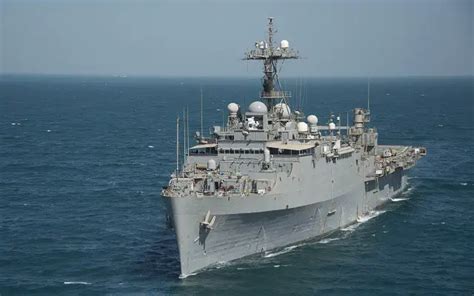
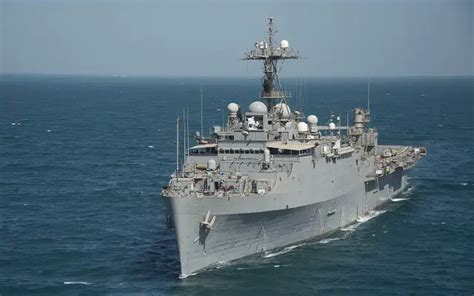
The USS Ponce became the first vessel to deploy the LaWS system in 2014, marking a historic moment in naval defense. The ship was sent to the Persian Gulf with the U.S. 5th Fleet to test the weapon in an operational environment. LaWS underwent rigorous field testing, where it demonstrated its ability to engage and destroy various targets, including ScanEagle UAVs, rocket-propelled grenades, and rigid hull inflatable boats (RHIBs).
During its deployment, LaWS showcased its flexibility and effectiveness, offering an unmatched capability in terms of cost, speed, and precision. Despite this success, several operational challenges arose, such as difficulty in tracking small targets and issues with beam coherence. These challenges ultimately prevented LaWS from entering mass production.
Cost and Operational Considerations
One of the standout features of LaWS is its cost efficiency. Each laser shot, which can neutralize a target in seconds, costs only around 59 cents. In contrast, a single missile launch can cost tens of thousands of dollars, and conventional ammunition costs even more. This low operational cost makes LaWS an attractive option for long-term defense strategies, especially for asymmetric threats where traditional weapons may be less effective.
Furthermore, LaWS is designed to operate with minimal logistical support. Unlike traditional weaponry, which requires extensive supply chains for ammunition, LaWS’s only requirement is power, which can be provided by the ship’s existing systems. This ease of deployment and maintenance gives it a significant advantage in resource-scarce environments.
Challenges and Limitations of LaWS
Despite its impressive capabilities, LaWS has faced several technical and operational limitations that have hindered its broader adoption. Some of these challenges include:
- Target Tracking Issues: The system faced difficulty tracking fast-moving or small targets, a critical issue when dealing with high-speed drones or small boats.
- Beam Coherence Problems: LaWS utilized multiple laser emitters that did not always function in perfect unison, leading to problems with maintaining a single, coherent beam for effective targeting.
- Vulnerability to Weather Conditions: While LaWS performed well in many environments, extreme sandstorms and adverse weather conditions could disrupt its functionality. Although the system was not tested in harsh sandstorms, its line-of-sight targeting could be compromised in such conditions.
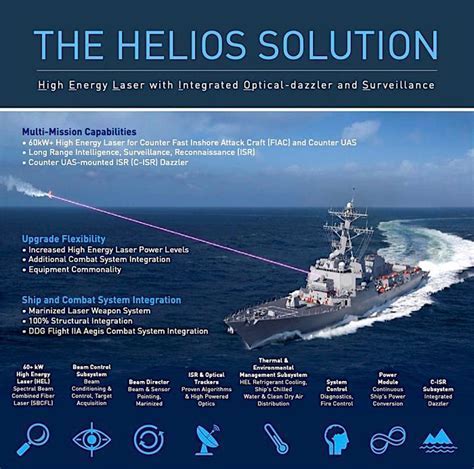
Despite these challenges, the U.S. Navy continues to pursue the development of directed-energy weapons, transitioning to more advanced systems such as the HELIOS (High Energy Laser with Integrated Optical-Dazzler and Surveillance), which is expected to address many of the issues that hindered LaWS’s deployment.
The Future of LaWS and Directed-Energy Weapons
Although LaWS did not achieve mass production, its development laid the foundation for future advancements in directed-energy weaponry. The system’s cost efficiency and speed made it a valuable proof of concept, demonstrating the potential for laser-based weapons in modern naval defense. After USS Ponce was decommissioned in 2018, the system was moved to the USS Portland for further testing, where it continued to refine its capabilities and address its earlier limitations.
As the Navy shifts focus to more powerful and advanced systems like HELIOS, LaWS’s legacy continues. HELIOS, which incorporates lessons learned from LaWS, is expected to offer improved targeting, higher power levels, and greater reliability under challenging conditions. In August 2022, the HELIOS system was successfully delivered, furthering the Navy’s commitment to directed-energy weapons as a key component of its future defense strategy.
Conclusion: LaWS and the Evolution of Naval Defense
The AN/SEQ-3 Laser Weapon System stands as a pioneering effort in the realm of directed-energy weapons. Though it faced challenges, its successful testing aboard USS Ponce showcased the immense potential of laser weapons in modern naval defense. With its cost efficiency, speed, and versatility, LaWS set the stage for the next generation of laser-based weapons systems that will continue to shape the future of naval combat.
As we move towards more advanced systems like HELIOS, the principles established by LaWS will remain at the forefront of naval innovation, influencing the development of defensive technologies for years to come.