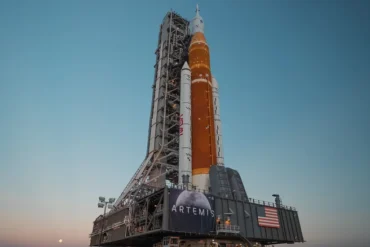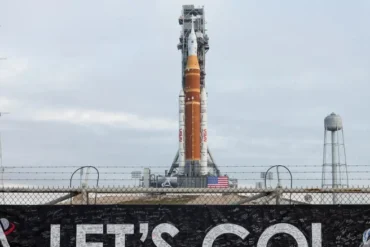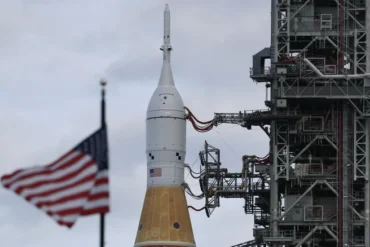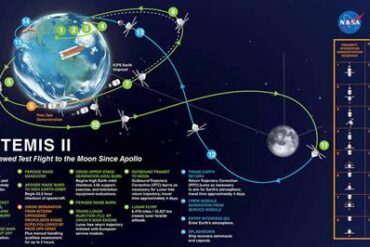
The Artemis program is designed to mark a decisive return to the Moon, not as a nostalgic echo of Apollo but as a sustained, modern campaign of exploration. Artemis II, the first crewed mission of the program, is meant to validate systems, hardware, and human readiness for deeper lunar operations. Yet as the Orion spacecraft and its astronauts prepare for flight, a persistent concern refuses to disappear: the next-generation lunar spacesuits may be working against the very humans they are meant to protect.
The irony is sharp. More than half a century after Neil Armstrong took his careful steps across the lunar surface, astronauts are preparing to wear suits that are heavier than those used during Apollo. Technology has advanced dramatically, yet mass remains stubborn. Former astronauts argue that this is not a trivial detail, but a physiological and operational problem with real consequences for mission success and crew health.
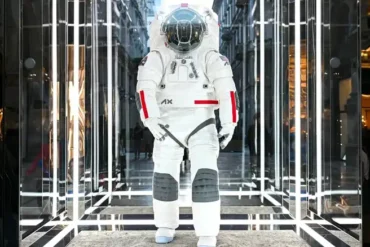
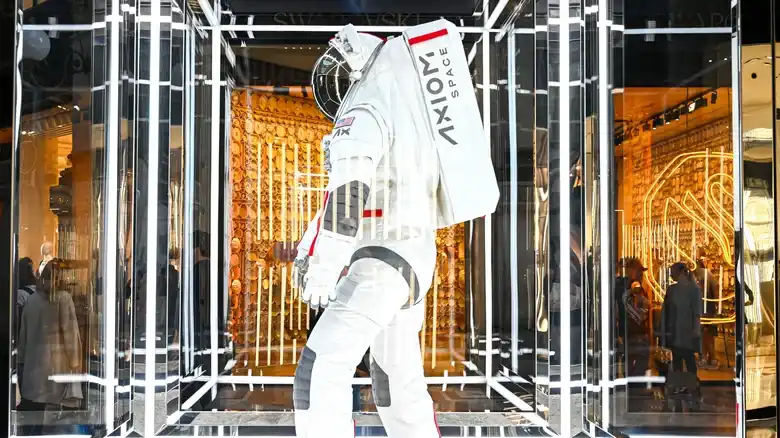
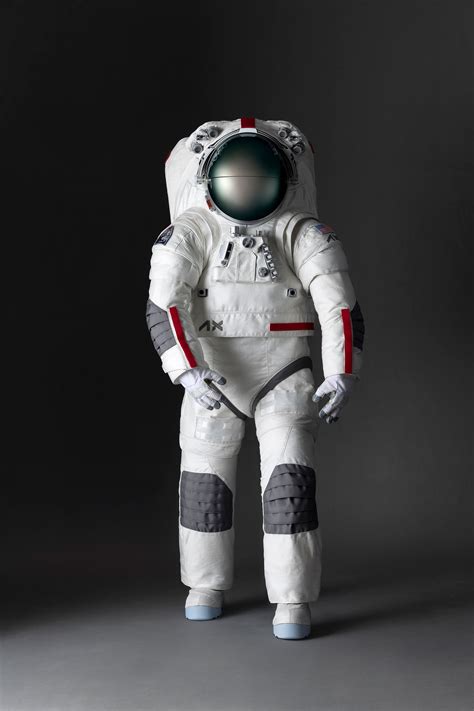
The issue came into focus as NASA finalized plans for Axiom Space’s AxEMU suits, designed specifically for Artemis lunar missions. While praised for safety, durability, and modular design, these suits weigh more than 300 pounds in Earth gravity. Even accounting for the Moon’s weaker gravitational pull, that mass still translates into significant strain during surface operations that are already physically punishing.
Why Lunar Gravity Doesn’t Make Heavy Spacesuits Harmless
A common assumption is that lunar gravity makes weight largely irrelevant. Former astronaut Kate Rubins dismantles that idea quickly. Moonwalks, she explains, are not gentle strolls but sustained endurance events performed under extreme conditions. Astronauts will be sleep-deprived, working on shifted circadian cycles, and wearing these suits for up to nine continuous hours at a time. On Artemis missions, extravehicular activities are not occasional highlights; they are daily demands.
Rubins compares long-duration spacewalks to running multiple marathons back to back. The suit does not merely sit on the body; it resists movement, amplifies fatigue, and compounds stress on joints and muscles. Add the life-support backpack, tools, scientific instruments, and emergency gear, and the astronaut’s body becomes the final load-bearing structure.
AxEMU Versus Apollo: Progress With a Cost
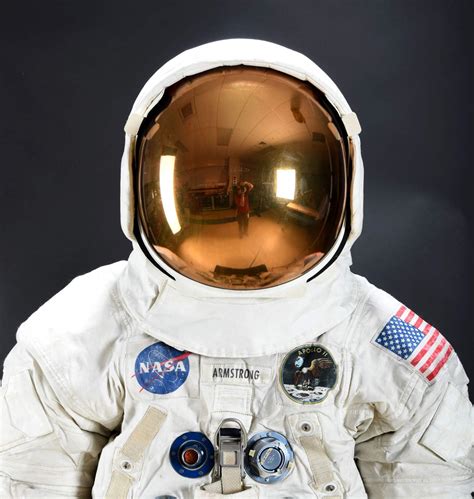
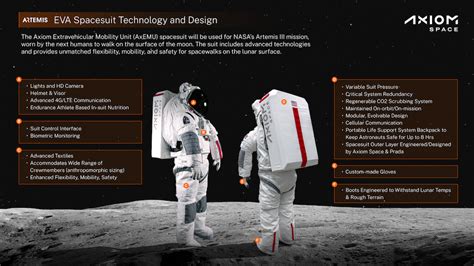
The original Apollo “Armstrong” suit weighed roughly 185 pounds on Earth. It was far from perfect, but it was optimized for short missions and limited objectives. The AxEMU is engineered for longer stays, harsher environments, and repeated use. It offers enhanced thermal protection, improved dust resistance, and a rear-entry design that allows astronauts to don the suit without assistance, a genuine leap forward.
Mobility is also improved in critical areas. The AxEMU supports deeper knee bends, greater upper-body reach, and modular attachments for tools and instruments. These features matter when astronauts are drilling, lifting samples, and traversing uneven terrain. NASA emphasizes these gains, and rightly so. Still, the added mass remains a stubborn tradeoff.
No Rover, No Relief
The concern intensifies when considering mission architecture. Artemis III, which will follow Artemis II, is not expected to include a lunar rover. That means astronauts will carry everything themselves. Every step, lift, and pivot will be powered by human muscle against suit resistance. Former Apollo astronaut Harrison “Jack” Schmitt once remarked that future suits should aim for four times the mobility at half the weight. The AxEMU moves the needle on mobility, but the weight needle swings the other way.
This imbalance could limit how far astronauts travel, how much science they complete, and how safely they operate under fatigue. Small inefficiencies multiply quickly on the Moon, where recovery options are limited and mistakes are expensive.
A Problem That Will Only Reveal Itself on the Moon
NASA continues to refine its systems, as seen when Orion’s reentry profile was adjusted after heat shield data from Artemis I. Spacesuits, however, cannot be fully validated until humans are walking on the lunar surface again. The AxEMU may ultimately perform better than critics fear, but the warning from experienced astronauts is clear: mass matters, even on the Moon.
Artemis II will not test the suits on the surface, but it sets the stage for decisions that will shape lunar exploration for decades. Whether NASA can reconcile durability, mobility, and weight will determine not just how astronauts walk on the Moon, but how far they can go, how long they can work, and how safely humanity can stay.