The United States Army is embarking on a monumental shift in military energy strategy by developing its first mobile nuclear microreactor — a compact power source designed to offer reliable, independent electricity to forward operating bases and domestic installations. This initiative, solidified by Executive Order 14299, represents a historic pivot for an institution that has long relied on conventional fuels, vulnerable supply chains, and host nation grids.
The microreactor, expected to be completed by fiscal year 2028, has the potential to dramatically enhance national security and operational resilience, especially in remote or hostile environments.
A Strategic Directive: Executive Order 14299
Signed by President Donald Trump on May 23, 2025, Executive Order 14299 — titled Deploying Advanced Nuclear Reactor Technologies For National Security — mandates that the Secretary of Defense, via the Secretary of the Army, “establish a program of record for the utilization of nuclear energy for both installation energy and operational energy.” This effectively commits the Army to the development of a transportable nuclear microreactor, a system designed to reduce dependency on diesel fuel and volatile supply chains.
Historically, the U.S. Navy has been the dominant military user of nuclear technology, with its vast fleet of nuclear-powered submarines and aircraft carriers. The Army, in contrast, has operated without such capabilities. But changing geopolitical dynamics and the increasing vulnerability of energy logistics have propelled this dramatic policy change.
Project Pele: The Engine Behind the Revolution
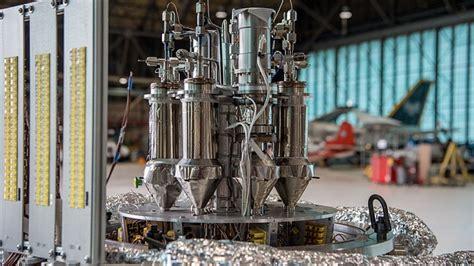
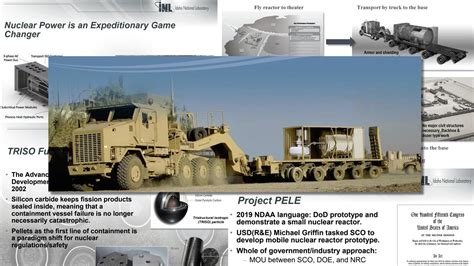
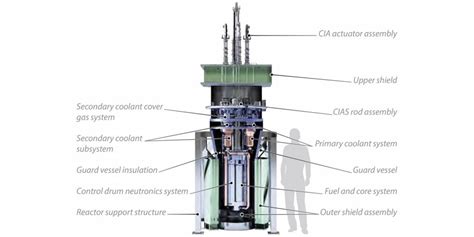
Though EO 14299 brought national attention to the initiative, the groundwork was laid much earlier. Initiated in 2016 by the U.S. Department of Defense’s Strategic Capabilities Office, Project Pele is the formal name for the Army’s microreactor program. Its aim: to build a 1–5 megawatt Generation IV nuclear reactor capable of sustaining autonomous power for at least three years without refueling.
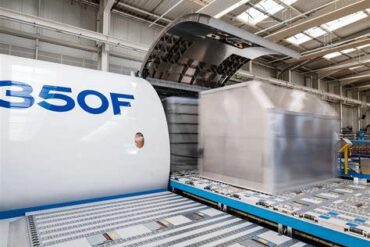
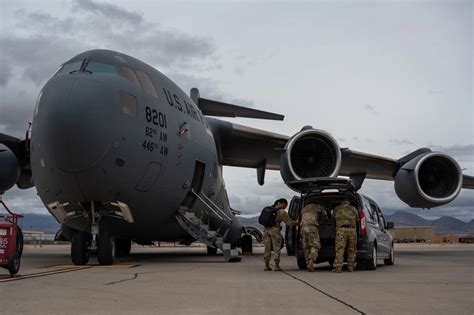
The defining trait of this new reactor is its mobility. Designed to be transported via C-17 Globemaster III aircraft, the system will be containerized into three or four 20-foot shipping containers and weigh approximately 40 tons in total. This is a radical departure from traditional reactors, which are massive, stationary, and require years to construct and activate.
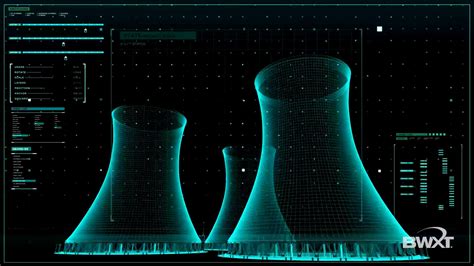
In 2022, the Department of Defense awarded $300 million to BWX Technologies to lead the reactor’s design and development. The urgency has only increased following China’s unveiling of the HTR-PM Gen IV reactor in 2021, which marked a milestone in compact nuclear power.
Why Nuclear? Why Now?
There are multiple reasons why the Army is turning to nuclear microreactors at this juncture:
- Energy Security: Supply lines for fuel are among the most targeted and vulnerable elements in a battlefield environment. Reducing the need to convoy diesel to remote bases saves lives and resources.
- Operational Independence: Bases in austere or politically unstable areas often rely on unreliable local grids or imported energy.
- Environmental Compliance: As the Department of Defense looks to reduce its carbon footprint, nuclear energy presents a clean, zero-emission option.
- Technological Leadership: With geopolitical rivals like China advancing rapidly in nuclear innovation, the U.S. cannot afford to fall behind.
Dr. Jeff Waksman, Project Pele’s program manager, noted: “Advanced nuclear power has the potential to be a strategic game-changer for the United States, both for the DoD and for the commercial sector. For it to be adopted, it must first be successfully demonstrated under real-world operating conditions.”
Engineering the Future: Design and Deployment Challenges
Developing a nuclear microreactor for military use poses unique challenges. While traditional nuclear plants take a decade or more to build at a cost exceeding $10 billion, the Army’s microreactor must be operational by 2028, fully mobile, and cost-effective.
One major advantage: EO 14299 aims to streamline nuclear regulatory approvals, which have historically bogged down civilian projects. But even with bureaucratic red tape reduced, technological development and funding remain critical hurdles.
Unlike the Navy’s reactors, which are embedded in highly controlled, long-term platforms like ships and subs, the Army’s units must function in diverse, hostile, and variable environments — from the arctic to the desert.
Another uncertainty is the testing and deployment location. As of mid-2025, no military installation or facility has been officially designated as a trial site. Choosing a location that balances safety, logistics, and political feasibility will be essential.
A Question of Feasibility
Although the initiative carries strategic merit, there are questions about feasibility within the proposed timeline and budget. There is currently no dedicated funding stream attached to EO 14299 beyond the existing Project Pele resources. The expectation of full deployment by September 2028 places enormous pressure on developers, policymakers, and military planners alike.
Historically, new nuclear reactor development in the U.S. is rare, expensive, and drawn-out. Even smaller-scale civilian modular reactors like those proposed by NuScale Power have faced regulatory and financial headwinds. Expecting the Army to compress this entire process into a three-year span while pioneering a mobile version is a Herculean task.
Still, the military imperative may override civilian caution. The Department of Defense can expedite procurement and testing more efficiently than public utilities, and in an era of growing energy insecurity, success could yield significant returns.
Long-Term Implications and Dual-Use Potential
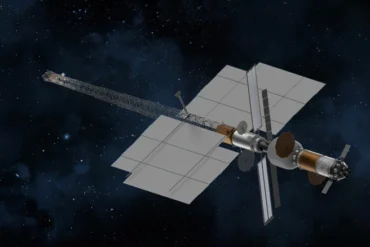
Beyond the military sphere, the implications of a successful microreactor project are enormous. A proven, scalable mobile nuclear system could revolutionize disaster response, remote community electrification, and even space exploration. In fact, NASA has expressed interest in similar compact reactor systems for potential lunar and Martian bases.
If Project Pele succeeds, it could pave the way for civilian deployment of microreactors in areas hit by hurricanes, earthquakes, or other grid-destroying events. Instead of waiting weeks for diesel shipments, hospitals and emergency centers could deploy a plug-and-play nuclear battery with years of autonomous energy.
The U.S. could also leverage this technology for energy diplomacy by offering allied nations clean, compact power systems for remote operations, reducing their dependency on fossil fuels or adversarial infrastructure.
The Geopolitical Race for Compact Nuclear Power
The United States is not alone in this race. China, Russia, and other nations are aggressively pursuing advanced nuclear technologies for both military and civilian use. China’s lead in Gen IV reactor deployment is symbolic of broader ambitions to dominate global energy markets in the 21st century.
If the U.S. Army successfully implements Project Pele, it not only reasserts American dominance in nuclear innovation but also sends a signal to global rivals that the U.S. military is ready to adapt to the energy realities of future warfare.
Conclusion: A New Era in Military Energy
The U.S. Army’s nuclear microreactor project is more than a technological experiment — it is a declaration of strategic intent. By investing in a transportable, efficient, and self-sustaining energy source, the Army is preparing for a future where energy security is inseparable from national security.
While hurdles abound — from funding shortfalls to technical complexity — the stakes are simply too high to ignore. Whether Project Pele meets its ambitious 2028 deadline or not, its pursuit is reshaping how the world’s most powerful military thinks about energy, logistics, and autonomy in the 21st century.
If successful, it won’t just power bases — it will power the next generation of American military capability.