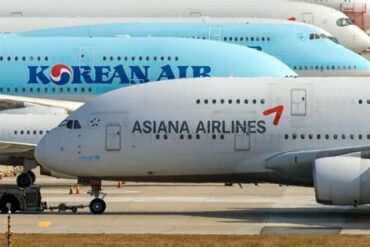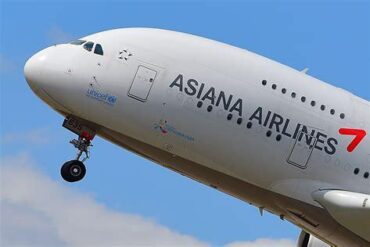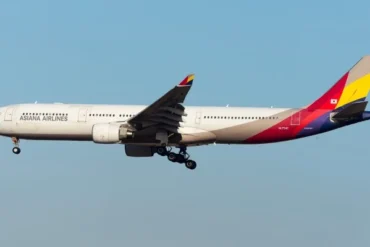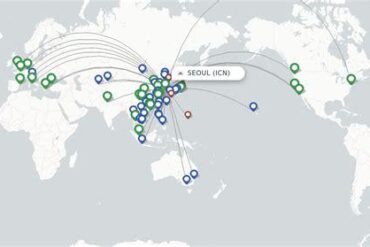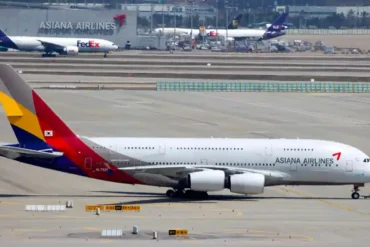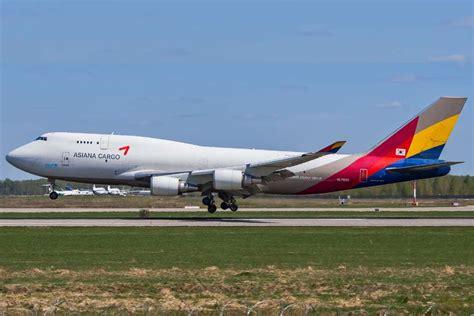
Since its inception as Seoul Air International on 17 February 1988, Asiana Airlines has steadily built a reputation as one of Asia’s premier cargo carriers. From its early days of modest domestic services, the airline has evolved into a full-service Star Alliance member, boasting an extensive network of 27 dedicated cargo routes spanning Asia, Europe, and North America. Headquartered in the state-of-the-art Asiana Town in Osoe-dong, Gangseo District, Seoul, Asiana Airlines Cargo operates alongside its passenger division as an integral part of Korea’s second-largest carrier, reflecting a relentless commitment to reliability, innovation, and global connectivity.
Historical Foundations and Strategic Growth
The story of Asiana Airlines Cargo is inseparable from the broader narrative of Asiana’s rise. When flights commenced on 23 December 1988, the focus was squarely on passenger services to Busan and Gwangju. Yet within a few years, the airline recognized the burgeoning demand for dedicated freight transport, especially as South Korea’s export economy skyrocketed. By the mid‑1990s, Asiana had deployed Boeing 747-400Fs and converted Combi aircraft to meet urgent freight capacity needs, carrying everything from automotive parts to perishable goods. That early diversification laid the groundwork for a standalone cargo division that, by 2012, was operating to 29 cities in 14 countries and generating net sales exceeding US$ 5.3 billion in combined operations.
Establishing a Global Cargo Network
With hubs at Incheon International Airport for international services and Gimpo International Airport for domestic operations, Asiana’s cargo division leverages world-class infrastructure to ensure seamless door-to-door delivery. The airline’s strategic positioning in Seoul enables rapid connections to major transshipment centers in Hong Kong, Frankfurt, and Los Angeles, while dedicated cargo terminals feature advanced sorting systems, temperature-controlled facilities, and real-time tracking technologies. By forging partnerships with major logistics providers and joining global alliances, Asiana Airlines Cargo has been able to expand its service footprint without sacrificing its unwavering commitment to on-time performance and cargo integrity.
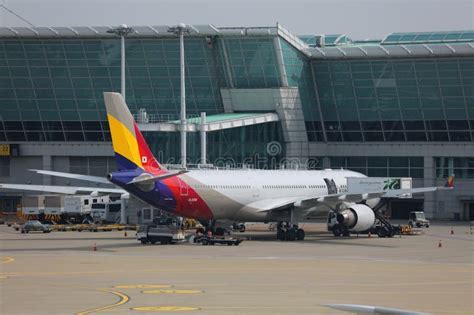
Fleet & Capabilities: Powering the Cargo Mission
At the heart of any cargo airline lies its fleet. As of July 2025, Asiana Airlines Cargo operates a robust lineup designed for maximum payload and range flexibility:
- Boeing 747‑400BDSF (5 in service): Purpose-built for bulk freight and outsized cargo, featuring reinforced decks and modified loading systems.
- Boeing 747‑400F (6 in service): True freighters offering unsurpassed capacity and intercontinental reach.
- Boeing 767‑300F (1 in service): Ideal for medium-haul routes and specialized loads, balancing efficiency with adaptability.
This diverse fleet enables Asiana to tailor capacity precisely to market demand, ensuring that whether the shipment is automotive components bound for Europe or fresh seafood destined for North America, each consignment travels aboard the optimal platform. Routine fleet modernization—such as the retirement of older 747‑400M Combi aircraft—has further enhanced operational reliability and reduced environmental impact through improved fuel efficiency.
Cargo Hubs & Infrastructure Investments
Asiana’s commitment to cargo excellence is most visible in its infrastructure investments. The Incheon Cargo Terminal, a sprawling facility adjacent to the passenger terminals, boasts multiple ramp positions, automated handling systems, and segregated zones for hazardous materials, perishables, and live animals. Similarly, the Gimpo freighter apron has been expanded to accommodate widebody operations, while cold-chain warehouses ensure that temperature-sensitive pharmaceuticals and foodstuffs maintain integrity. These investments are complemented by cutting-edge IT platforms that provide real-time visibility into every shipment’s status, empowering customers with accurate arrival predictions and exception alerts.
Service Offerings & Value-Added Solutions
Beyond standard air freight, Asiana Airlines Cargo differentiates itself through a suite of value-added services. Asiana Pharma offers validated temperature-controlled shipping with stringent monitoring, crucial for vaccine and biologics transport. Asiana Fresh guarantees expedited handling for perishable goods, leveraging dedicated cooling tunnels and express clearance lanes. For oversized or heavy cargo, the Asiana Heavy Lift division coordinates bespoke loading plans, specialized equipment, and tailored insurance coverage. Each service is underpinned by rigorous standard operating procedures and dedicated customer support teams fluent in multiple languages, ensuring seamless coordination from booking through delivery.
Safety, Compliance, and Quality Assurance
Operating in a highly regulated environment, Asiana Airlines Cargo upholds stringent safety and compliance standards. All aircraft and ground facilities adhere to IATA’s Operational Safety Audit (IOSA) protocols, while hazard-class shipments are managed in accordance with ICAO Technical Instructions. The airline’s internal Quality Management System (QMS) monitors key performance indicators such as on-time performance, damage rates, and cargo acceptance accuracy, with continuous improvement driven by root-cause analyses and cross-functional audits. These measures have earned Asiana recognition from global shippers and regulatory bodies alike, reinforcing the airline’s reputation as a trusted partner in the air cargo community.
Market Position & Strategic Alliances
In a market dominated by giant integrators and niche carriers, Asiana Airlines Cargo holds a unique position as a full-service airline-backed provider. Membership in the Star Alliance allows seamless interline transfers and extended reach through partner networks, while bilateral agreements with major carriers such as Lufthansa Cargo and United Cargo facilitate cooperative services on key lanes. Asiana’s equity stake in regional subsidiaries—Air Busan Cargo and Air Seoul Cargo—further enhances its ability to capture feeder traffic within Asia, ensuring that even second‑tier cities benefit from global connectivity. This multi-tiered strategy has enabled Asiana to maintain a competitive market share, particularly in high-yield lanes involving automotive exports, electronics, and perishables.
Sustainability Initiatives & Environmental Responsibility
Recognizing the imperative of environmental stewardship, Asiana Airlines Cargo has embarked on a series of sustainability initiatives. Fleet renewal programs prioritize aircraft with lower CO₂ emissions per ton-kilometer, while operational measures such as single-engine taxiing, continuous descent approaches, and optimized load planning reduce fuel burn. Ground facilities at Incheon and Gimpo incorporate solar panels, LED lighting, and rainwater harvesting to minimize carbon footprints. Additionally, Asiana collaborates with industry bodies to explore sustainable aviation fuels (SAF) for cargo operations, positioning itself at the forefront of greening the air freight sector.
Customer-Centric Technology & Digital Transformation
In today’s digital age, visibility and ease of use are paramount. Asiana Airlines Cargo’s online booking portal integrates rate quotation, e‑AWB issuance, and automated customs documentation in a unified dashboard. Mobile applications deliver push notifications on departure, arrival, and customs clearance, while an AI-driven chatbot handles routine inquiries 24/7. The airline also leverages blockchain pilots to enhance data integrity and traceability, trialing tokenized documents that reduce paperwork and expedite dispute resolution. These digital innovations underscore Asiana’s commitment to seamless customer experiences and operational transparency.
Future Outlook & Strategic Priorities
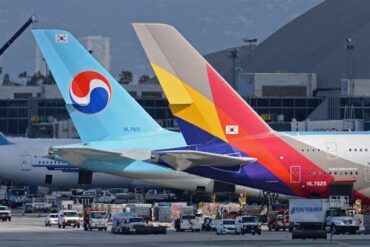
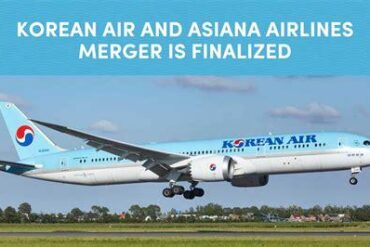
Looking ahead, Asiana Airlines Cargo is poised to capitalize on emerging trends in e-commerce, biotechnology shipments, and sustainable logistics. The integration with Korean Air—completed on 12 December 2024—opens avenues for fleet rationalization, network optimization, and combined sales efforts, enhancing economies of scale. Strategic priorities include expanding last‑mile partnerships in key growth markets, scaling SAF adoption for long‑haul freighters, and deepening integration of AI analytics for demand forecasting. By maintaining its customer-first ethos and investing in capacity, technology, and sustainability, Asiana Airlines Cargo is well-positioned to navigate a dynamic air freight landscape and continue delivering excellence to shippers worldwide.