Refresher training is a crucial part of the ongoing education for Air Traffic Control Officers (ATCOs) after they obtain their licenses. The main goal of this training is to reinforce and enhance the knowledge and skills that controllers need, preventing any decline in their abilities.
In the European Union, the requirements for refresher training are outlined in Regulation 2015/340. There are three key areas that must be covered: standard practices and procedures, abnormal and emergency situations, and human factors training.
When it comes to standard practices and procedures, it’s important to focus on aspects that controllers might not use often, such as seasonal procedures or insights from safety surveys. For those providing aerodrome control services from a remote tower, refresher training should include familiarization with the physical aerodrome environment and the various stakeholders involved through study visits.
Training for abnormal and emergency situations should expose controllers to scenarios that they do not usually encounter. Unlike emergencies, abnormal situations may not always involve immediate danger, but they still require careful attention. Practicing these situations can come from reports of past occurrences or a list of identified scenarios specific to each unit. A challenge in this training is simulating surprise, which can be addressed by altering the order of training activities. For instance, starting with a simulation exercise before discussing the theory can help keep controllers on their toes. However, it’s important to note that even if the sequence changes, participants will still expect something unusual, increasing their alertness compared to a regular workday.
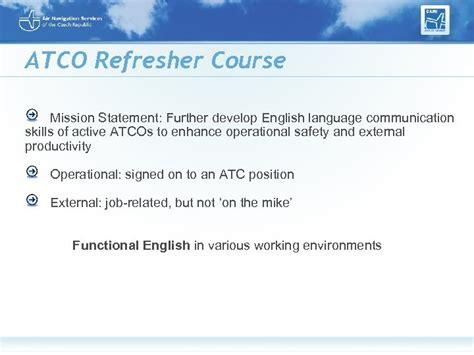
Miscommunication is a common issue in aviation incidents, and consistent use of approved phrases is essential to reduce these risks. Therefore, both the standard practices and emergency training should emphasize effective communication and approved phraseology. Training organizations should set clear objectives for this aspect.
Human factors training must cover team resource management, fatigue management, and stress management. The frequency and minimum duration of refresher training are outlined in the Unit Competency Scheme, a document approved by the relevant authority, usually the state’s civil aviation authority. Aligning refresher training with the timing of unit competence assessments can be a practical approach to ensuring effectiveness.