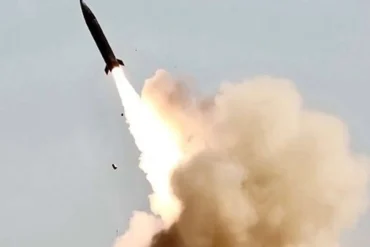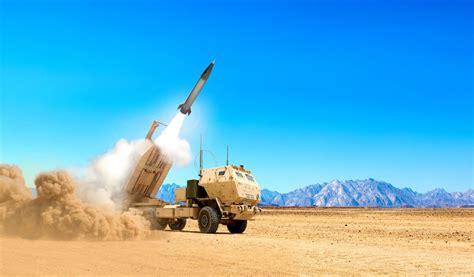
In a powerful display of advanced strike capability, the Australian Army has conducted its first live-fire test of the U.S.-manufactured Precision Strike Missile (PrSM) from a HIMARS rocket launcher. This landmark event took place during Exercise Talisman Sabre 2025 at the Mount Bundey Training Area in the Northern Territory, marking the first operational use of the PrSM by a foreign military. The successful test signifies a major leap in Australia’s long-range precision fire capabilities and aligns with the strategic imperatives outlined in the nation’s 2023 Defence Strategic Review.
A Historic Milestone in Australian Artillery
The launch was carried out by the 14th Regiment, Royal Australian Artillery, under the command of the newly established 10th Fires Brigade, headquartered in Adelaide. As part of Australia’s ongoing modernization efforts, this brigade has been tasked with integrating cutting-edge long-range strike systems into the country’s land forces. The event marks not just a successful weapons test but a moment of operational maturity — Australia has now joined a very short list of nations capable of deploying precision land-based strike systems with ranges exceeding 400 kilometers.
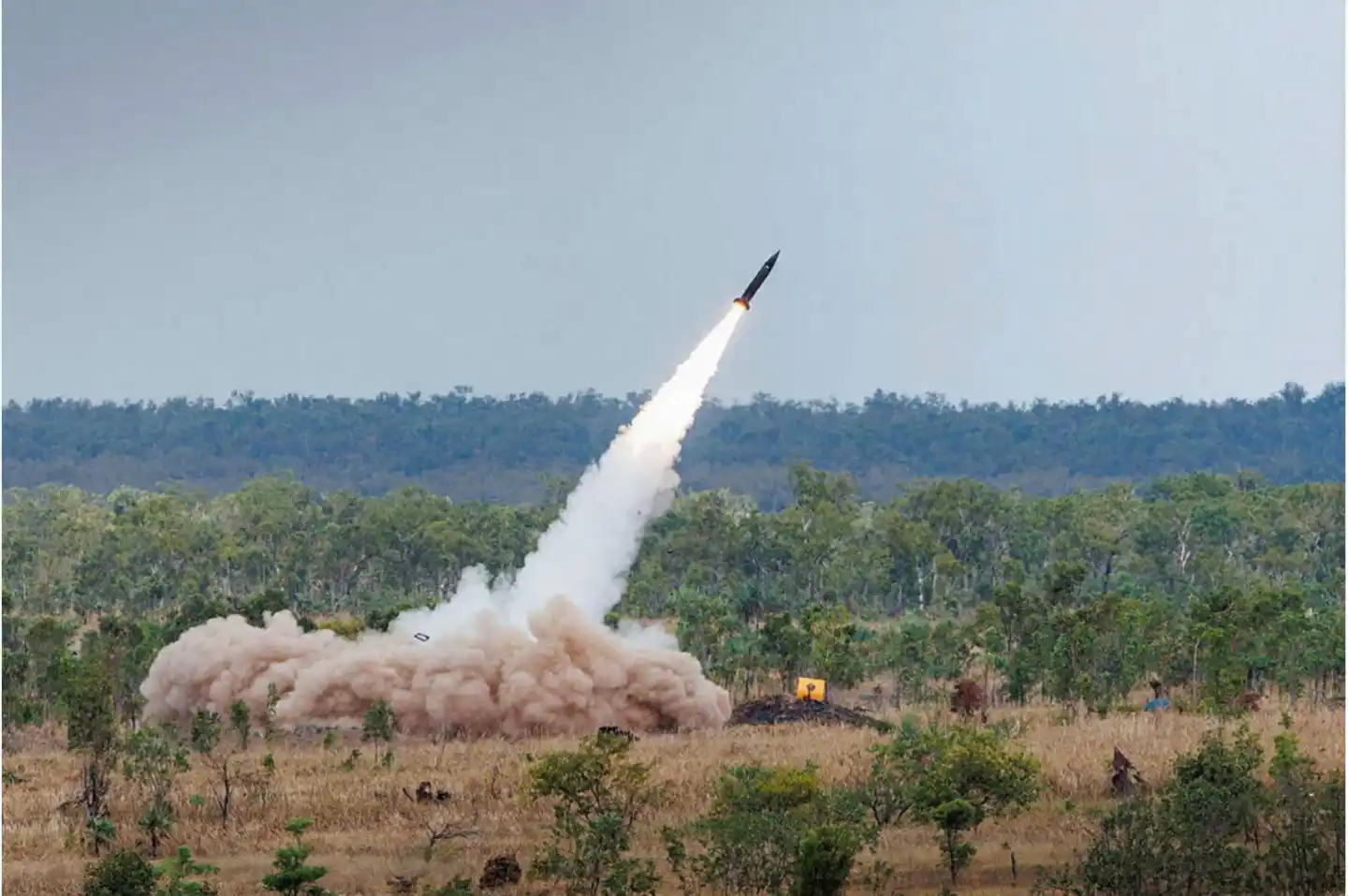
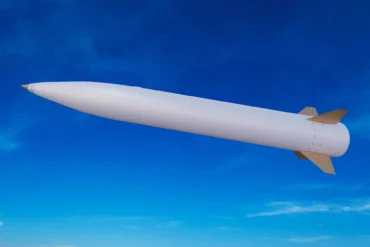
The Precision Strike Missile (PrSM) is a next-generation, surface-to-surface guided missile developed by Lockheed Martin for the U.S. Army. Designed to replace the aging Army Tactical Missile System (ATACMS), the PrSM is engineered for rapid, accurate strikes on high-value targets, including command posts, radar installations, and enemy logistics. While current PrSM variants offer ranges of over 400 kilometers, future versions are expected to exceed 500 kilometers, pushing the envelope of land-based strike warfare.
HIMARS and PrSM: A Lethal Synergy
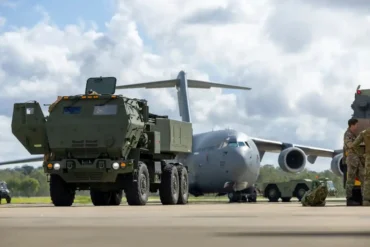
The High Mobility Artillery Rocket System (HIMARS) serves as the mobile launch platform for the PrSM, offering strategic flexibility and operational speed. HIMARS is mounted on a wheeled 6×6 chassis and is air-transportable via C-130 aircraft, making it a rapidly deployable asset in crisis scenarios. Each HIMARS launcher can carry either six GMLRS (Guided Multiple Launch Rocket System) rockets or a single tactical missile like the PrSM. While GMLRS provides strike capabilities up to 90 kilometers, the PrSM extends this reach dramatically, enabling deep-strike missions from safe standoff distances.
HIMARS’ digital integration allows seamless operation within joint and coalition force networks. With a small crew requirement and high mobility, it is especially suited for Australia’s vast and varied terrain, where dispersed and fast-moving units must act decisively.
Strategic Relevance: From Acquisition to Action
The live-fire event came less than five months after the March 2025 delivery of Australia’s first two HIMARS launchers. These were part of a $1.6 billion acquisition announced in response to strategic assessments from the 2023 Defence Strategic Review, which highlighted the need for long-range strike capabilities to deter aggression in the Indo-Pacific.
This rapid capability integration underscores not just the urgency of Australia’s defense recalibration, but also the agility of its procurement process. In total, 42 HIMARS launchers are on order, with the goal of fielding a robust, networked strike force able to contribute meaningfully to joint and allied operations.
Exercise Talisman Sabre 2025: The Ideal Battlefield
Exercise Talisman Sabre 2025 — one of the largest combined military exercises in the Indo-Pacific — provided the ideal environment to test the PrSM system in a live, joint, and multinational operational setting. Over 35,000 personnel from 19 countries participated in this year’s iteration of the biennial exercise, which is co-led by the Australian Defence Force and the United States Indo-Pacific Command.
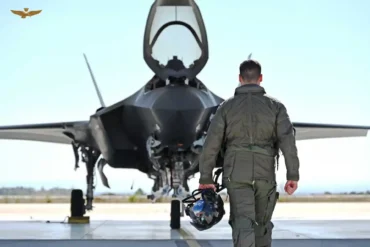
The firing was observed by senior military officials from participating nations, symbolizing both the maturity of the capability and Australia’s growing weight in the regional security architecture. The PrSM launch showcased not only technical execution but interoperability with key allies, especially within frameworks such as AUKUS and Five Eyes.
PrSM: A New Class of Strategic Weapon
The PrSM fills a critical niche in the spectrum of long-range fires. Unlike cruise missiles or manned air strikes, PrSM offers a cost-effective, fast-response precision strike from land-based assets. It is particularly effective in anti-access/area denial (A2/AD) environments, where air assets may be restricted. PrSM’s modularity allows for rapid development of future variants, including extended-range and sensor-fused munitions.
Key PrSM specifications:
- Range: Over 400 km (expected to exceed 500 km in future variants)
- Warhead: Unitary, high-explosive
- Launch Platforms: HIMARS, M270 MLRS
- Guidance: GPS/INS
- Target Profiles: Command nodes, radar systems, logistics hubs, integrated air defense systems
In the Indo-Pacific context, this gives Australia a new layer of deterrence and the ability to shape the battlespace without relying solely on air or naval forces.
Sovereign Capability and Industry Participation
While acquisition from the U.S. has fast-tracked operational readiness, Australia is not stopping at imports. The Albanese Government has pledged strong support for domestic weapons manufacturing, launching a guided weapons production initiative aimed at creating local capacity for HIMARS-compatible munitions — including the PrSM.
Construction of a missile manufacturing facility is already underway. This development forms part of the Guided Weapons and Explosive Ordnance (GWEO) enterprise, a key pillar in Australia’s push for sovereign industrial capability. Once operational, this facility will not only support national defense needs but will also open export pathways to trusted partners, boosting Australia’s economic and strategic standing.
The defense sector expects significant job creation and technology transfer from this initiative, further embedding advanced manufacturing within Australia’s industrial base. The potential for co-development with partners like the U.S. and U.K. also reinforces defense diplomacy.
Implications for Regional Security
Australia’s successful PrSM live fire is not merely a national milestone — it sends a clear message across the Indo-Pacific. As regional powers expand their strike capabilities, Australia is positioning itself as a credible force with real reach. By fielding long-range precision fires integrated into joint operations, Canberra increases its strategic value to the U.S. and allies and boosts its deterrence against coercive behaviors in the region.
This shift in posture is essential in a region witnessing rapid military modernization and rising tensions, particularly around the South China Sea and Taiwan Strait. Long-range strike capabilities, especially land-based ones like PrSM, offer flexible, scalable options in times of crisis.
The Future of Joint Strike in Australia
The success of this launch is only the beginning. Future iterations of the PrSM, including extended-range and multi-mode seeker versions, are already in development. These will further enhance Australia’s ability to conduct precision engagements across domains, especially when paired with satellite and drone surveillance systems.
Additionally, the 10th Fires Brigade and its subordinate units are expected to train extensively with U.S. forces, refining their tactics, techniques, and procedures (TTPs) to ensure complete interoperability. Over time, Australia may expand its PrSM inventory or integrate it with additional platforms, such as autonomous launch systems or mobile coastal defense batteries.
Australia’s investment in HIMARS and PrSM is not just about weapons. It’s about building a self-reliant, combat-credible force that can operate jointly and decisively in high-end conflict scenarios. This historic live-fire test marks a significant step toward that vision.
As tensions simmer in the Indo-Pacific, the message from Mount Bundey is unmistakable: Australia is ready to strike, and it now has the tools to do so with precision, reach, and reliability.