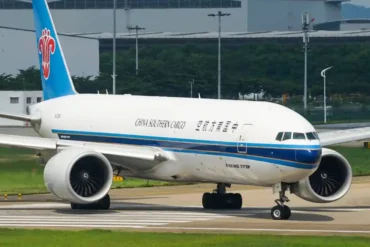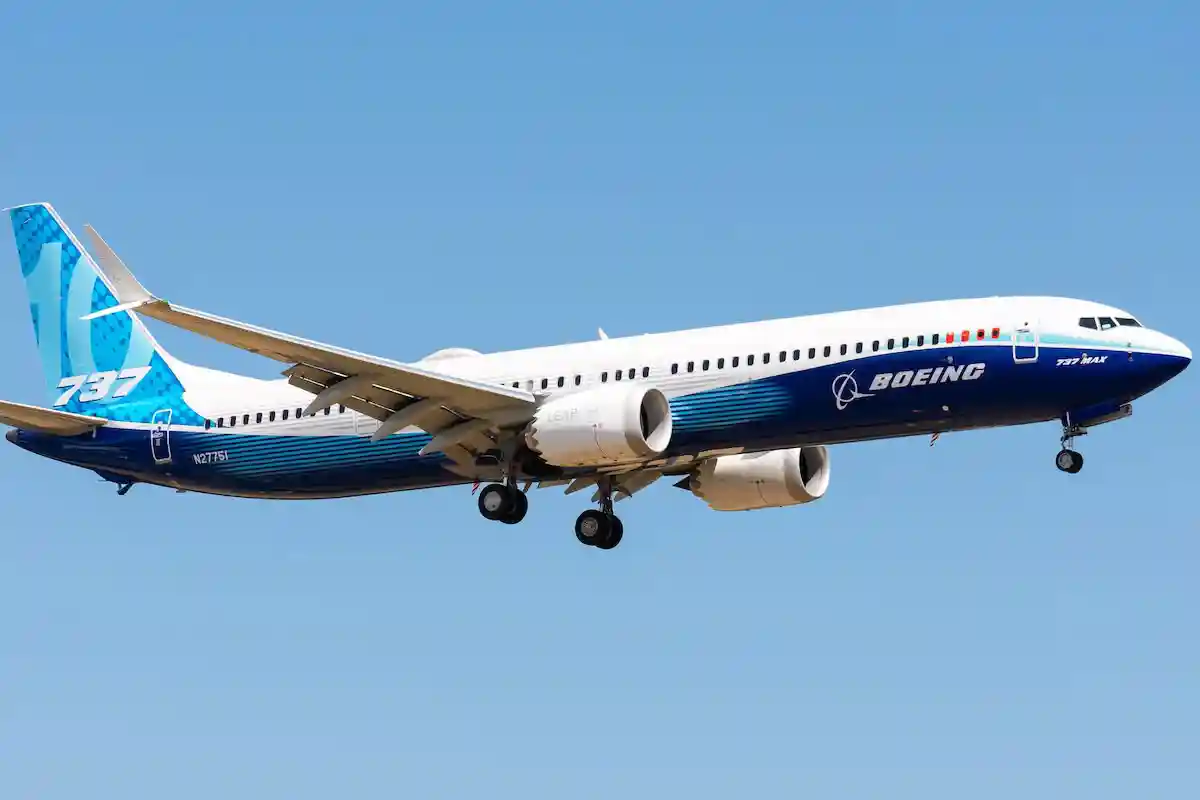
Boeing’s ambitious plan to secure a major aircraft order from China is reportedly at risk of falling apart as both sides remain locked in a dispute over engine parts, maintenance support, and long-term servicing guarantees. The proposed agreement, involving at least 200 commercial aircraft valued between $17 billion and $19 billion, was expected to mark Boeing’s biggest breakthrough in the Chinese market in nearly a decade.
The disagreement is not centered on aircraft pricing but on what happens after delivery. Beijing is seeking firm assurances that Chinese airlines will have reliable access to engines, spare parts, repairs, and technical support throughout the operational life of the aircraft. US officials, however, have pushed back, arguing that these additional guarantees were not included in the original framework of the agreement.
China Seeks Long-Term Aircraft Support Guarantees
China’s concerns reflect the strategic importance of aviation supply chains. Purchasing hundreds of Boeing aircraft would create a decades-long relationship between Chinese carriers and US-based suppliers responsible for critical components and maintenance services.
A source familiar with the negotiations reportedly explained that the main obstacle involves the broader support package rather than the aircraft themselves. Beijing wants confidence that its airlines will not become dependent on a foreign supply network that could potentially be affected by future political disputes or export restrictions.
The issue gained additional attention after previous US restrictions affected aviation-related technology exports. In 2025, export licensing measures temporarily impacted several aerospace components, including engines and systems connected to commercial aircraft programs. Although many restrictions were later eased, the situation highlighted China’s concerns about relying on overseas suppliers for essential aviation infrastructure.
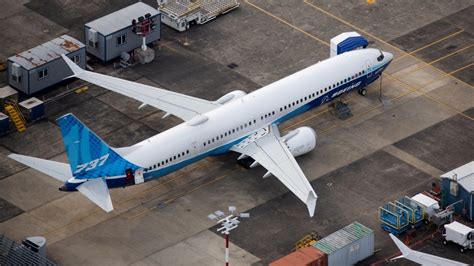
The Chinese government has previously stated that the aircraft agreement included “adequate supply guarantees” for engines and spare parts. However, Boeing and US officials have not publicly confirmed that such commitments were part of the final commercial arrangement, creating uncertainty around the deal’s future.
A Major Opportunity for Boeing’s China Recovery Strategy
For Boeing, the order represents more than a simple aircraft sale. China has historically been one of the company’s most important aviation markets, with airlines operating hundreds of Boeing jets across domestic and international routes.
Boeing CEO Kelly Ortberg has described the agreement as an initial stage of a potentially much larger relationship. Reports have suggested that China could eventually purchase between 300 and 500 additional aircraft, increasing the total order volume to around 700 jets if negotiations progress successfully.
A large-scale Chinese order would provide Boeing with a significant boost as it works to rebuild its position in one of the world’s fastest-growing aviation markets. However, unresolved issues surrounding maintenance, support agreements, and geopolitical risks could prevent the deal from moving forward.
Boeing’s Position in China Remains Under Pressure
The latest dispute highlights Boeing’s fragile position in China after years of turbulence. Relations between the aircraft manufacturer and Chinese aviation authorities have been affected by regulatory decisions, trade conflicts, and broader US-China tensions.
Following the two 737 MAX crashes in 2018 and 2019, China became the first major aviation regulator to ground the aircraft. The country later suspended many Boeing deliveries and orders, creating a significant setback for the manufacturer.
Deliveries gradually resumed in late 2023, with restarted 737 MAX deliveries beginning in early 2024. However, another pause occurred in 2025 following renewed trade tensions before deliveries restarted again.
China remains a critical market for Boeing, representing roughly 10% of the company’s commercial aircraft backlog. Yet Boeing has not secured a firm Chinese airline order since 2017, leaving the company vulnerable as competitors expand their presence.
Airbus Gains Ground as Boeing Faces Uncertainty
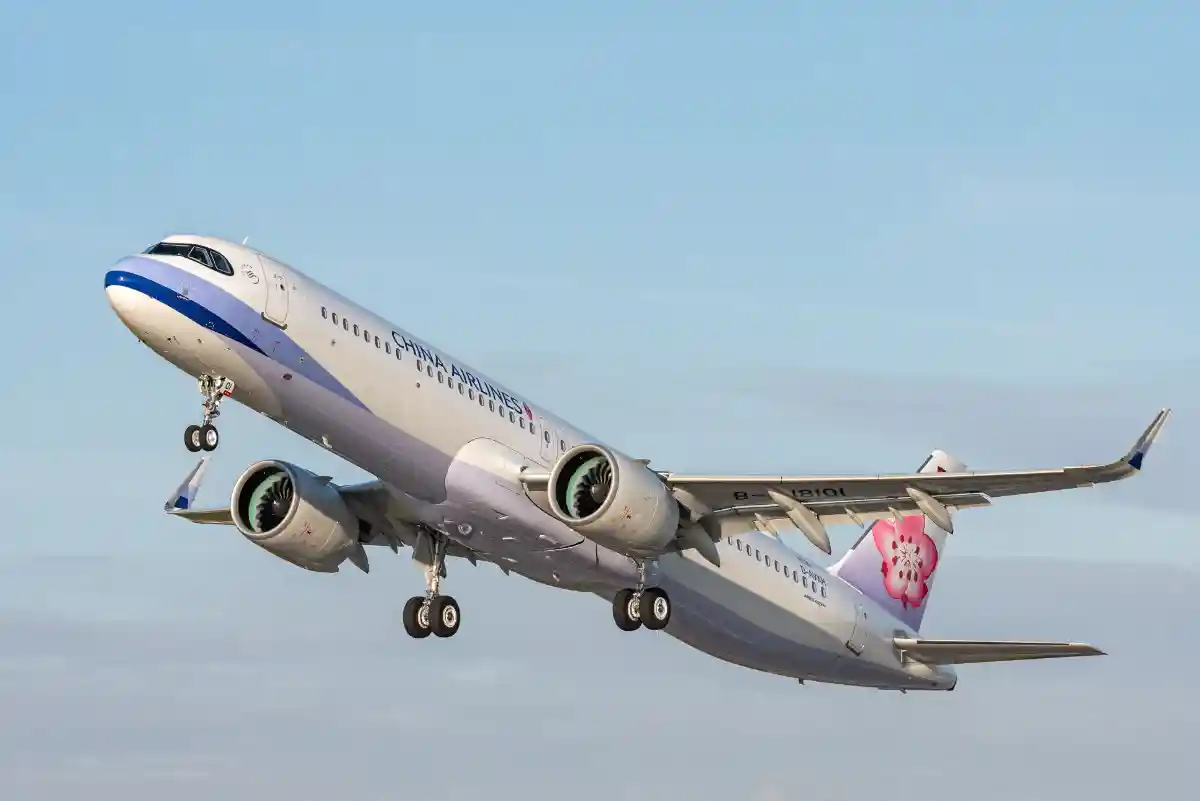
While Boeing struggles with negotiations, European rival Airbus has strengthened its position in China. Airbus now holds a majority share of the Chinese commercial aircraft market, with thousands of aircraft operated by Chinese airlines.
The European manufacturer has secured several major agreements recently, including large orders from major Chinese carriers for A320neo-family aircraft. These deals have allowed Airbus to capture growing demand while Boeing’s access to the market remains limited.
The outcome of Boeing’s China negotiations could influence the competitive balance between the two manufacturers for years. A successful agreement would restore Boeing’s momentum and potentially lead to hundreds of future aircraft sales. A collapse, however, could further accelerate China’s shift toward Airbus and domestic aircraft programs.
For now, the future of Boeing’s landmark China order depends on whether both sides can resolve the sensitive issue of long-term aviation support. The aircraft themselves may be ready to fly, but the bigger challenge remains ensuring the complex network of engines, parts, and services needed to keep them operating for decades.