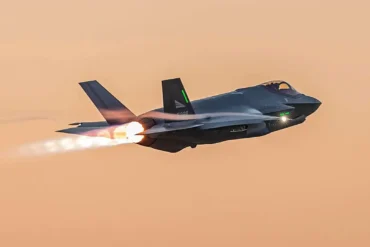
In the wake of a dramatic escalation in U.S.-Iran tensions, British military bases across the Middle East and at home have been placed on the highest possible alert amid growing fears of Iranian drone swarm attacks. Defence Secretary John Healey confirmed that force protection levels are now at their peak, following the U.S. airstrikes on Iranian targets in the early hours of Sunday morning, which risk spiraling into a wider regional conflict.
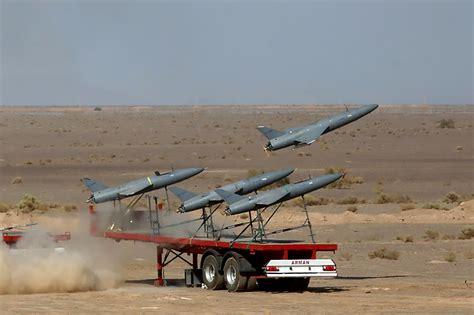
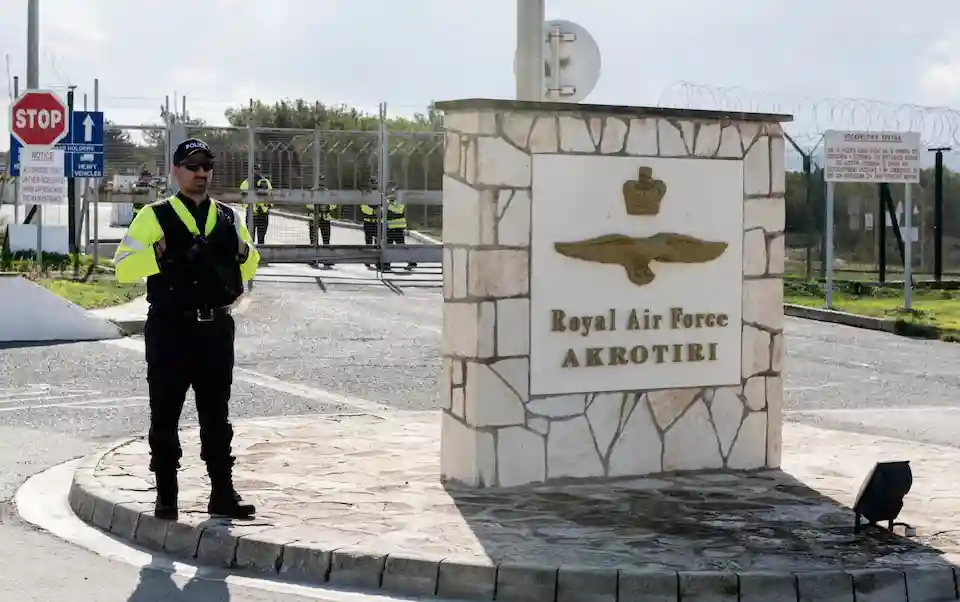
British forces, including those stationed at RAF Akrotiri in Cyprus, naval installations in Bahrain and Oman, and shared operational hubs in Qatar and the UAE, have bolstered security protocols in response to intelligence indicating a potential retaliatory wave of drone and missile strikes, potentially utilizing Iran’s increasingly sophisticated Shahed-series drones.
Iran’s Drone Arsenal: The Expanding Threat
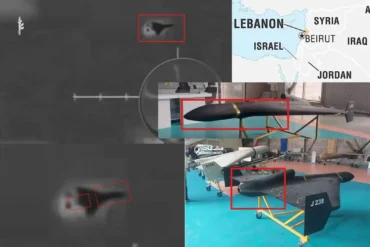
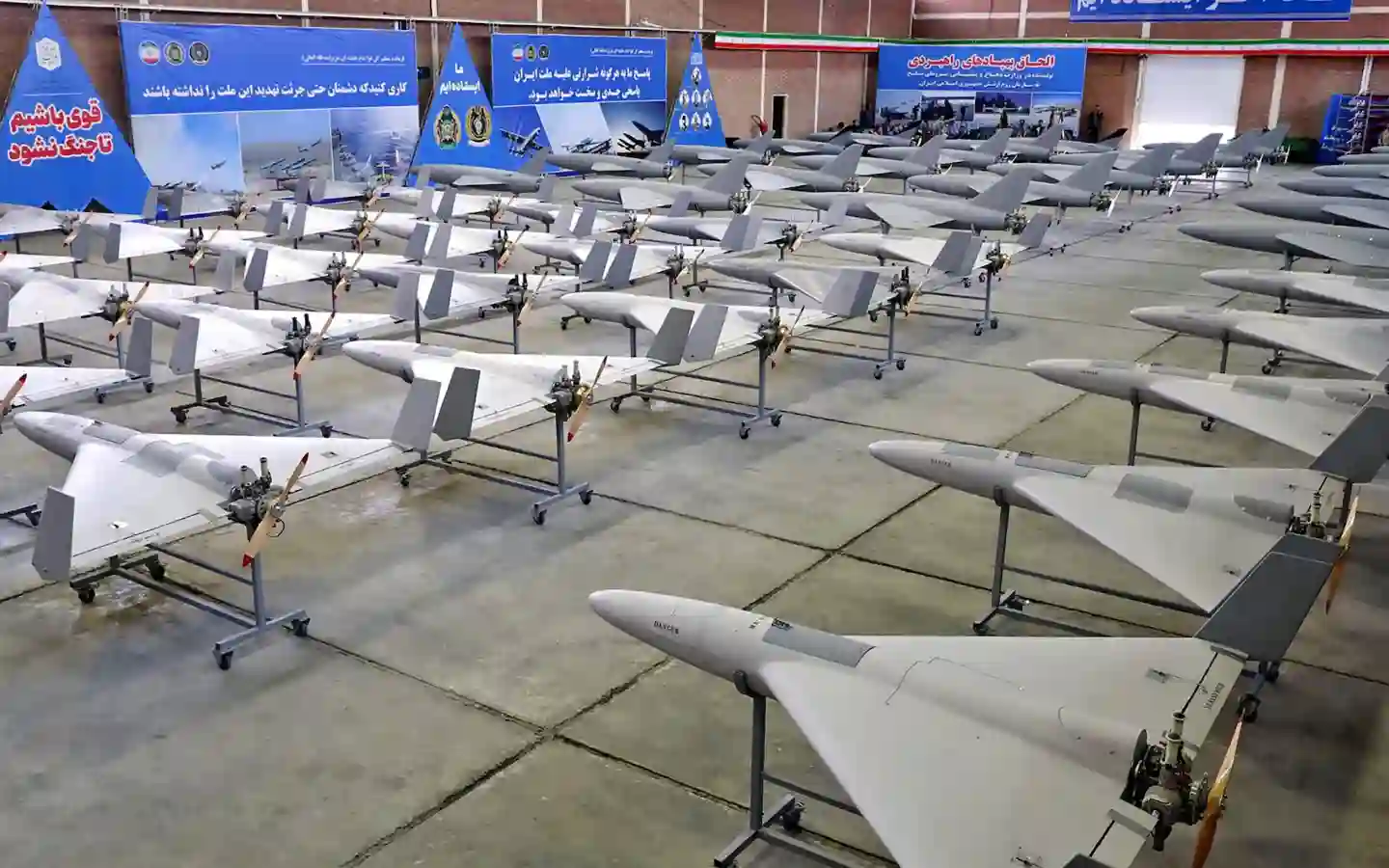
The Shahed-136, a loitering munition developed by Iran, has emerged as a signature weapon in Tehran’s asymmetric warfare doctrine. Originally outfitted with payloads intended to damage infrastructure, newer iterations of the drone are now equipped with fragmentation charges and thermobaric warheads—specifically designed to inflict mass casualties and penetrate hardened targets. Iranian forces have previously deployed these UAVs with devastating effect in Ukraine, where they were supplied to Russia, damaging critical infrastructure and sowing panic across targeted zones.
More recently, Iran has launched similar drones against targets in Israel, further confirming the operational range and threat potential of its drone fleet. These incidents have served as case studies for Western defence strategists, highlighting both the speed and unpredictability of swarm-style drone assaults.
Heightened Protection Across British Installations
According to senior defence officials, UK forces in the region are now undergoing extensive force protection reviews. Although no specific or imminent threat has yet been verified, the alert encompasses a broad array of possible attack vectors, from traditional rocket and missile launches to IEDs and cyber-intrusions.
Among the enhanced countermeasures now in place:
- Increased personnel patrols, including deployment of armed security units around sensitive areas
- Expansion of live ammunition protocols for all soldiers stationed on base
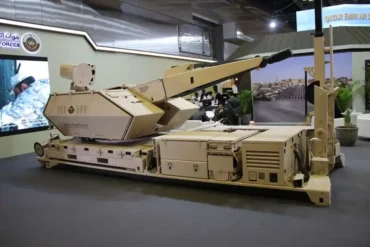
- Accelerated deployment of early-warning radar systems and electronic countermeasures
- Reinforcement of perimeter defences, particularly at installations like RAF Brize Norton, recently targeted by intruders
RAF Akrotiri: A Frontline British Stronghold
RAF Akrotiri, situated on the southern coast of Cyprus, plays a central role in UK military operations across the region. Currently hosting 14 Royal Air Force jets, the base is strategically positioned for quick-response sorties across the Middle East. It has long served as a launchpad for counter-terrorism missions in Syria and Iraq.
However, it is now under intense scrutiny. A British citizen was arrested in Cyprus just this weekend on charges of spying on behalf of Iran, signaling a concerning uptick in foreign intelligence activities around British military infrastructure.
The Brize Norton Breach: A Domestic Wake-Up Call
Back home, RAF Brize Norton in Oxfordshire—the UK’s largest RAF base—was breached by Palestine Action protestors who infiltrated the base’s poorly protected perimeter and vandalized two aircraft. This shocking incident exposed significant weaknesses in domestic base security, drawing fierce criticism from lawmakers and analysts.
The breach was facilitated by a 6-foot wooden fence, protected from the main road by nothing more than a row of short bollards. The lack of surveillance and ground patrols allowed the group to infiltrate the airfield and spray aircraft with red paint, raising alarm over the UK’s readiness to repel even low-level intrusions.
A Nation on Edge: Domestic Drone Threats
Even within the UK, concerns have surged regarding the possibility of coordinated drone attacks. Last year, British troops were dispatched to multiple US-run bases on British soil following reports of unidentified drones flying over secure military airspace. Although the origin of these drones remains undetermined, military intelligence is actively exploring the possibility of state-sponsored surveillance or sabotage, potentially from Russia or Iran.
Strategic Review and Technological Response
In response to these evolving threats, the UK Ministry of Defence has initiated a comprehensive review of base security, both abroad and at home. The review specifically calls out Brize Norton as a high-priority site for urgent investment, recommending substantial upgrades to its logistics, munitions storage, and physical defences.
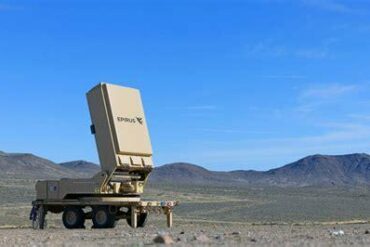
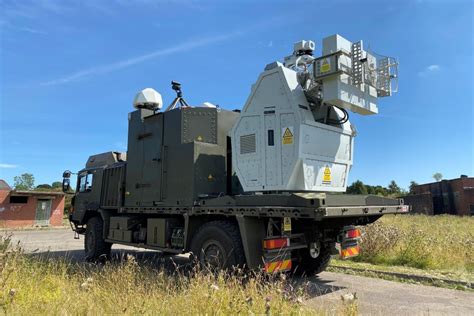
In tandem, the British Army has been experimenting with drone-suppression technologies. A recent trial in Wales demonstrated the successful deployment of radio wave weaponry capable of dismantling a drone swarm in mid-air. This breakthrough, combined with a £100 million commitment to a land drone swarm programme, is expected to reshape the UK’s defensive capabilities in the coming years.
The Iran Factor: Strategic and Political Dimensions
Iran’s role in supplying drones to proxy groups and hostile states makes it a central concern in UK military planning. Whether through direct strikes or asymmetric retaliation via regional allies, Tehran continues to wield influence far beyond its borders. The recent U.S. bombing campaign, undertaken unilaterally, has exacerbated tensions, and while Tehran’s official statements have so far singled out American targets, UK installations may still face collateral risk or targeted retaliation as part of a broader escalation.
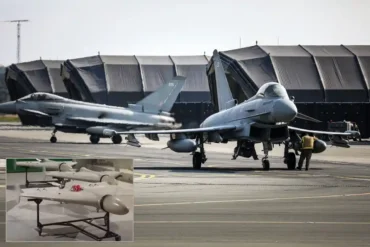
Defence Secretary Healey has taken a strong stance, emphasizing that the “safety of UK personnel and bases is my top priority.” Additional RAF jets have been deployed across the region as a deterrent and rapid-response force, including Typhoons capable of intercepting incoming UAVs or missile systems.
Conclusion: Fragile Balance in a Volatile Region
The convergence of geopolitical instability, technological proliferation, and domestic vulnerabilities has placed Britain’s armed forces on a precarious footing. As Iran expands its drone warfare capabilities, the UK must act decisively to harden its global military footprint.
The defence estate, both at home and abroad, now stands at a pivotal crossroads. In the words of a senior Ministry of Defence official, “It is not a question of if, but when, unmanned threats breach our defences. We must build resilience, or we will face devastating consequences.”
For now, British bases remain on maximum alert, shadowed by the threat of swarming drones, and the world watches anxiously to see whether the Middle East will ignite into full-scale conflict—or if preparedness and deterrence will prevail.