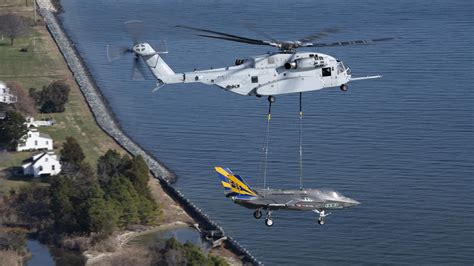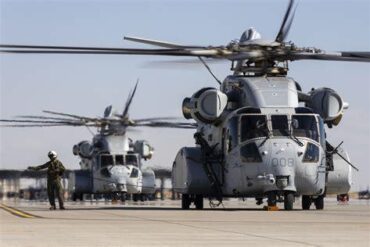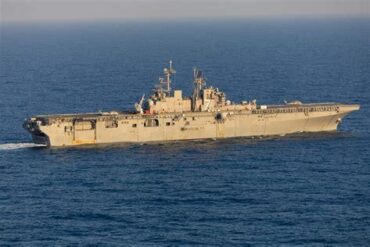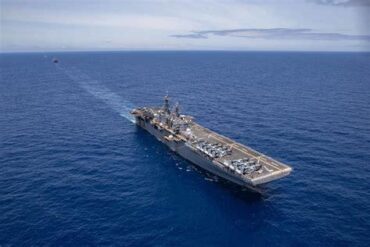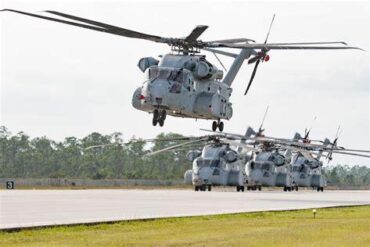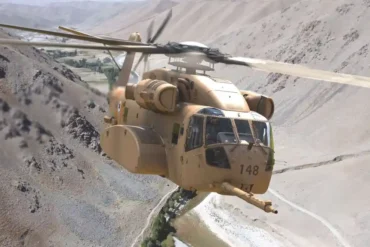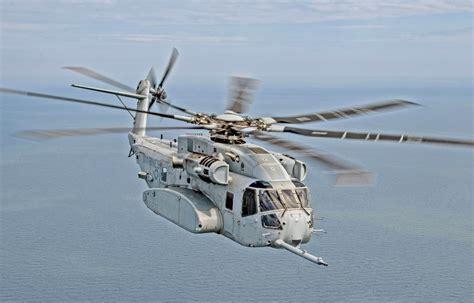
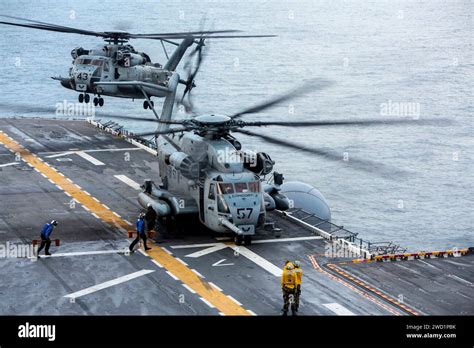
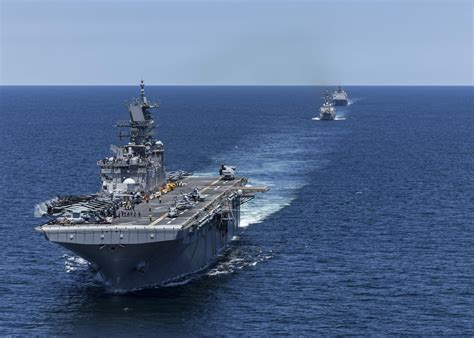
The CH-53K King Stallion, the newest heavy-lift transport helicopter of the U.S. Marine Corps, has officially commenced shipboard flight operations aboard the USS Iwo Jima (LHD 7), a Wasp-class amphibious assault ship, during the latest Composite Training Unit Exercise (COMPTUEX) in the Atlantic Ocean. This event, confirmed by the U.S. Department of Defense on July 10, 2025, marks a transformational shift in the U.S. Navy’s amphibious aviation capabilities and operational doctrine.
Developed by Sikorsky, a Lockheed Martin company, the CH-53K is designed to dominate the heavy-lift domain, replacing the aging CH-53E Super Stallion fleet. Having entered service officially in April 2022, the King Stallion is envisioned as the backbone of future expeditionary advanced base operations (EABO) and distributed maritime operations (DMO), doctrines emphasizing operational dispersal and rapid deployment across contested environments.
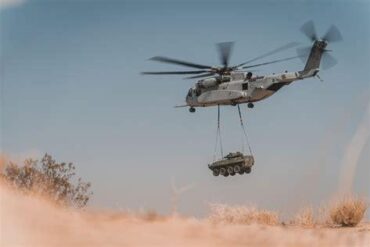
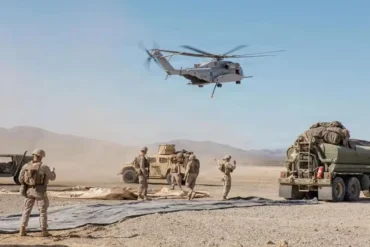
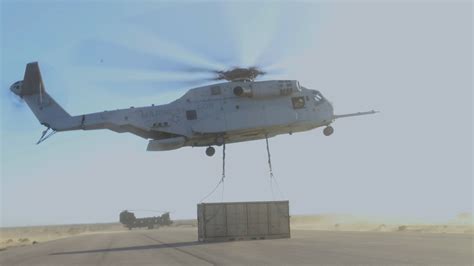
Unlike its predecessor, the CH-53K delivers unmatched lift performance, capable of transporting up to 36,000 pounds (16,330 kilograms) externally — effectively tripling the payload of the CH-53E. Its wider cargo cabin facilitates the internal carriage of a Humvee or light armored vehicles, supplemented by configurations accommodating 37 seated troops or 55 personnel using centerline seating. This flexibility underscores the helicopter’s multi-mission versatility.
Advanced Avionics and Enhanced Survivability: CH-53K’s Technical Edge
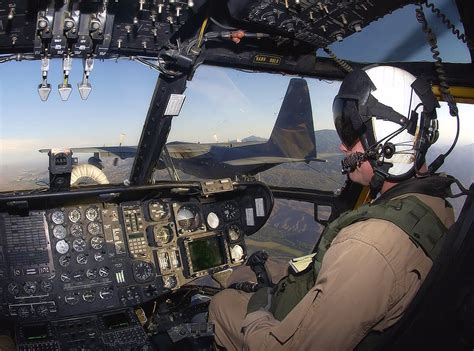
At the technological core of the CH-53K are its three General Electric T408-GE-400 turboshaft engines, providing unparalleled power. Integrated fly-by-wire flight controls deliver improved responsiveness, precision handling, and reduced pilot workload, essential during high-tempo ship-to-shore operations. Complementing this is a fully integrated glass cockpit paired with advanced composite rotor blades, ensuring superior flight stability and structural resilience.
The CH-53K also integrates sophisticated survivability systems. Equipped with infrared countermeasures, ballistic protection, and crashworthy seating, the aircraft can operate deep in hostile environments. Redundant flight-critical systems guarantee mission continuity even under fire, and its digital mission architecture enables networked operations, real-time data fusion, and mission management within larger joint force structures.
Strategic Role in Amphibious and Expeditionary Operations
Primarily engineered for ship-to-shore heavy lift, deep inland logistical support, casualty evacuation, vehicle transport, and special operations insertion, the CH-53K positions itself as a keystone platform in executing U.S. military strategy. With a combat radius of 110 nautical miles (204 kilometers) carrying full external payload, the helicopter dramatically extends the operational reach of U.S. amphibious forces.
Its role during COMPTUEX — the U.S. Navy’s intensive pre-deployment certification exercise — is more than symbolic. The exercise simulates high-intensity, multi-domain warfare, evaluating readiness across air, surface, subsurface, and cyber domains. Embarking the CH-53K aboard the USS Iwo Jima within the Iwo Jima Amphibious Ready Group (ARG) offers real-world validation of its integration capabilities. The ARG, comprising the USS Iwo Jima (LHD 7), USS New York (LPD 21), and USS Carter Hall (LSD 50), operates alongside the 22nd Marine Expeditionary Unit (MEU) — a balanced Marine Air-Ground Task Force (MAGTF) encompassing infantry, aviation, logistics, and command elements.
By embedding the CH-53K in this environment, the U.S. Navy and Marine Corps demonstrate their commitment to fielding next-generation aviation assets capable of supporting operations from crisis response to high-end maritime conflict. The CH-53K’s lift superiority, digital connectivity, and survivability ensure its central role in emerging expeditionary warfare paradigms.
Modernizing Naval Aviation: CH-53K’s Role in Force Design
Beyond operational prowess, the CH-53K plays a significant role in future U.S. Navy force design and Marine Corps aviation modernization. Its capability to rapidly insert and extract heavy vehicles, supplies, and troops across dispersed operating zones aligns with the strategic shift towards smaller, agile, and harder-to-target operational units. The helicopter’s advanced connectivity facilitates seamless interoperability with other joint platforms, including unmanned aerial systems, naval surface ships, and land-based command structures.
The inclusion of the CH-53K in fleet exercises allows Navy leadership to assess not only tactical effectiveness but also logistical, maintenance, and operational support structures necessary for sustained deployments. This process informs decisions on future resource allocation, platform acquisition, and technological investments, ensuring the CH-53K’s enduring contribution to multi-domain combat operations.
Tactical Impact: Redefining Heavy-Lift Helicopter Missions
From transporting light armored vehicles during amphibious assaults to supporting special forces insertions in contested inland areas, the CH-53K provides a transformative increase in operational options. Its external lift capabilities streamline the rapid movement of critical assets, while its internal transport versatility allows protected carriage of equipment and personnel during longer transits. Whether operating from large-deck amphibious assault ships like the USS Iwo Jima or forward-positioned expeditionary platforms, the King Stallion ensures continuous support to frontline forces.
In complex mission environments, the CH-53K’s networked digital mission suite provides actionable battlefield awareness, allowing dynamic rerouting, threat avoidance, and real-time command updates. Such connectivity is indispensable in distributed operations, where units must operate autonomously yet in concert with broader force elements.
Conclusion: A New Era in Marine Corps Heavy-Lift Aviation
The successful shipboard operations of the CH-53K during COMPTUEX mark a decisive advancement in U.S. amphibious warfare capability. By replacing the CH-53E, the King Stallion does not merely extend existing capabilities but redefines them. Its superior payload, digital systems, and operational flexibility ensure that Marine Corps aviation remains prepared to support the full spectrum of operations — from humanitarian assistance missions to sustained combat engagements in contested environments.
With the CH-53K now integrated into the Iwo Jima ARG’s operational framework, the U.S. Navy and Marine Corps solidify their position at the forefront of expeditionary and amphibious warfare innovation. As the helicopter continues its deployment cycle and operational testing, it stands as a symbol of technological evolution and strategic foresight — a clear demonstration of American resolve to maintain maritime superiority in an era of accelerating global competition.