The Class B airspace structure in the United States represents a critical pillar of the national aviation system, specifically engineered to enhance safety around the country’s most high-traffic airports. By adhering to the International Civil Aviation Organization (ICAO) airspace designation, the Federal Aviation Administration (FAA) ensures that the busiest terminals operate within a framework that prioritizes structured air traffic management and collision avoidance protocols.
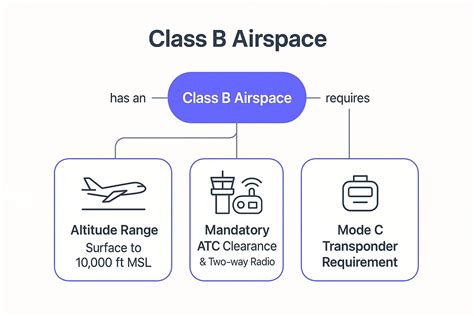
In contrast to other classifications, Class B airspace mandates strict operating requirements. All aircraft entering this zone, whether under Instrument Flight Rules (IFR) or Visual Flight Rules (VFR), must maintain two-way radio communication and obtain explicit clearance from Air Traffic Control (ATC) before entry. Pilots must be identified on radar and instructed by ATC personnel, underscoring the controlled and highly supervised nature of this environment.
The visual depiction of Class B airspace often resembles an “upside-down wedding cake,” where concentric layers expand outward and upward from the primary airport. The innermost ring typically extends from ground level to 10,000 feet Mean Sea Level (MSL), encapsulating the busiest areas of flight operations.
Purpose and Function of Class B Airspace
The primary mission of Class B airspace is to shield the critical arrival and departure corridors around major airports from potential conflicts with uncontrolled aircraft. This airspace design ensures a significant reduction in the risk of midair collisions, particularly given the complex interactions of commercial, general aviation, and military traffic that often occur near large urban centers.
Within the boundaries of Class B, pilots must adhere to stringent requirements including possession of a Mode C transponder and an operational two-way radio. Aircraft must also meet specific pilot certification standards, often requiring at least a private pilot certificate to operate within the airspace, with limited exceptions for student pilots under strict conditions.
Key Characteristics of Class B Airports
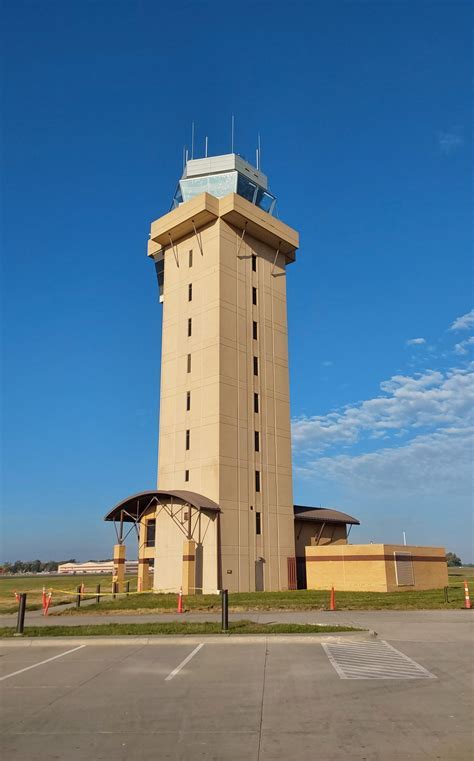
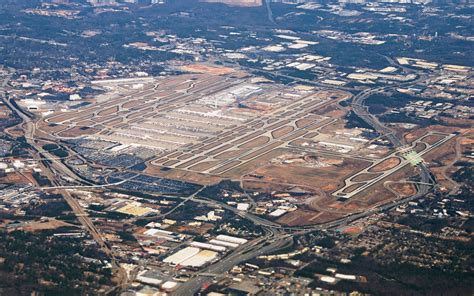
The airports designated under Class B airspace are recognized for their extremely high volume of operations, measured both by commercial passenger traffic and aircraft movements. Some distinguishing characteristics include:
- High-density air traffic, often including multiple simultaneous runways in use.
- Sophisticated air traffic control facilities, capable of handling vast volumes of IFR and VFR flights.
- Complex approach and departure procedures managed through specialized Standard Terminal Arrival Routes (STARs) and Standard Instrument Departures (SIDs).
By enforcing these rigorous operational standards, Class B airports maintain efficiency and uphold safety despite handling thousands of movements daily.
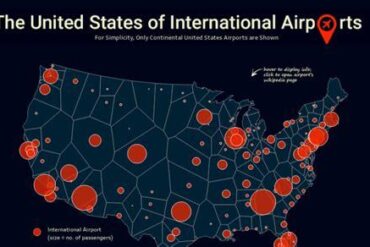
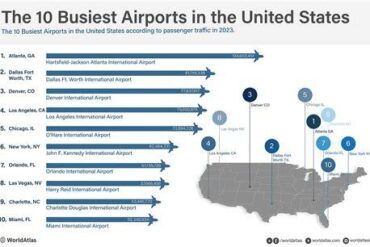
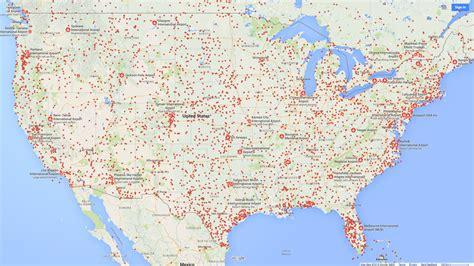
As of January 2023, there are 37 Class B airports across the United States, strategically positioned to manage the nation’s busiest airspace hubs. Notable examples include:
- Phoenix Sky Harbor International Airport (PHX/KPHX) in Arizona
- Los Angeles International Airport (LAX/KLAX) in California
- Denver International Airport (DEN/KDEN) in Colorado
- Hartsfield–Jackson Atlanta International Airport (ATL/KATL) in Georgia
- Chicago–O’Hare International Airport (ORD/KORD) in Illinois
- Miami International Airport (MIA/KMIA) in Florida
- New York–John F. Kennedy International Airport (JFK/KJFK) and LaGuardia Airport (LGA/KLGA) in New York
These airports not only serve as major domestic and international gateways but also form the backbone of the national airspace system’s busiest corridors.
Misconceptions About Class B Airspace
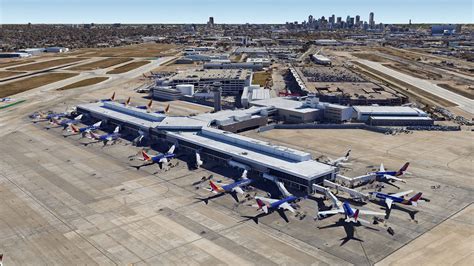
One common misconception is that certain busy or significant airports automatically qualify as Class B facilities. However, this is not always the case. For example, Nellis Air Force Base (LSV/KLSV) and Dallas Love Field (DAL/KDAL) are not independently designated as Class B airports. Instead, the Class B airspace from nearby primary airports—Harry Reid International Airport (LAS/KLAS) and Dallas/Fort Worth International Airport (DFW/KDFW) respectively—has been extended to encompass them within their surface areas.
This approach ensures uniform airspace management without the administrative complexity of designating multiple overlapping Class B zones.
Structural Layout of Class B Airspace Zones
Class B airspace is meticulously crafted to accommodate layered levels of entry, with each “shelf” expanding outward at ascending altitudes. This structure allows:
- Local traffic not destined for the Class B airport to transition under or around the airspace.
- Arriving and departing flights from smaller regional airports to integrate seamlessly without conflicting with primary traffic flows.
- Military operations and special use airspace to coexist efficiently with civil aviation.
Each Class B airspace structure is tailored specifically to the operational requirements of its associated airport and surrounding airspace users.
Operating Within Class B Airspace
Pilots operating under Visual Flight Rules (VFR) must receive explicit ATC clearance before entering a Class B airspace. This clearance is not merely advisory; it is a positive clearance required to legally enter the zone. Meanwhile, Instrument Flight Rules (IFR) traffic is continuously under ATC control and receives routing and altitude assignments throughout their transitions.
Operating within Class B also imposes speed restrictions, notably the 200-knot limit when flying within the airspace underlying a Class B area or in a VFR corridor.
Class B Airports: Strategic National Importance
The collective network of Class B airports serves as the strategic arteries of the U.S. air transportation system. They form the nexus points for international arrivals, heavy domestic routes, and crucial cargo operations. Their airspace management techniques influence:
- National airspace planning and congestion management
- Emergency diversion protocols for enroute aircraft
- Military and special mission integration
The influence of Class B airspace extends far beyond their immediate geographical regions, impacting air traffic patterns nationwide.
Conclusion: The Backbone of U.S. Aviation Safety
Class B airports embody the essential balance between airspace complexity, traffic density, and aviation safety. Through rigid structure, highly skilled air traffic controllers, and detailed pilot compliance requirements, these airports maintain some of the highest operational standards globally. Understanding and respecting the intricacies of Class B airspace remains a cornerstone for every pilot navigating the U.S. National Airspace System.
As aviation continues to evolve, Class B airports will remain at the forefront, adapting to emerging technologies, increasing traffic demands, and ensuring the safety of millions who take to the skies each year.