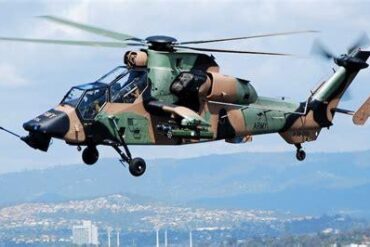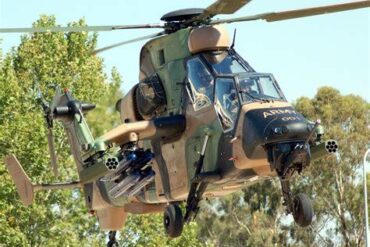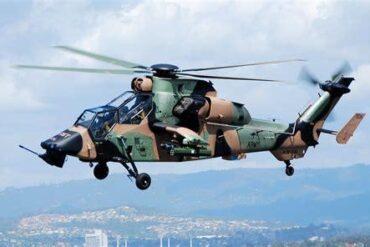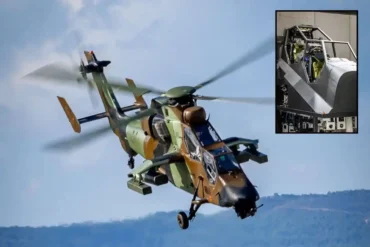
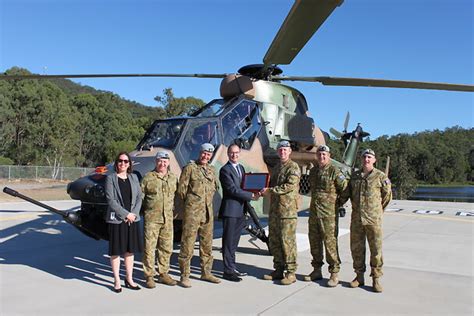
On July 16, 2025, during the multinational Exercise Talisman Sabre, the Australian Army’s long-troubled Tiger Armed Reconnaissance Helicopter (ARH) suffered a hard landing at the Bradshaw Training Area in Australia’s Northern Territory. Although both crew members escaped unharmed, the incident led to an immediate fleet-wide grounding and a full safety investigation by the Defence Flight Safety Bureau. This latest mishap adds another chapter to the Tiger ARH’s troubled operational history and could potentially accelerate Australia’s shift to the U.S.-built AH-64E Apache Guardian.
Australia’s Enduring Tiger Problems and Modernization Deadlines
Australia’s Tiger ARH fleet was acquired under Project AIR 87 Phase 2, with 22 airframes delivered starting in 2001. Based on the French Tiger HAP design but adapted to meet Australian requirements, the helicopters incorporated AGM-114 Hellfire II missiles, roof-mounted laser designators, and enhanced communications datalinks. Powered by twin MTR390 turboshaft engines, the Tiger ARH offers a top speed of 290 km/h and a combat radius of about 800 km, alongside a formidable weapons suite comprising a 30mm Nexter cannon, 70mm rockets, and Mistral air-to-air missiles.
Despite its advanced armament and systems integration, the Tiger ARH has been persistently plagued by reliability and sustainment challenges. Originally slated to achieve Final Operational Capability (FOC) by 2009, that milestone was only achieved in 2016 due to protracted delays involving software development, flight control instability, and critical maintenance bottlenecks. Notably, the platform’s heavy reliance on European-based supply chains and a lack of sovereign maintenance capability for core systems like powertrains continually compromised its operational availability.
Structural Concerns After Bradshaw Incident
Following the Bradshaw Training Area hard landing, Defence technical specialists commenced detailed inspections focusing on possible rotor mast and landing gear stress damage. The composite airframe design, although lightweight and stealth-oriented, presents inherent vulnerabilities when subjected to intense operational tempo and harsh environments like northern Australia. Engineers are particularly attentive to signs of microfractures, fatigue stress, and compromised structural integrity—risks exacerbated by prior incidents such as the 2019 Queensland emergency landing and the 2024 German Tiger crash in Mali, which had led to widespread grounding across multiple NATO forces.
Apache Guardian: Australia’s Strategic Alternative
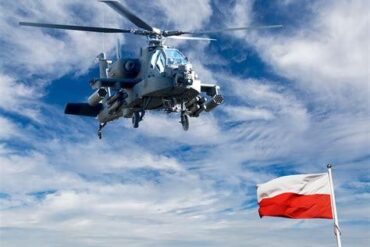
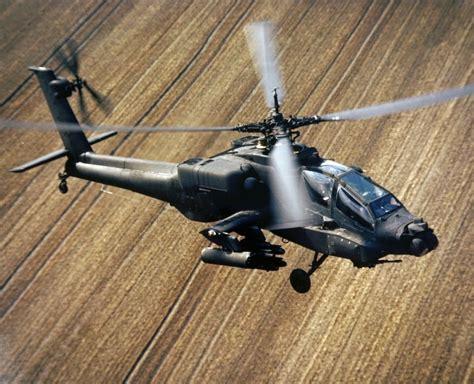
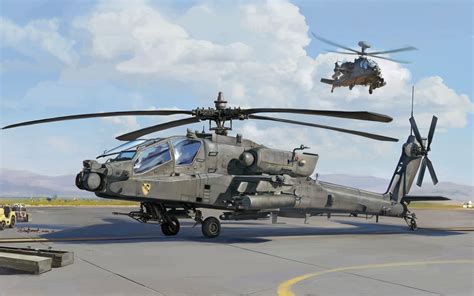
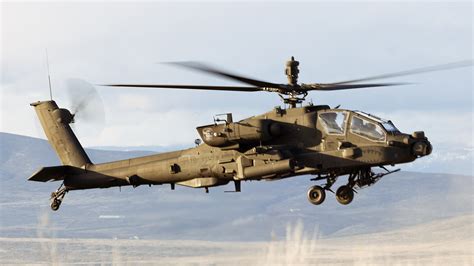
Parallel to the Tiger’s woes, Australia has been proactively transitioning toward the Boeing AH-64E Apache Guardian under the LAND 4503 Armed Reconnaissance Capability program. The 4.5 billion USD contract covers 29 helicopters scheduled for phased delivery from late 2025, including associated weapons systems, training simulators, and a comprehensive sustainment package managed by Boeing Defence Australia.
The AH-64E represents the latest and most advanced iteration of Boeing’s proven Apache platform, integrating GE T700-GE-701D engines, composite rotor blades, and an open-systems avionics architecture. Core features include:
- AN/APG-78 Longbow Fire Control Radar
- Manned-Unmanned Teaming (MUM-T) capability
- Advanced sensor fusion and networking
- Superior survivability and battle resilience
Optimized for multi-domain operations, the AH-64E has demonstrated robustness across global theaters, aligning seamlessly with Australia’s requirements for maritime, tropical, and austere deployments. Its open architecture permits continual upgrades, while its sustainment ecosystem promises improved fleet readiness and reduced dependency on foreign supply chains.
Environmental and Operational Imperatives Driving Change
Operational conditions in Australia’s Northern Territory and broader Indo-Pacific region demand airframes capable of withstanding extreme temperatures, abrasive dust, and salt-laden coastal air. The Tiger ARH, conceived for temperate European climates, consistently struggled under these conditions. Frequent component wear, avionics degradation, and structural fatigue have made sustained frontline operations challenging, at odds with Australia’s forward defense strategy and its increasing commitment to regional security missions.
In contrast, the AH-64E’s ruggedized design, combat-tested components, and extensive support infrastructure offer clear advantages. From real-time UAV control in its cockpit to high-tempo sortie generation, the Apache embodies the future-proofed solution the Australian Army increasingly requires.
Could the Bradshaw Crash Accelerate Apache Deliveries?
The critical question facing Australian defence planners now is whether the Tiger’s latest hard landing could trigger an accelerated acquisition of the AH-64E Apache Guardian. Under current projections, initial deliveries will commence in late 2025. However, the unexpected Tiger fleet grounding, compounded by operational gaps identified during Exercise Talisman Sabre, may prompt urgent contingency actions.
Sources suggest Defence is exploring options to mitigate the capability vacuum:
- Expedited AH-64E airframe deliveries via adjusted U.S. Foreign Military Sales (FMS) schedules
- Temporary assignment of U.S.-based Apache units to Australian training operations
- Advanced weapons and simulation systems procurement to accelerate crew conversion timelines
An accelerated Apache acquisition would mitigate strategic risks during this pivotal transition phase, ensuring Army Aviation maintains combat readiness amid rising regional tensions and growing interoperability demands with allies such as the United States and Japan.
A Fleet’s Final Days and A New Chapter
As technical investigations proceed at Bradshaw, few defence insiders expect the Tiger ARH to regain its previously limited operational tempo. The aircraft’s reputation for maintenance headaches, flight software glitches, and sustainment vulnerabilities now appears terminal. Within the next year, the Tiger is likely to be permanently relegated to training roles or early retirement, leaving the Apache Guardian to define Australia’s next generation of armed reconnaissance capabilities.
The hard landing incident serves as both a cautionary tale and a timely validation of Australia’s decision to invest in the AH-64E Apache Guardian. With regional security dynamics shifting rapidly, the urgency to field a capable, reliable, and battle-tested rotary-wing strike force has never been more acute.