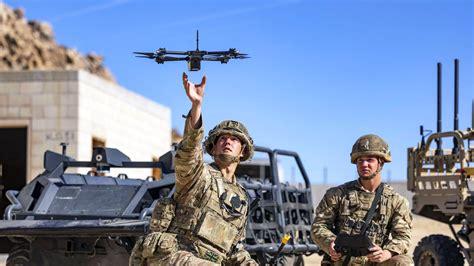
Across the vast expanse of the Indo-Pacific, a new military contest is unfolding in the skies—one defined not by traditional fighter jets alone, but by unmanned aerial vehicles (UAVs). These systems, commonly called drones, are rapidly reshaping how surveillance, reconnaissance, and strike missions are conducted across the world’s most strategically contested region. For decades, the United States held a commanding lead in drone warfare technology, but recent developments have prompted growing concern in Washington about whether that advantage is slipping.
Military planners increasingly view drone combat capacity—the ability to deploy, sustain, and replace large numbers of unmanned systems—as a decisive factor in any potential conflict in the Pacific. The challenge is not simply technological sophistication. Instead, the emerging issue centers on scale: how many drones can be deployed simultaneously, how quickly they can be replaced, and how effectively they can operate across enormous maritime distances.
This concern has become especially pronounced as tensions rise around key geopolitical flashpoints such as Taiwan and the South China Sea. In these environments, drones could play a central role in surveillance, targeting, electronic warfare, and even direct strikes. As the strategic calculus evolves, the United States is confronting a difficult question: Can it maintain drone superiority in a region where adversaries are rapidly expanding their own unmanned capabilities?
The Historical Evolution Of Drone Warfare
The concept of unmanned flight predates modern conflicts by decades. During the Cold War, early drones were primarily used as target practice systems and reconnaissance platforms, allowing militaries to test anti-aircraft defenses and gather intelligence without risking human pilots. These early machines were rudimentary compared to modern UAVs, relying on limited remote control systems and basic sensors.
Technological progress dramatically accelerated during the late twentieth century. Advances in satellite communications, GPS navigation, and lightweight sensor packages transformed drones from experimental tools into operational assets capable of conducting complex missions. By the early 2000s, the United States had integrated armed drones into routine military operations, marking a significant shift in modern warfare.
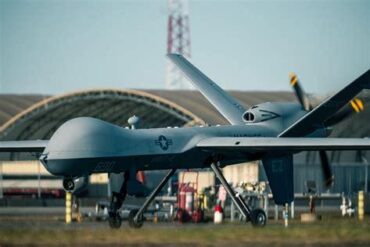
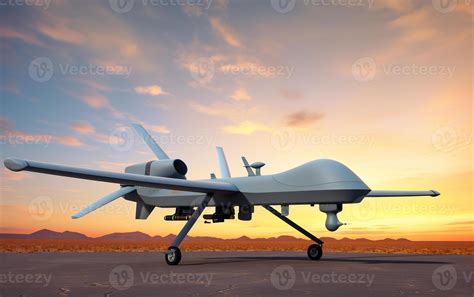
Aircraft such as the MQ-1 Predator and MQ-9 Reaper became synonymous with long-endurance surveillance and precision strikes. These drones could loiter over conflict zones for extended periods, tracking targets and providing real-time intelligence to commanders thousands of miles away. For the first time in history, military forces could conduct sustained aerial operations without placing pilots in immediate danger.
The success of these platforms during counterterrorism campaigns demonstrated the enormous potential of unmanned systems. Yet those conflicts were largely asymmetric in nature. Drone operations occurred in environments where adversaries lacked sophisticated air defenses. The strategic reality of the Indo-Pacific is very different, involving technologically advanced opponents capable of contesting the airspace.
Lessons From Modern Conflicts
Recent conflicts have provided powerful demonstrations of how rapidly drone warfare is evolving. The war between Russia and Ukraine, for example, has shown how mass-produced drones and loitering munitions can reshape battlefield dynamics. Both sides have deployed thousands of unmanned systems ranging from modified commercial quadcopters to purpose-built strike drones capable of destroying armored vehicles.
These platforms perform a wide range of missions. Small reconnaissance drones provide real-time battlefield intelligence, helping artillery units target enemy positions with unprecedented accuracy. Larger unmanned systems carry explosive payloads designed to destroy vehicles, infrastructure, or troop formations.
The proliferation of such technologies has revealed an important strategic insight: the effectiveness of drones often depends on quantity as much as quality. Large numbers of inexpensive drones can overwhelm sophisticated defenses and maintain persistent surveillance across broad areas.
Similar dynamics have appeared in the Middle East. During recent regional tensions linked to Iranian military activities, one-way attack drones and reconnaissance UAVs have been used in strikes against infrastructure and military targets. These incidents demonstrated how relatively inexpensive unmanned systems can threaten high-value assets and force defenders to expend costly interceptors.
For Washington, these developments highlight the growing importance of drone attrition warfare, where the side capable of sustaining large numbers of unmanned systems may gain a significant operational advantage.
Why The Indo-Pacific Favors Drone Warfare
The Indo-Pacific region presents unique geographic challenges that naturally favor unmanned systems. Stretching across thousands of miles of ocean, the theater includes vast maritime spaces, dispersed island chains, and relatively limited airbases capable of supporting large aircraft fleets.
Maintaining persistent surveillance across such a region using traditional crewed aircraft is both expensive and logistically complex. Drones offer a compelling alternative because they can remain airborne for extended periods while operating from smaller facilities.
Unmanned aircraft can patrol shipping lanes, track naval fleets, and monitor potential missile launch sites across remote islands. Their ability to gather intelligence continuously makes them invaluable for early warning and maritime domain awareness.
In contested areas such as the Taiwan Strait and the South China Sea, drones could provide critical targeting data for long-range weapons systems. They may also operate closer to hostile defenses than crewed aircraft, reducing risks to pilots while still gathering valuable intelligence.

This capability becomes even more important during periods of heightened tension. If traditional airbases were threatened by missile strikes, drones could continue operating from dispersed locations such as small island airstrips or naval vessels.
For these reasons, military strategists increasingly view UAVs as essential tools for persistent situational awareness across the Pacific battlespace.
The Strategic Rise Of Drone Swarms
One of the most transformative developments in unmanned warfare is the emergence of drone swarm technology. Rather than relying on a handful of expensive aircraft, militaries are experimenting with large groups of smaller drones operating in coordinated formations.
These swarms can perform multiple missions simultaneously. Some drones conduct reconnaissance, others jam enemy communications, and others carry explosive payloads. When deployed together, they create a complex network of sensors and weapons capable of overwhelming defensive systems.
Interestingly, early demonstrations of swarm coordination came from civilian industries rather than military laboratories. Drone light shows—now common at major public events—demonstrated how hundreds or even thousands of drones could fly in synchronized formations using advanced software algorithms.
The same technologies used to coordinate those aerial displays—autonomous navigation, distributed communication networks, and real-time positioning—can also be adapted for combat applications.
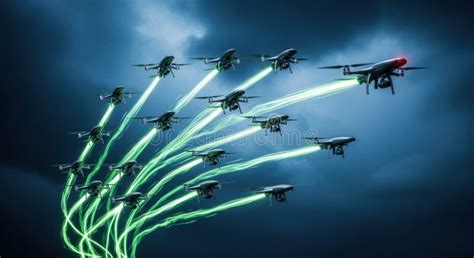
In a military context, swarms could saturate missile defenses, forcing defenders to choose which threats to intercept. Because each drone may cost only a fraction of the price of a defensive interceptor missile, the economics strongly favor the attacker.
Strategists sometimes refer to this approach as the high-low mix, combining advanced weapons with large numbers of inexpensive unmanned systems. In a prolonged conflict, this strategy could dramatically alter the cost balance of warfare.
Drone swarms also offer tactical flexibility. Some units may act as decoys, drawing enemy radar and missiles away from more valuable platforms. Others could relay communications across long distances or provide targeting information for naval or missile forces operating hundreds of miles away.
China’s Expanding Drone Industry
Much of the American concern about drone combat capacity stems from the rapid growth of China’s unmanned aircraft sector. Over the past decade, China has invested heavily in both military UAV development and commercial drone manufacturing, creating a vast industrial ecosystem capable of producing large numbers of unmanned systems.
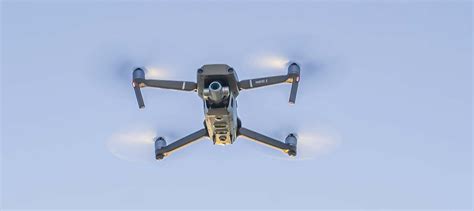
Chinese defense companies now produce a wide range of drones, including long-endurance surveillance aircraft, stealth reconnaissance platforms, and loitering munitions designed for precision strikes. These systems are increasingly integrated into the country’s broader military modernization efforts.
China’s manufacturing strength gives it a potential advantage in large-scale drone production, allowing the rapid expansion of unmanned fleets if required during a conflict. This capacity becomes particularly significant in a scenario involving heavy drone attrition, where replacements must be produced quickly.
The integration of artificial intelligence and automated coordination technologies further strengthens these capabilities. Analysts believe that Chinese researchers are actively exploring swarm tactics and autonomous navigation systems that could enable large groups of drones to operate collaboratively.
Such developments are fueling a growing technological competition across the Indo-Pacific, where unmanned systems may soon become a central pillar of military power.
The Strategic Role Of Joint Interagency Task Force 401
Recognizing the rising importance of drones in the Pacific theater, the United States has established new institutions dedicated to addressing unmanned warfare challenges. One of the most significant initiatives is Joint Interagency Task Force 401 (JIATF-401).
This organization was created to coordinate efforts across multiple branches of the US defense and security community. Instead of focusing on a single drone platform, its mission involves examining the broader ecosystem of unmanned warfare.
JIATF-401 studies how potential adversaries deploy drones, develops strategies to counter large-scale UAV attacks, and experiments with new operational concepts involving swarms of inexpensive systems.
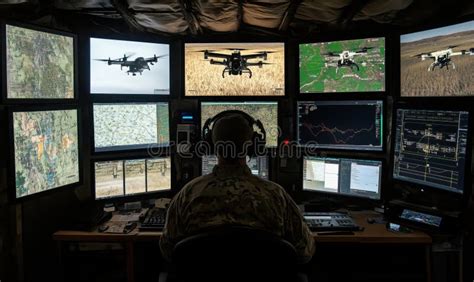
A major aspect of its work involves integrating drones with other military capabilities, including naval fleets, satellite networks, and cyber operations. In a future conflict scenario, thousands of unmanned systems might operate simultaneously across air, sea, and land environments.
To support such operations, the United States must ensure that drones can be produced rapidly, distributed across forward bases, and maintained under combat conditions. JIATF-401 therefore plays a key role in developing strategies for sustaining large-scale unmanned operations across the Pacific.
The Real Challenge: Scale And Industrial Capacity
Despite possessing some of the most advanced drone technologies in the world, the United States faces a difficult strategic challenge: maintaining sufficient drone numbers in a high-intensity conflict.
Military planners increasingly believe that a potential Indo-Pacific conflict could involve thousands of unmanned systems operating simultaneously. Surveillance drones would track naval fleets and missile launchers, while strike drones and loitering munitions would attack high-value targets.
However, these drones could also be lost at extremely high rates. Modern air defense systems, electronic warfare capabilities, and cyber disruptions could destroy or disable large numbers of UAVs within contested airspace.
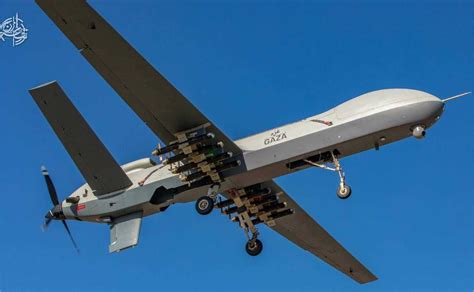
If adversaries are able to replace those losses more quickly than the United States, the balance of drone capacity could shift dramatically during a prolonged conflict. This possibility has sparked growing concern within the Pentagon.
China’s massive industrial base is capable of producing large quantities of electronic systems, including commercial drones and components that can be adapted for military use. By contrast, the United States historically focused on smaller fleets of sophisticated UAVs designed for precision missions rather than mass deployment.
In a future war defined by high attrition rates and rapid replacement cycles, the ability to manufacture large numbers of relatively inexpensive drones may become just as important as developing cutting-edge aircraft.
The Future Of Drone Warfare In The Pacific
Looking ahead, drone warfare across the Indo-Pacific is likely to become increasingly sophisticated. Advances in artificial intelligence and machine learning will enable drones to operate with greater autonomy, coordinating with other platforms without constant human oversight.
Future unmanned systems may function as part of integrated combat networks, sharing sensor data with satellites, ships, fighter jets, and missile batteries in real time. Such networks could dramatically improve situational awareness across the enormous distances of the Pacific theater.
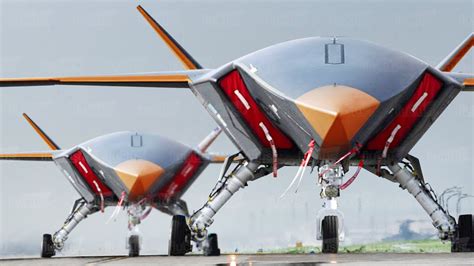
The United States is also exploring new operational concepts that emphasize distributed operations. Instead of relying on large centralized bases, smaller units equipped with drones could operate from remote islands or mobile platforms. This approach would make military assets harder to target while maintaining persistent surveillance across wide areas.
Partnerships with regional allies are another critical factor. Countries such as Japan, Australia, and South Korea are investing heavily in their own unmanned systems. By coordinating these capabilities, allied forces could create a distributed drone network spanning much of the Indo-Pacific.
Ultimately, the growing focus on drone combat capacity reflects a deeper transformation in modern warfare. The Pacific region—already one of the world’s most strategically important arenas—may soon become the proving ground for the next generation of aerial combat technologies.
In this emerging environment, victory may depend not only on advanced aircraft or powerful missiles, but also on the ability to deploy, coordinate, and sustain vast fleets of unmanned systems. The nation that can keep its drones flying longer, replace them faster, and integrate them more effectively into joint operations will likely hold a decisive advantage in the skies above the Pacific.