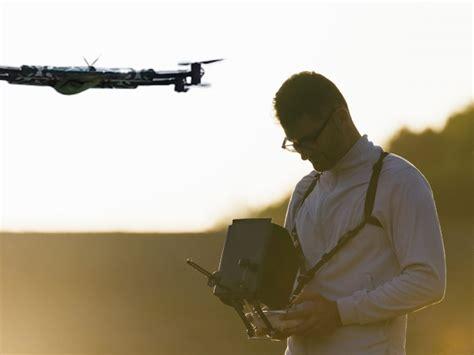
Surveillance technology has undergone a dramatic transformation with the introduction of drones for surveillance. These aerial systems offer unmatched capabilities in public safety, industrial inspection, perimeter defense, and emergency response. What was once a niche and experimental domain has now evolved into a reliable, scalable, and intelligent layer of modern surveillance infrastructure. With breakthroughs in automation, edge computing, and fleet management, drone surveillance is no longer an auxiliary tool—it is the core pillar of next-generation situational awareness.
How Drone Surveillance Systems Work
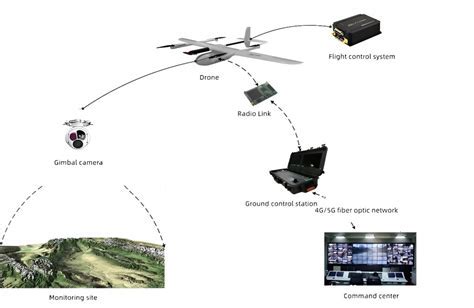
Drone surveillance refers to the systematic monitoring of areas, individuals, or activities using unmanned aerial vehicles (UAVs). These UAVs are equipped with high-definition cameras, thermal imaging sensors, and AI-based analytics to identify anomalies in real-time. What distinguishes drones from traditional surveillance methods is their ability to operate over hard-to-reach or dangerous terrains, collect data without human risk, and stream live feeds from aerial vantage points.
An effective drone surveillance system includes:
- Reliable drone hardware: Capable of stable flight, high-resolution video capture, and long endurance.
- Intelligent automation software: To control the drone’s flight path, data collection, and video analysis.
- Edge computing capabilities: For onboard processing, including object detection and real-time alerts.
- Cloud-based control and data storage: To manage fleets and monitor surveillance missions remotely.
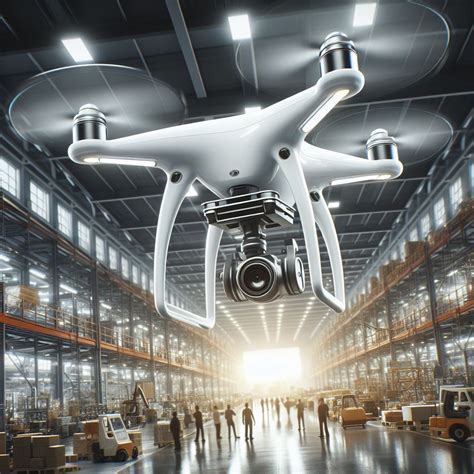
Drones in surveillance are deployed in various sectors—from military defense and police enforcement to wildlife monitoring and border control. The pandemic further accelerated drone usage as governments employed UAVs to enforce lockdowns, monitor crowds, and assist in medical delivery. The result was a massive realization of the economic and life-saving potential of drone-based security systems.
Top Drones Used in Security Surveillance
A wide range of drones exists for different surveillance needs. Some are tailored for urban patrols, others for industrial monitoring, and a few designed for autonomous long-range missions. Here are some of the most powerful surveillance drones available today:
- DJI Inspire 2: Dual battery system, 4K video, high maneuverability.
- DJI Mavic 2 Enterprise: Compact, thermal imaging, spotlight attachment.
- GAIA 160 Elite 200W Hybrid Drone: Long endurance hybrid drone ideal for heavy payloads.
- RHEA 160 Hexacopter: Heavy-lift, modular payload capacity.
- DJI M210 RTK / M300 RTK: Rugged enterprise drones with RTK precision and wide payload support.
- Impossible US-1: Extended flight duration with electric propulsion.
- Condor: High-endurance, fixed-wing system suited for large perimeter coverage.
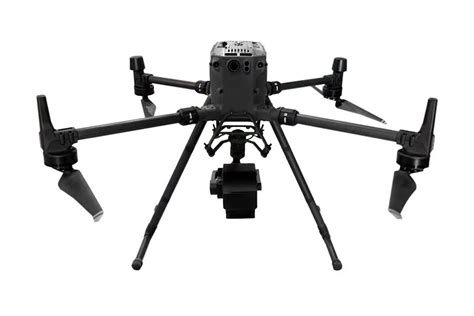
These drones can be integrated into a larger ecosystem of software platforms and docking stations to enable round-the-clock autonomous surveillance.
Inside a Drone Fleet Management System
Managing a drone fleet is significantly more complex than operating a single UAV. This is where cloud-connected drone fleet management systems like FlytBase come into play. These platforms orchestrate every aspect of a drone mission—from launch and patrol to return and charging.
FlytBase’s solution allows for:
- Autonomous multi-drone missions.
- Integration with third-party UTM services for airspace compliance.
- Real-time video feed sharing with off-site stakeholders.
- Compatibility with DJI, Ardupilot, PX4-based drones.
Onboard Intelligence with Companion Computers
To enhance autonomous decision-making, drones use companion computers such as Nvidia Jetson Nano or Raspberry Pi. FlytBase runs on FlytOS, a custom operating system for drones that provides:
- Precision landing via FlytDock.
- Collision avoidance with FlytCAS.
- Gimbal and camera control.
- LTE/5G cloud connectivity for real-time command and control.
Drone-in-a-Box (DiaB) Systems
Drone-in-a-Box solutions automate drone deployment and recharging, reducing the need for human intervention. FlytBase supports docking systems from:
- DJI Dock & DJI Dock 2
- Hextronics
- Idiployer
- Heisha Docking Station
Some systems also include tethered drones, which remain airborne for extended periods—perfect for persistent surveillance operations.
Advanced Sensor Payloads
Surveillance drones often carry specialized sensors to enhance detection capabilities:
- Wide-angle cameras: For broad area coverage.
- Thermal imaging: Essential for night operations or detecting body heat.
- LiDAR sensors: 3D terrain and object mapping.
FlytBase: Rapid Deployment of Drone Surveillance Operations
FlytBase offers a Software-as-a-Service (SaaS) model to quickly prototype a drone surveillance system. This is ideal for validating proof-of-concept (PoC) models. Setting up is straightforward:
- Create a FlytBase account and validate via email.
- Log in and access the dashboard.
- Add drones, configure geofencing, and set up your pre-flight checklist.
- Create autonomous flight paths using the mission planner.
- Enable video streaming and live sharing for real-time oversight.
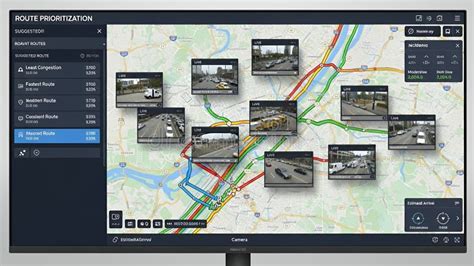
Mission planning is a crucial step—users define waypoints, altitude levels, and final drone actions (like Return to Home or Hover). Virtual drone simulation is available for early testing before real-world deployment.
Executing Your First Drone Surveillance Mission
Once your system is configured, launching a patrol operation is seamless. A user selects a drone, initiates the mission via the FlytBase dashboard, and monitors the live video feed. Prior to launch, the platform presents a pre-flight checklist, ensuring all safety protocols and system diagnostics are complete.
Surveillance missions typically involve:
- Patrolling facility perimeters.
- Monitoring restricted access zones.
- Responding to motion or sensor-based alerts.
Operators can control multiple drones simultaneously, with each UAV executing different segments of a surveillance grid.
Scaling Up: The Future of Drone Surveillance
As the complexity of surveillance needs grows, so does the sophistication of drone platforms. FlytBase offers Business and Enterprise editions designed for public safety agencies, industrial operators, and system integrators seeking to scale their operations.
Key Features of FlytBase Business & Enterprise
- Multi-drone live streaming.
- Support for DJI M210, M300, and M600 drones.
- Integrated thermal imaging and DJI payloads.
- Unlimited mission planning with complex geofencing.
- AI-based object detection for intruder alerts.
- Third-party UTM integration with Airmap, Unifly, etc.
- Language localization and Dronelogbook sync.
The Enterprise version introduces full automation, precision landing on QR or computer-generated tags, remote docking control, and team-based role access. Through onboard SBC integration, drones connect via 4G/5G and can operate autonomously under all weather and terrain conditions.
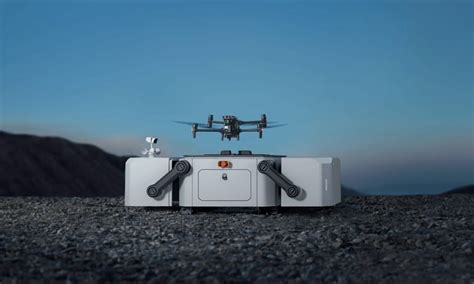
With smart fail-safes—such as emergency landing points, advanced geofencing, and return-to-home protocols—the system ensures reliability and regulatory compliance. FlytBase is now the backbone of enterprise-grade autonomous surveillance, trusted by security firms, law enforcement, and infrastructure operators across the globe.
Conclusion
Drone surveillance is no longer a speculative trend—it is a fully operational, scalable, and indispensable security solution. With the convergence of hardware, AI, cloud computing, and software automation, these systems are capable of transforming how we manage security, protect assets, and respond to emergencies. By leveraging platforms like FlytBase, organizations can deploy high-efficiency, low-latency aerial surveillance with minimal human intervention and maximum ROI. The future of automated surveillance is already in the sky.
![Big Drones & Heavy Lift Drones: A Comprehensive Guide for Drone Pilots [New for 2025]](https://boltflight.com/wp-content/uploads/2025/05/big-drones-heavy-lift-drones-comprehensive-guide-drone-pilots-new-2025-370x247.jpg "Big Drones & Heavy Lift Drones: A Comprehensive Guide for Drone Pilots [New for 2025]")