Surveillance technology has evolved dramatically in the last decade, but no advancement has been more transformative than the rise of drones for surveillance. These aerial assets have transitioned from niche tools into indispensable instruments across law enforcement, disaster response, industrial monitoring, and border security. The global spotlight intensified during the COVID-19 pandemic, when drones proved essential in enforcing lockdowns, monitoring public spaces, and delivering critical supplies. This marked a paradigm shift, showcasing that aerial surveillance is not just effective—it’s vital.
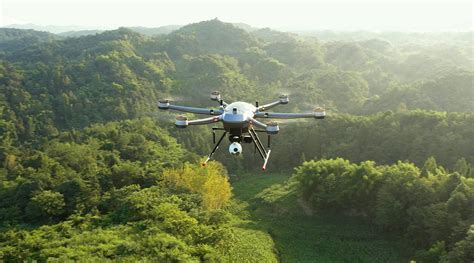
Modern drones, equipped with high-definition cameras, thermal sensors, LiDAR, and AI-driven analytics, provide unmatched situational awareness in real-time. A well-executed drone surveillance system can detect threats earlier, cover vast terrains in minimal time, and reduce human exposure to danger. Importantly, major manufacturers like DJI and advanced platforms such as FlytBase have created integrated ecosystems that combine intelligent software with rugged hardware, making large-scale autonomous drone operations a reality.
How Drone Surveillance Systems Operate
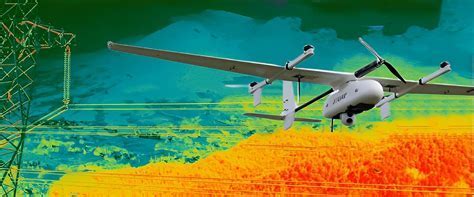
At its core, drone surveillance is the remote observation of an area, object, or activity using aerial platforms. These systems require seamless integration between multiple components: the drone hardware, software for mission planning, real-time communication systems, and ground-based dashboards. Successful deployment hinges on combining automation with robust intelligence at the edge.
Drones function through pre-programmed or live-controlled flight paths, relaying data—video, heat maps, 3D scans—in real-time to ground teams. This data is analyzed instantly or stored for post-mission insights. From monitoring forest perimeters for illegal activity to overseeing a construction site for compliance, surveillance drones introduce flexibility, scalability, and consistency that traditional static cameras lack.
The Best Drones for Surveillance Operations
Surveillance success starts with choosing the right drone. These industry-grade surveillance UAVs are built for endurance, precision, and performance:
- DJI Inspire 2 – A cinematic powerhouse with high agility, ideal for critical visual inspections.
- DJI Mavic 2 Enterprise – Compact, modular, and integrated with thermal imaging and loudspeakers.
- DJI M210 RTK / M300 RTK – Highly customizable with weatherproof designs and support for dual payloads.
- Impossible US-1 Condor – A drone that leverages hybrid energy systems for extended flight durations.
- GAIA 160 Elite and RHEA 160 Hexacopter – Heavier payload capacity and robust performance for industrial-grade missions.
All these models are compatible with FlytBase, a leading cloud-based drone automation platform designed to orchestrate entire fleets.
Leveraging FlytBase for Drone Fleet Management
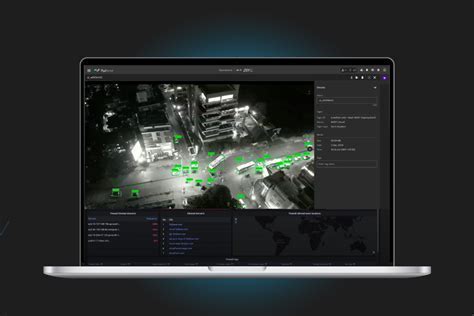
FlytBase revolutionizes the way surveillance operations are conducted. With web-based dashboards, users can control single or multiple drones, configure geofences, and view live video streams from anywhere in the world. What distinguishes FlytBase is its ability to integrate with UTM (Unmanned Traffic Management) systems, ensuring airspace compliance.
FlytBase’s powerful companion software supports hardware such as PX4, Ardupilot, and DJI flight controllers, ensuring wide compatibility. Features include:
- Mission automation: Launch, patrol, and land without manual intervention.
- Live monitoring: Stream HD footage to stakeholders.
- Multi-user access: Teams can coordinate surveillance missions in real-time.
- Cloud control: Manage operations remotely and securely.
Onboard Intelligence: The Brains Behind Autonomous Drones
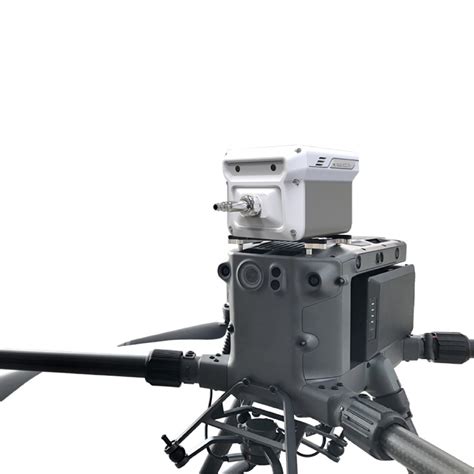
To perform autonomous surveillance, drones must think. That’s achieved through onboard computers like the Nvidia Jetson Nano or DJI Manifold 2. With FlytOS installed, these systems enable:
- AI-powered object detection
- Collision avoidance (FlytCAS)
- Precision landing (FlytDock)
- Adaptive navigation in changing environments
This makes it possible for drones to identify intruders, follow vehicles, or autonomously return to base under adverse conditions.
Drone-in-a-Box: The Future of Autonomous Surveillance
Drone-in-a-Box (DiaB) systems are essential for full autonomy. These include charging docks, launch/landing platforms, and weatherproof enclosures that eliminate the need for human interaction. Leading DiaB systems compatible with FlytBase include:
- DJI Dock 2
- Hextronics Global
- Idiployer
- Heisha
FlytBase’s DiaB APIs allow remote control of these stations, enabling scheduled patrols or on-demand missions. Some versions even support tethered drones, which extend flight time by supplying continuous power, making them ideal for fixed-site surveillance.
UTM Integration for Safe Airspace Operations
Any large-scale surveillance program must comply with local and national airspace laws. FlytBase supports seamless UTM integration with:
- AirMap
- Unifly
- Altitude Angel
This ensures that every flight remains legal, trackable, and deconflicted, especially crucial for Beyond Visual Line of Sight (BVLOS) and Extended Visual Line of Sight (EVLOS) operations.
Specialized Surveillance Payloads
What makes a drone an effective surveillance tool is its payload. FlytBase supports integration with high-end imaging systems, including:
- Wide-angle cameras: Maximize coverage from each flight position.
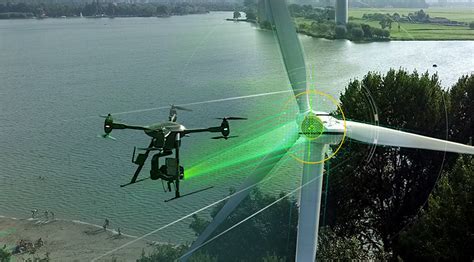
- Thermal imaging: Detects heat signatures in complete darkness or dense vegetation.
- LiDAR: Generates precise 3D maps of terrain, infrastructure, or forest canopies.
These payloads enable drones to function during day or night, in urban chaos or remote wilderness, capturing data traditional CCTV systems would miss.
Building Resilient Operations with Advanced Fail-safes
Autonomous drones face real-world risks: hardware malfunction, bad weather, or regulatory conflicts. Robust systems need fail-safe protocols like:
- Return to Home (RTH)
- Emergency Landing Points (ELP)
- Advanced polygon geofencing
These features ensure both public safety and data preservation, making them indispensable for critical infrastructure protection.
Fast-track Your Surveillance with FlytBase Proof of Concept
Setting up a drone surveillance system can be intimidating, but FlytBase’s SaaS PoC lowers the barrier. This lightweight version lets users:
- Simulate missions with virtual drones
- Add hardware effortlessly
- Create flight paths with waypoints and altitudes
- View live multi-drone feeds from a browser
After a successful pilot, teams can upgrade to the Enterprise version with full-scale automation and API integrations.
Launching Your First Autonomous Surveillance Mission
Executing a surveillance mission with FlytBase involves a few streamlined steps:
- Add drone and define a flight path
- Set up a polygonal geofence
- Configure mission speed and return actions
- Run preflight checklist
- Launch the drone from the web dashboard
Once live, the system streams video, logs telemetry, and supports remote access, enabling mission control even from a mobile device.
Scaling Up: From PoC to Enterprise Drone Surveillance
When ready to scale, users can transition to FlytBase Business or Enterprise plans.
- Business includes:
- Thermal camera support
- Live multi-feed dashboard
- DJI M210/M300 payload integrations
- SBC integration for PX4/Ardupilot drones
- Enterprise includes all Business features plus:
- Full team/user management
- Custom geofences and map annotations
- DiaB charging pad integration
- AI-powered object detection
- Support for mission logs and language localization
Both versions support 4G/5G cloud connections, enabling real-time updates and resilience against network issues.
The Future of Drone Surveillance
Drone surveillance is evolving rapidly. Advances in AI, autonomy, and integration with IoT ecosystems will soon enable persistent, real-time monitoring at a national scale. Systems like FlytBase are already proving that scalable, automated surveillance is not just possible—it’s essential for public safety, asset security, and rapid incident response.
As regulations catch up, expect to see fully autonomous drone fleets patrolling city blocks, energy plants, borders, and campuses, responding to threats before humans can even detect them.
The question is no longer if drones will transform surveillance, but how fast you’ll adopt them to secure what matters most.
![Big Drones & Heavy Lift Drones: A Comprehensive Guide for Drone Pilots [New for 2025]](https://boltflight.com/wp-content/uploads/2025/05/big-drones-heavy-lift-drones-comprehensive-guide-drone-pilots-new-2025-370x247.jpg "Big Drones & Heavy Lift Drones: A Comprehensive Guide for Drone Pilots [New for 2025]")