A GPS navigation failure affecting Embraer E190-E2 and E195-E2 aircraft has triggered flight cancellations and operational disruption across several airlines, prompting Embraer and avionics supplier Honeywell to establish a joint crisis room. The problem was initially identified at Azul Linhas Aéreas in Brazil and has since affected operators in Canada and Europe, raising concerns about the reliability of the navigation system installed across more than 200 E2 jets worldwide.
The incident centers on aircraft equipped with Honeywell Primus Epic 2.0 avionics. Embraer said it is working with Honeywell to investigate the event, determine its underlying cause, and evaluate corrective measures. The rapid creation of a dedicated technical response operation reflects the potential scale of the problem, particularly because the affected aircraft are distributed among airlines on several continents.
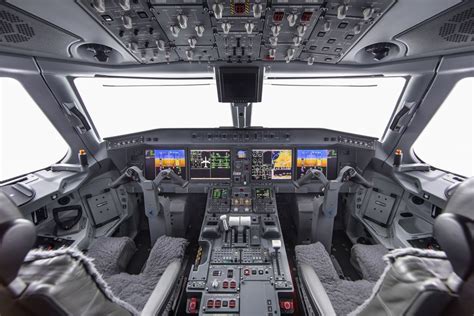
Azul discovered the fault at approximately 5:30 p.m. local time on Tuesday in Brazil and subsequently grounded 43 aircraft. With E2 jets forming an important part of several carriers’ regional networks, the disruption quickly moved beyond a single airline. More than 200 E190-E2 and E195-E2 aircraft are reportedly in service with 24 airlines worldwide, although the operational response has varied between carriers depending on the circumstances and their ability to restore the navigation system.
Embraer and Honeywell Launch E2 GPS Crisis Response
Embraer confirmed that it was jointly investigating the GPS problem with Honeywell and that a crisis room had been established to coordinate the technical response. The company said its teams were assessing the cause of the event and possible corrective actions while continuing to provide technical support to affected operators.
The immediate difficulty is that the available procedure is considered a temporary workaround rather than a permanent repair. According to a technical bulletin reported by Aeroin, operators were advised that a system reset could restore normal GPS signal reception. However, the same bulletin warned that the failure could return even after the reset.
That distinction is crucial for airline operations. A reset that temporarily restores navigation may not provide operators with enough confidence to return every aircraft to regular service, especially when the same fault can potentially reappear. Airlines therefore have to balance the need to maintain schedules against the requirement to operate aircraft with dependable navigation systems.
Azul Grounds 43 Embraer E2 Aircraft in Brazil
Azul was the first operator identified as being directly affected by the problem and responded by grounding 43 E2 aircraft. The decision immediately created pressure on the airline’s network because Embraer regional jets are particularly important for connecting smaller Brazilian cities with larger hubs.
As aircraft remain unavailable, airlines have fewer options for maintaining scheduled frequencies. Substituting another aircraft type is not always straightforward because of differences in capacity, range, crew qualifications, airport performance, and fleet availability. Even a technical problem involving a relatively small portion of an airline’s total fleet can therefore create delays and cancellations across a much wider network.
The disruption has also begun to affect airports where multiple E2 operators are active. Reports indicate that cancellations and delays have emerged in Brazil, Canada, and Europe, with passengers being advised to check their flight status before traveling to airports.
Porter, KLM and European Airlines Face Cancellations
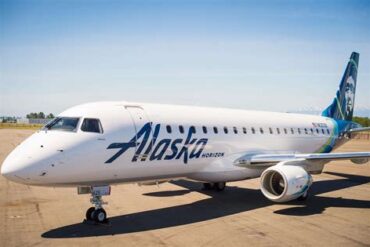
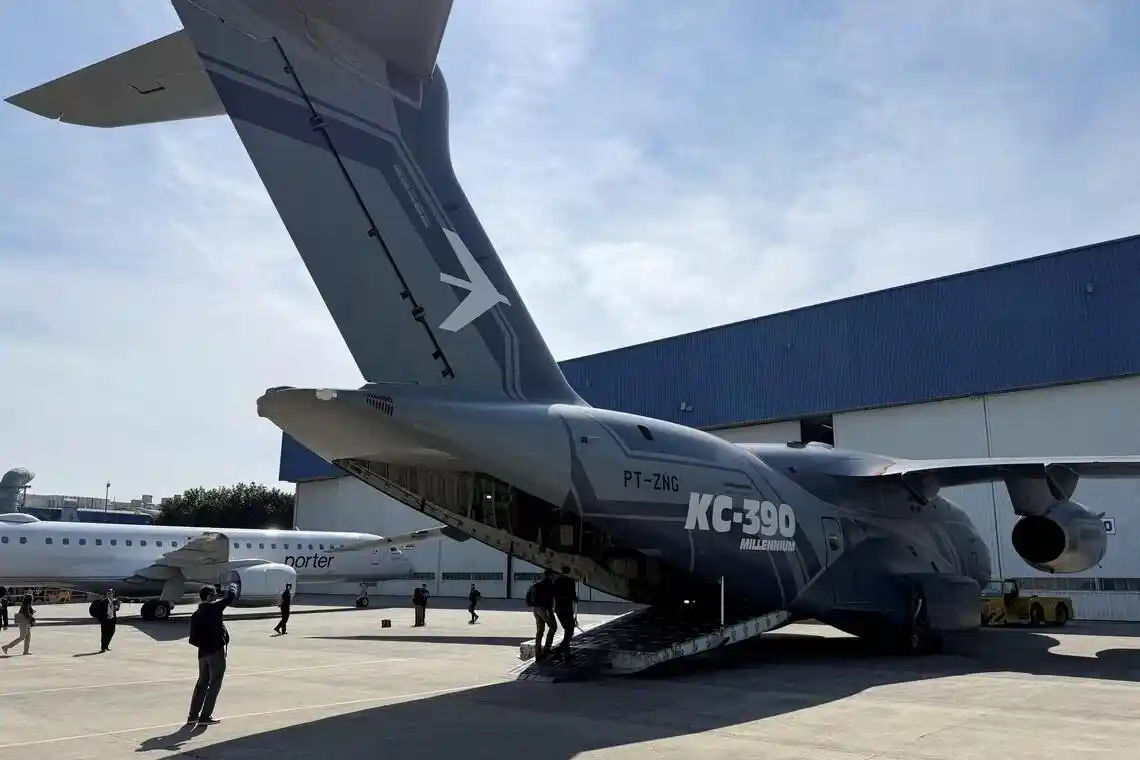
Porter Airlines in Canada canceled flights scheduled to be operated by E2 aircraft as the issue spread internationally. European operators including Binter Canarias, KLM Cityhopper, and Luxair were also reported to have canceled flights involving the affected aircraft family.
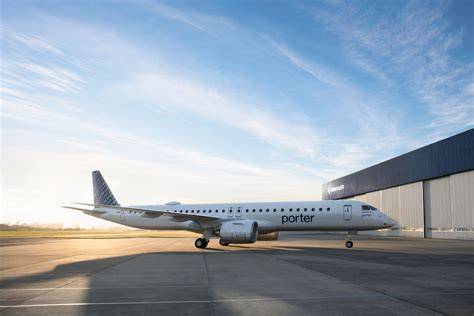
The impact differs from airline to airline because fleet sizes and operational schedules are not identical. Porter has a particularly significant E2 presence, with 52 E190-E2 and E195-E2 aircraft listed in the reference fleet data. KLM Cityhopper operates 25, while Luxair has six. Mexicana de Aviación operates 20 affected E2 aircraft.
Other operators require a different interpretation. LATAM Airlines Brasil has E2 aircraft on order, but those aircraft had not entered service and therefore did not create an immediate operational exposure. GOL also had E2 aircraft on order but did not have the specific affected models in its active fleet.
Why the Honeywell Primus Epic 2.0 System Matters
The technical issue is particularly significant because the Honeywell Primus Epic 2.0 represents a highly integrated avionics architecture rather than a simple standalone GPS receiver. The system brings sophisticated navigation, flight-management, terrain-awareness, weather information, and synthetic-vision capabilities into the E2 cockpit.
Its Interactive Navigation capability allows flight crews to interact directly with navigation information displayed on the cockpit screens. The system also integrates synthetic vision and terrain information while working alongside advanced weather radar and flight-management functions.
For an E190-E2 or E195-E2 crew, satellite navigation is therefore part of a much larger network of systems used to understand the aircraft’s position and manage the flight. A failure affecting GPS reception can have operational consequences well beyond the inconvenience of losing a single display function.
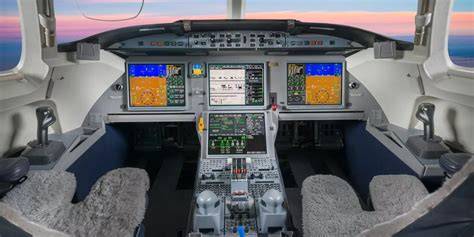
The reported temporary recovery procedure illustrates the complexity. Maintenance personnel may need to remove electrical power from relevant systems by operating circuit breakers, effectively forcing the avionics to perform a cold restart. If the restart succeeds, the navigation equipment can regain satellite reception and clear the fault condition.
However, this procedure does not eliminate the underlying problem. If the fault can return after a reset, an airline may reasonably determine that repeatedly rebooting aircraft is not an adequate long-term operational strategy.
Airlines Wait for a Permanent E2 GPS Fix
The most important question is now how quickly Embraer and Honeywell can identify the root cause and provide a permanent solution. A software update appears to be the expected final resolution described in the available technical material, but the reference information does not indicate when such a patch will be released.
Until then, operators must decide how to handle aircraft that experience the fault. Some may use the temporary reset procedure when permitted and when the aircraft can be safely returned to service. Others may prefer to keep aircraft on the ground rather than risk a recurring navigation failure during operations.
The situation demonstrates how modern aircraft can be simultaneously sophisticated and highly dependent on integrated software and avionics. The E2 family was designed to bring advanced technology to the regional-jet market, but a problem affecting one critical system can quickly become a global airline issue when the same architecture is installed across hundreds of aircraft.
For passengers, the immediate consequence is simpler: canceled or delayed flights and the need to verify itineraries before traveling. For Embraer, Honeywell, and the affected airlines, however, the challenge is much larger. Engineers must establish why the GPS fault occurred, determine whether it can recur under specific conditions, and deliver a reliable corrective action that allows the E2 fleet to return to normal operations with confidence.