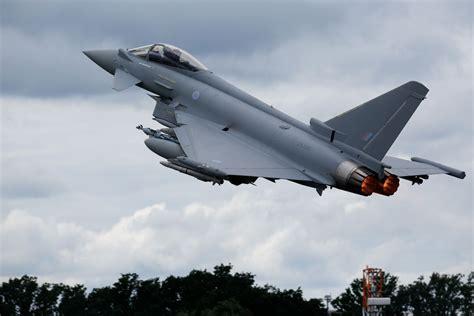
Turkish President Recep Tayyip Erdogan is intensifying his strategic defense diplomacy by seeking the direct support of German Chancellor Friedrich Merz to approve a long-delayed Eurofighter Typhoon sale to Turkey. The high-stakes discussion is set to take place during the upcoming NATO summit in The Hague, where Erdogan aims to break Berlin’s political deadlock that has hindered the fighter jet transaction for years.
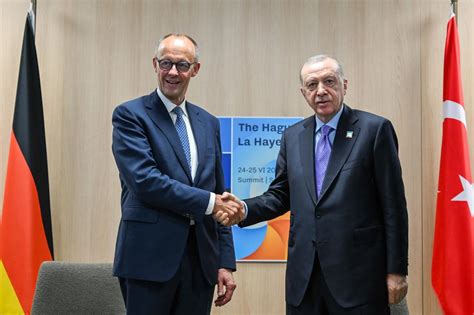
Eurofighter Typhoon Sale: A Decade-Long Turkish Ambition
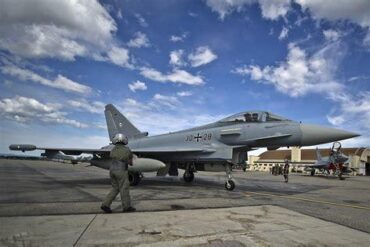
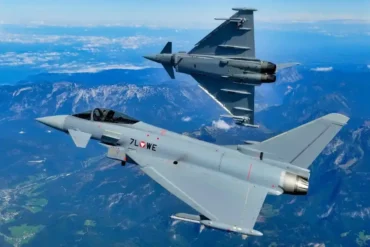
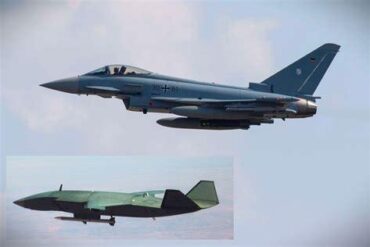
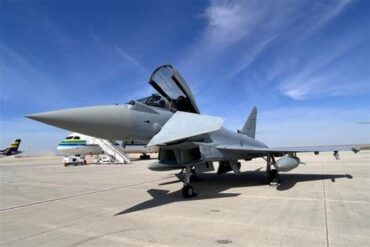
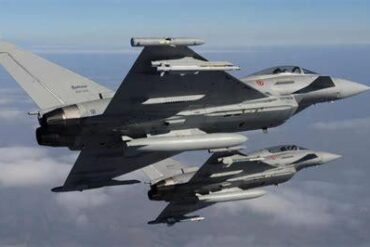
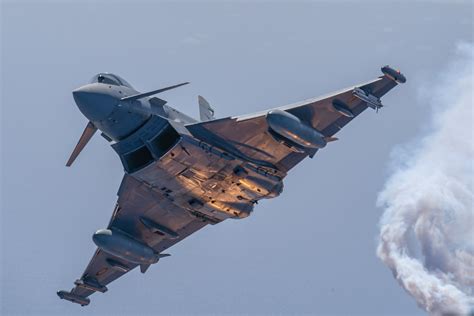
At the heart of Erdogan’s agenda is the procurement of more than 20 Eurofighter Typhoon jets, primarily the advanced Tranche 4 variant. Turkey is also exploring the acquisition of earlier models to expedite their integration into its air force. This move represents a critical modernization step for Ankara, especially as geopolitical threats intensify in the Middle East and Eastern Europe.
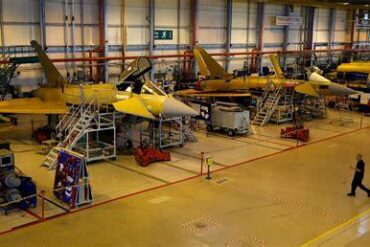
According to Turkish defense officials familiar with the deal, Turkey received an initial price offer in March from the United Kingdom, a core member of the Eurofighter consortium, which also includes Germany’s Airbus SE, Britain’s BAE Systems Plc, and Italy’s Leonardo SpA. The UK has been lobbying on Ankara’s behalf, hoping to sway the German government, which has repeatedly blocked the deal due to historical frictions between Turkey and Greece.
Germany’s Reluctance: The Greek-Turkish Nexus
Berlin’s hesitancy stems largely from Turkey’s ongoing disputes with Greece over energy exploration rights in the Eastern Mediterranean. Germany, a strong EU supporter and advocate for regional stability, has been reluctant to arm a nation embroiled in such tensions. These concerns, coupled with human rights criticisms and Turkey’s assertive regional posture, have slowed down cooperation despite Ankara’s NATO membership.
Nevertheless, Erdogan has remained firm. “We do not find it right to impose barriers to defense trade among allies,” he said before departing for the summit. His statement reflects growing frustration with what Turkish officials perceive as selective political roadblocks undermining collective defense cooperation within NATO.
Expanding Military Capability Amid Regional Instability
The urgency behind Turkey’s Eurofighter ambition is rooted in the evolving threat matrix surrounding its borders. With Israel-Iran tensions escalating, and Russia’s war in Ukraine dragging on with no resolution in sight, Ankara is racing to enhance its aerial warfare capabilities. This initiative aligns with broader military modernization goals that include advanced fighter platforms, long-range missile systems, and engine co-development programs.
The Eurofighter package under discussion is reportedly valued at around €10 billion (approximately $11.4 billion). This includes the aircraft themselves and a stockpile of Meteor air-to-air missiles, manufactured by MBDA, a joint venture also involving Eurofighter consortium members. These beyond-visual-range missiles are expected to significantly improve Turkey’s combat air patrol reach.
The F-16 and F-35 Conundrum: Turkey’s Balancing Act
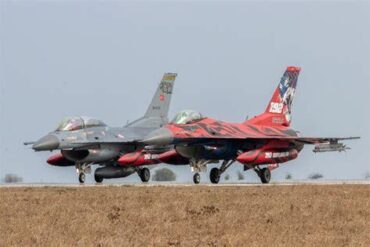
While Erdogan pushes for European jets, he is simultaneously engaging with U.S. President Donald Trump on a separate defense front. Turkey continues to press Washington for approval to purchase new F-16s, upgrade its existing fleet, and potentially regain access to the F-35 Joint Strike Fighter program—a program it was expelled from in 2019 after purchasing Russian-made S-400 missile defense systems.
That decision triggered U.S. sanctions under the Countering America’s Adversaries Through Sanctions Act (CAATSA) and froze Turkey out of the multinational initiative led by Lockheed Martin Corp. Turkey’s efforts to reenter the F-35 program come at a time when Greece, a regional rival, is poised to receive F-35s, a development Ankara views as a threat to the strategic balance in the Aegean region.
The Turkish president’s planned meeting with Trump underscores a larger diplomatic recalibration designed to expand its defense procurement channels without over-reliance on any single bloc. Erdogan’s dual-track diplomacy—pressuring Europe while appeasing the U.S.—demonstrates Turkey’s tactical fluidity amid shifting alliance politics.
Political Stakes for Merz and Germany’s Coalition
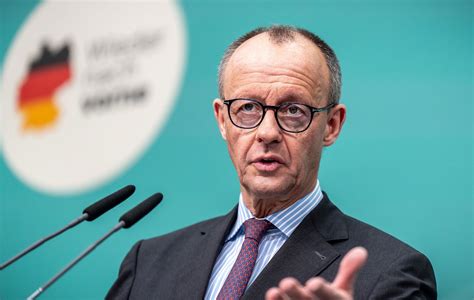
For newly-appointed Chancellor Friedrich Merz, the request presents a complex political test. As the head of a center-right coalition seeking to balance Germany’s industrial interests with its values-driven foreign policy, Merz must navigate between domestic opposition, EU expectations, and Germany’s obligations under NATO.
A decision to greenlight the Eurofighter deal could unlock billions in defense exports, revitalize Europe’s defense manufacturing ecosystem, and fortify NATO’s southern flank. However, it may also spark backlash from human rights groups and EU partners skeptical of Ankara’s military engagements in Syria, Iraq, Libya, and the South Caucasus.
Strategic Implications for NATO and Europe
At a time when NATO is seeking to bolster its collective defense posture, especially in light of Russian aggression, the inclusion of a fully equipped and modern Turkish Air Force could prove strategically invaluable. Turkey sits at the geographic crossroads of Europe, Asia, and the Middle East, making it an essential hub for logistics, intelligence sharing, and rapid deployment.
The Eurofighter acquisition would signal Turkey’s deeper integration with European defense standards and could help reduce Ankara’s military dependency on the U.S., especially amid turbulent bilateral relations.
Moreover, Turkey’s move to diversify its arms portfolio reflects an evolving global order in which nations seek greater autonomy in procurement, amid rising geopolitical unpredictability and the risk of sanctions. This shift is evident across other NATO members as well, with Poland, Finland, and even Germany itself ramping up indigenous development and third-party purchases.
A New Era of Defense Diplomacy?
The pending Eurofighter deal is more than a transactional defense sale—it is a litmus test for Europe’s political will, NATO’s unity, and the resilience of defense diplomacy in a polarized world order. Should Merz decide to support Erdogan’s request, it would not only rejuvenate the Eurofighter program, but also reposition Germany as a pragmatic actor capable of balancing values with strategic necessity.
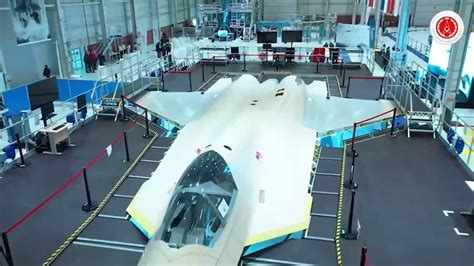
Conversely, if Berlin continues to stall, Turkey may accelerate alternatives. Ankara has hinted at developing its indigenous fifth-generation TF-X fighter, while also considering non-Western suppliers such as South Korea or even Russia, though the latter remains politically sensitive.
Conclusion: Between Diplomacy and Deterrence
As Erdogan meets Merz in The Hague, the stakes transcend military hardware. This is a test of alliance coherence in an era of fractured global security, where even traditional partners must revalidate their commitments. Germany’s decision will either solidify or strain its relations with Turkey at a critical juncture when NATO unity is paramount.
Erdogan’s determined push for the Eurofighter Typhoon is not merely about replacing aging aircraft; it is about restoring strategic parity, reinforcing sovereign capability, and affirming Turkey’s place in the evolving defense architecture of the West. Whether Merz bends or stands firm will send ripples far beyond Brussels or Berlin—it may well shape the trajectory of Europe’s defense future.