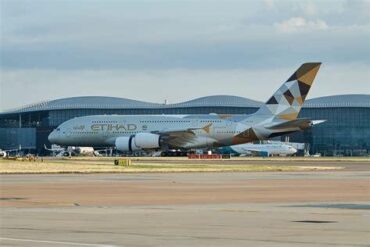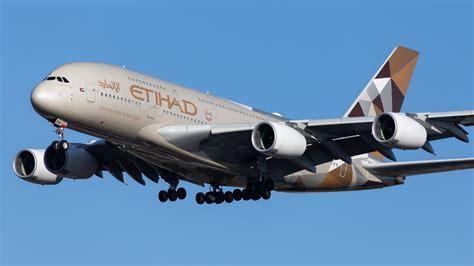
For years, the Airbus A380 symbolized excess in commercial aviation. Airlines rushed to retire the double-decker giant during the pandemic, convinced that leaner twin-engine aircraft represented the future of long-haul travel. Yet in 2026, one of the industry’s most iconic aircraft is staging an unlikely comeback. Etihad Airways is preparing to reactivate two more Airbus A380s, airframes A6-APC and A6-APB, after nearly six years in long-term storage.
The decision reflects far more than nostalgia for the world’s largest passenger jet. It exposes the severity of today’s global aircraft shortage, the mounting production delays affecting Airbus and Boeing, and the growing difficulty airlines face in securing enough long-haul capacity to satisfy surging passenger demand. For Etihad, reviving dormant superjumbos has become more practical than waiting years for new aircraft deliveries.
Returning an A380 to commercial service, however, is one of the most complex engineering undertakings in modern aviation. These aircraft are not simply parked and restarted like cars left idle in a garage. After years sitting motionless in storage facilities, every critical system requires inspection, restoration, testing, and recertification before the aircraft can safely carry passengers again.
The scale of the operation is enormous, involving thousands of labor hours, extensive engine work, structural examinations, software updates, cabin restoration, and regulatory approvals. The process can stretch over several months before the aircraft even carries its first passengers.
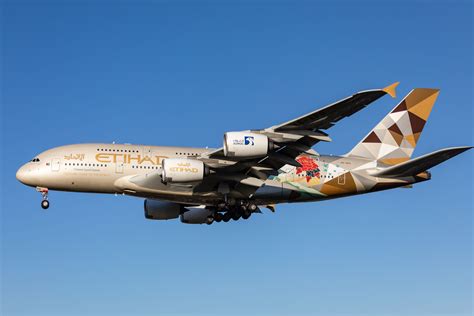
Why Etihad Airways Is Bringing Back Its Airbus A380 Fleet
Etihad originally grounded its A380 fleet during the COVID-19 pandemic when international travel collapsed almost overnight. Like many global airlines, the Abu Dhabi-based carrier assumed demand for massive four-engine aircraft would remain weak for years. Smaller and more fuel-efficient twin-engine jets appeared better suited for the post-pandemic world.
That prediction proved inaccurate.
International travel rebounded much faster than expected, particularly on premium long-haul routes connecting Europe, North America, and the Middle East. At the same time, aircraft manufacturers struggled with supply chain disruptions, labor shortages, certification delays, and record backlogs.
Airlines suddenly faced a painful reality: passengers were returning faster than new aircraft could be delivered.
The backlog for commercial aircraft orders now exceeds 17,000 jets globally, creating delivery timelines stretching years into the future. Airlines that planned to modernize fleets quickly discovered they lacked enough aircraft to support expanding networks and rising passenger numbers.
For Etihad, restoring existing A380s became one of the few viable options to add substantial capacity within a reasonable timeframe.
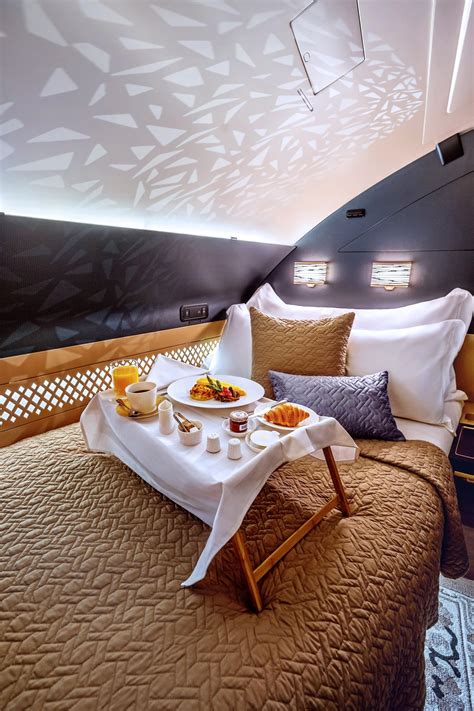
The economics of the decision are striking. Although the Airbus A380 remains expensive to operate compared to newer twin-engine aircraft, it offers unmatched seat capacity on heavily traveled routes. The aircraft also supports Etihad’s premium strategy through products like The Residence and First Class Apartments, features impossible to replicate on smaller jets.
As a result, the airline now plans to keep its A380 fleet flying until at least 2032, a remarkable reversal for an aircraft many once believed had entered permanent decline.
The Massive Engineering Challenge Of Reactivating A Stored A380
Reactivating a long-stored Airbus A380 is closer to rebuilding an aircraft than performing routine maintenance.
During extended storage, aircraft undergo preservation procedures designed to minimize deterioration. Engines are sealed, sensitive systems are protected, fuel tanks are treated, and components vulnerable to environmental damage receive protective coverings. Even with these precautions, years of inactivity inevitably affect the aircraft.
Every major system must therefore be carefully inspected before reactivation begins.
The Airbus A380 presents particularly unique challenges because of its extraordinary complexity. The aircraft contains extensive hydraulic networks, massive electrical systems, advanced avionics, intricate cabin technology, and four enormous turbofan engines. Each subsystem requires specialized testing and recertification.
Industry executives have estimated that roughly 4,500 labor hours may be necessary before a stored A380 can even fly itself from a desert storage facility to a dedicated maintenance base. The real restoration work only begins afterward.
Engineers first conduct detailed structural inspections, searching for corrosion, metal fatigue, degraded seals, fluid contamination, and environmental damage caused by years of exposure. Aircraft stored in desert conditions face additional concerns involving dust intrusion and heat-related deterioration.
The landing gear system alone represents a monumental maintenance task. The Airbus A380 uses 22 wheels and 16 brakes, all requiring close inspection or outright replacement after prolonged storage. Qantas previously revealed that every one of its reactivated A380s needed complete wheel and brake replacement before returning to service.
Hydraulic systems must also be flushed, repressurized, and tested extensively. Engineers inspect miles of hydraulic lines for leaks, seal degradation, and pressure irregularities. Even minor contamination can create serious operational risks on an aircraft of this size.
Fuel systems demand equally rigorous attention. Long-term inactivity can allow sediment buildup, moisture contamination, or bacterial growth within tanks and fuel lines. Technicians must inspect, clean, and test these systems thoroughly before engine operations resume.
Restoring Four Massive Engines After Years Of Silence
Perhaps the most sensitive component of any A380 restoration involves the aircraft’s engines.
Etihad’s Airbus A380 fleet is powered by four Engine Alliance GP7200 engines, among the largest commercial jet engines ever built. After years without operation, each engine undergoes painstaking inspections before startup procedures can begin.
Technicians examine turbine blades, compressors, seals, lubrication systems, fuel injectors, and internal components for corrosion or wear. Oils and fluids are replaced, preservation materials are removed, and internal borescope inspections search for microscopic damage.
Initial engine runs occur gradually and under strict monitoring conditions.
Even after engines successfully restart, additional testing continues for weeks. Engineers monitor vibration levels, temperature readings, fuel efficiency, hydraulic performance, and electronic system behavior to identify abnormalities that could compromise safety.
The sheer complexity of operating four synchronized high-thrust engines makes the A380 significantly more challenging to restore than modern twin-engine widebodies.
Beyond propulsion systems, the aircraft’s avionics and software architecture also require modernization. Aviation software evolves constantly, meaning stored aircraft must receive updated navigation databases, revised flight management software, cybersecurity patches, and compliance modifications before regulators approve passenger operations.
These updates ensure the aircraft meets current air traffic management standards and international safety regulations.
Why Reactivating An Airbus A380 Costs Tens Of Millions Of Dollars
Although airlines rarely disclose exact figures, restoring an Airbus A380 from long-term storage can easily cost tens of millions of dollars per aircraft.
The expenses accumulate rapidly across multiple areas simultaneously.
Labor represents one of the largest costs. Engineering teams spend months performing inspections, repairs, testing, documentation, and recertification work. Specialized A380 technicians are increasingly rare as global fleets shrink, making qualified labor even more valuable.
Replacement components add further expense. Parts for aging A380 fleets are becoming harder to source as production volumes decline and suppliers shift focus toward newer aircraft programs.
Engine restoration alone can consume millions of dollars depending on maintenance requirements.
Cabin refurbishment creates another substantial financial burden. Premium interiors deteriorate during storage, particularly luxury suites, onboard lounges, inflight entertainment systems, and specialized amenities unique to the A380.
Etihad’s flagship premium cabins require especially detailed restoration because the airline markets the aircraft heavily around luxury travel experiences.
Qantas previously described its final A380 reactivation project as the largest engineering undertaking in company history, involving more than 100,000 hours of maintenance work. That figure illustrates the astonishing scale involved in reviving these superjumbos.
Yet despite the enormous costs, airlines increasingly view restoration as financially justified.
Acquiring new long-haul aircraft today often involves waiting years for delivery slots. In contrast, reactivating stored aircraft allows airlines to restore capacity much faster, even if maintenance costs remain high.
The Global Aircraft Shortage Driving Widebody Comebacks
The aviation industry is now experiencing one of the most severe aircraft supply shortages in decades.
Before the pandemic, many airlines planned aggressive fleet modernization programs centered around fuel-efficient aircraft like the Airbus A350 and Boeing 787. Older four-engine jets, including the Airbus A380 and Boeing 747, appeared destined for retirement.
COVID-19 accelerated those plans dramatically.
Hundreds of widebody aircraft entered storage as international travel collapsed. Some were scrapped permanently. Others sat idle in desert facilities across Australia, the United States, and the Middle East while airlines waited for recovery.
What nobody anticipated was how quickly global travel demand would rebound once restrictions disappeared.
Passenger traffic on many international routes has now reached or exceeded pre-pandemic levels. Airlines urgently need additional aircraft, but Airbus and Boeing continue struggling with production bottlenecks, supply chain disruptions, and certification delays.
The result is a historic imbalance between supply and demand.
Airlines that once rushed to retire older jets are now extending fleet lifespans, delaying retirements, reactivating parked aircraft, and leasing additional capacity wherever possible.
The Airbus A380 has emerged as one of the clearest examples of this industry reversal.
Despite its fuel consumption and operational complexity, the aircraft remains uniquely valuable on slot-constrained routes with extremely high passenger demand. Few aircraft can transport more than 500 passengers while simultaneously offering expansive premium cabins.
For airlines operating major international hubs, that capability still carries tremendous strategic value.
Why The Airbus A380 Still Matters In Modern Aviation
The Airbus A380 occupies a unique position in global aviation.
No other commercial aircraft combines its passenger capacity, cabin spaciousness, and premium product potential. Even newer aircraft like the Airbus A350 and Boeing 777X cannot fully replicate the onboard experience created by the superjumbo’s immense interior volume.
For Etihad, the aircraft serves as both a revenue generator and a brand statement.
The airline’s A380 cabins include The Residence, a private three-room suite featuring a bedroom, living area, and personal bathroom. The aircraft also offers nine First Class Apartments alongside onboard lounges and spacious business-class seating.
These premium offerings remain powerful differentiators in an increasingly competitive international market.
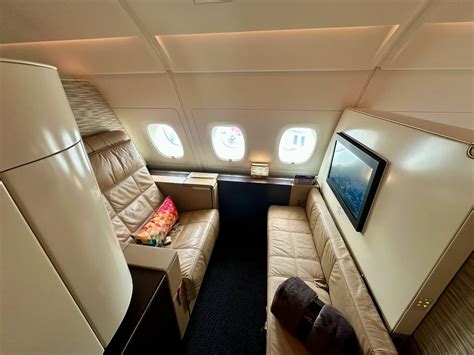
The A380 also continues attracting strong passenger interest. Many travelers specifically seek out flights operated by the double-decker aircraft because of its quieter cabin, smoother ride quality, and spacious design.
That emotional connection matters more than many industry analysts once expected.
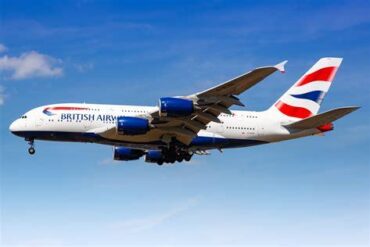
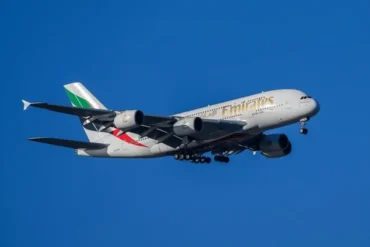
Even airlines that retired portions of their A380 fleets have discovered the aircraft remains highly effective on dense routes linking major global cities. Emirates, Singapore Airlines, Qantas, British Airways, and Etihad all continue relying on the superjumbo across key long-haul networks.
The Future Of Etihad’s Airbus A380 Operations
Etihad currently operates A380 services from Abu Dhabi to destinations including London, Paris, and New York. The return of additional aircraft will allow the airline to expand capacity further as international demand continues rising.
The eighth Etihad A380 is expected to return during 2026, followed by a ninth aircraft in early 2027.
These restorations demonstrate how dramatically the aviation industry’s assumptions have changed since the pandemic. Aircraft once considered obsolete are suddenly becoming essential assets again because global manufacturing cannot deliver replacements quickly enough.
Eventually, the Airbus A380 will disappear from commercial skies as airlines transition toward more efficient fleets. Production already ended years ago, and long-term economics still favor modern twin-engine aircraft for most operations.
Yet the superjumbo’s final chapter appears far from over.
Instead of fading quietly into retirement, the Airbus A380 has gained an unexpected second life driven by global aircraft shortages, recovering travel demand, and the continued profitability of high-capacity long-haul routes.
For Etihad Airways, bringing six-year-old dormant giants back into service is not merely about preserving iconic aircraft. It is a calculated strategic response to one of the most challenging fleet environments modern aviation has faced in decades.
And for passengers, it means the world’s largest airliner will continue ruling international skies a little longer than anyone once expected.