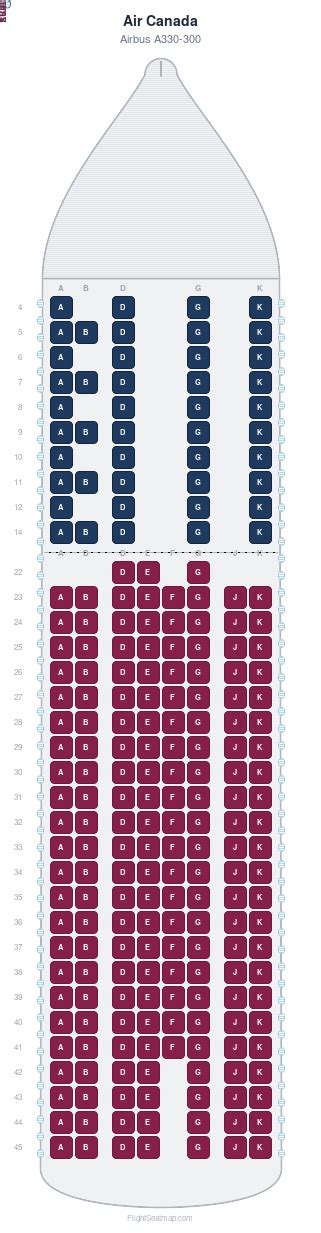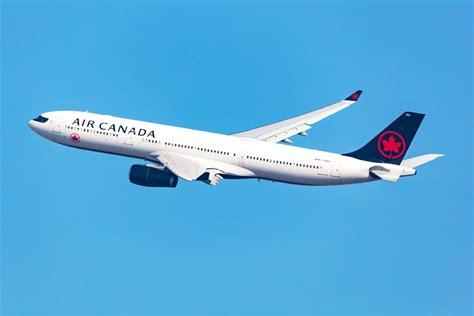
Air Canada, the flagship carrier of Canada, boasts an extensive global network, powered by its diverse widebody fleet. Among its most resilient aircraft is the Airbus A330-300, a long-haul workhorse with 20 active frames in the fleet. Despite its average age of over 18 years, the A330-300 continues to play a pivotal role in Air Canada’s international operations, particularly on transatlantic routes. As of June 2025, the airline operates some of its longest A330-300 routes from its major hubs — Toronto Pearson (YYZ), Montreal Trudeau (YUL), and Vancouver (YVR) — with impressive reach into Europe’s historic and high-demand cities.
Toronto to Vienna: The Longest A330-300 Route at 4,329 Miles
At the top of Air Canada’s A330-300 long-haul leaderboard is the route between Toronto and Vienna. Spanning 4,329 miles, this daily service highlights Air Canada’s close ties with Star Alliance partner Austrian Airlines, providing seamless access into Central and Eastern Europe.
Flying daily across June, Air Canada offers 2,079 seats per week on this route, totalling 8,910 for the month. The total available seat miles (ASM) reaches an impressive 38.57 million, underlining the route’s strategic weight. Vienna International Airport (VIE) acts not only as a hub to Austria but also as a practical gateway to cities like Bratislava, located just 35 miles away.
The eastbound flight time averages 8 hours 35 minutes, with slightly longer westbound legs. The consistent year-round operation reflects both business demand and Vienna’s growing popularity as a destination for Canadian travelers.
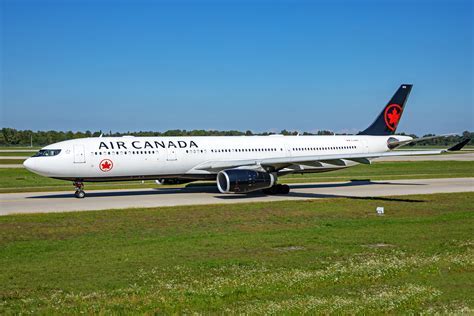
Toronto to Venice: Canada’s Cultural Corridor to Italy
Ranking just below Vienna is Toronto to Venice, stretching 4,270 miles across the North Atlantic and European mainland. This seasonal route caters heavily to leisure travelers seeking Italy’s iconic canals, art, and cuisine.
Operating four times weekly, the route delivers 4,752 seats throughout June, producing over 20.29 million available seat miles. Venice Marco Polo Airport (VCE) serves as the main airport for the Veneto region and connects directly to other long-haul destinations via carriers like Delta, United, Emirates, and Qatar Airways.
The A330-300’s range, coupled with Venice’s seasonal travel spike, makes this one of the most strategically timed flights in Air Canada’s European portfolio. Air Transat competes here with a once-weekly service on its A330-200.
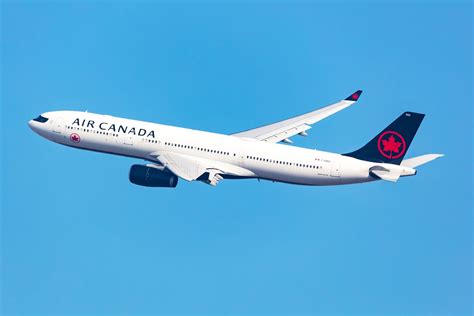
Toronto to Prague: Bridging Canada and the Czech Republic
A unique standout in Air Canada’s network is the nonstop Toronto to Prague route, which spans 4,165 miles. As the only direct link between Canada and the Czech Republic, this flight is not only long but strategically significant.
Running three times weekly in June, the route supplies 3,267 total seats with an ASM figure of 13.6 million. The flight caters to both business travelers and diaspora communities, as well as tourists drawn to Prague’s historic charm.
This route previously saw Air Transat competing head-to-head, but the leisure carrier has since withdrawn, leaving Air Canada with an uncontested link for summer 2025.
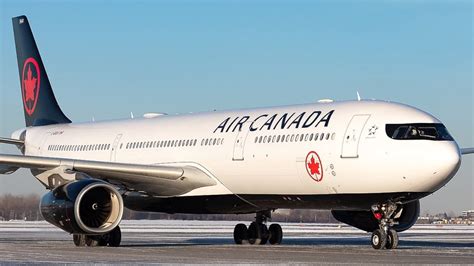
Toronto to Munich: A Reliable Year-Round Gateway to Bavaria
With a distance of 4,138 miles, Air Canada’s service between Toronto and Munich stands as a vital year-round connection between Canada and Southern Germany. This route is supported by Lufthansa’s hub operations, offering onward connections throughout Europe and beyond.
In June, Air Canada will operate 26 direct flights, providing 7,722 seats and generating 31.95 million available seat miles. The consistent performance of this route indicates robust demand from both business and leisure segments.
Lufthansa reciprocates with its own services between Canada and Munich, enhancing the Star Alliance connectivity proposition.
Montreal to Venice: Cultural Capital Link for Eastern Canada
Slightly edging out its Toronto counterpart in length, the Montreal to Venice route covers 3,963 miles. Operating 14 times in June, this seasonal service delivers 4,158 total seats and 16.47 million seat miles.
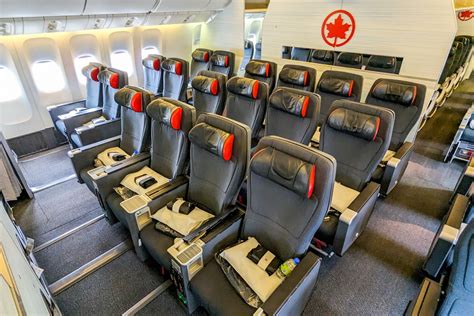
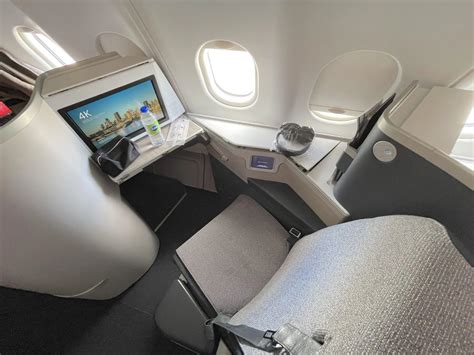
Montreal acts as a cultural twin to Venice, and demand spikes during the Northern Hemisphere summer season. The A330-300’s versatile cabin layout, typically including three classes, ensures it meets the needs of both budget and premium travelers.
As with the Toronto route, Air Transat provides limited competition with a once-weekly service.
Toronto to Frankfurt: High Capacity Meets Strategic Partnership
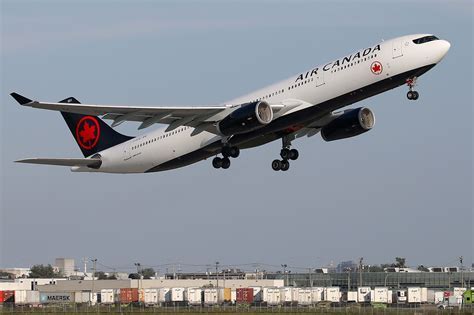
Clocking in at 3,953 miles, the Toronto to Frankfurt route is perhaps the most commercially significant in the A330-300’s playbook. Air Canada flies up to twice daily, averaging 50 flights across June, offering 14,850 seats and a whopping 58.7 million seat miles.
This high-capacity, high-frequency operation is core to Air Canada’s transatlantic joint venture with Lufthansa, which includes close collaboration with SWISS, United, and Austrian Airlines. Frankfurt’s role as a major European hub ensures deep onward connectivity across the continent, the Middle East, and Asia.
Condor Airlines also operates this route, but Air Canada’s joint venture advantage keeps it competitively dominant.
Toronto to Stockholm: The Shortest of the Longest
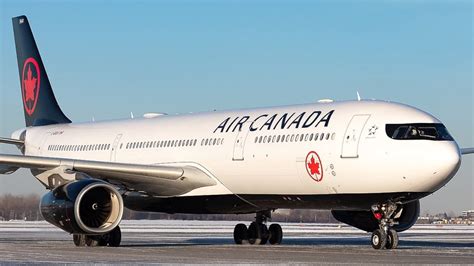
Rounding out the list is the Toronto to Stockholm route, which stretches 3,934 miles. Though the shortest among the longest, this seasonal service is vital for connecting Canada with Scandinavia. Operating 16 times in June, it delivers 4,752 seats and 18.69 million seat miles.
Stockholm Arlanda Airport (ARN) serves as Sweden’s busiest airport and sees seasonal services from multiple Star Alliance partners, including United, Lufthansa, and TAP. Air Canada’s presence here underscores its commitment to covering even niche, underserved transatlantic markets.
Why the Airbus A330-300 Still Matters
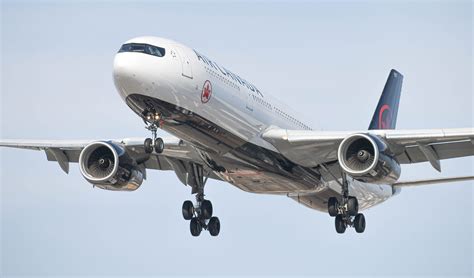
Despite being older than newer generation aircraft like the Boeing 787 Dreamliner, the Airbus A330-300 continues to serve Air Canada’s strategic long-haul network reliably. Its capacity, efficiency on medium-to-long-range routes, and cabin flexibility make it an ideal aircraft for high-density summer routes to Europe.
Air Canada has successfully leveraged its A330-300s on routes under 4,500 miles, where the balance between fuel efficiency and passenger volume is most optimized. While newer aircraft are entering the fleet, the A330-300 remains indispensable on several seasonal and year-round services, particularly to Europe’s secondary cities.
As global travel demand surges through 2025, these long-haul A330-300 routes will continue to represent a core pillar of Air Canada’s international strategy, linking major Canadian metros with Europe’s most culturally and economically significant destinations.