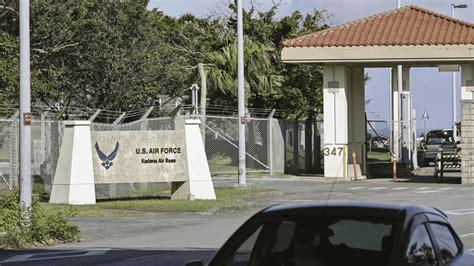
An explosion at a U.S. military base on Japan’s southern island of Okinawa has once again brought attention to the island’s enduring legacy of World War II. The blast, which occurred during the inspection of unexploded ordnance at Kadena Air Base, left four Japanese soldiers injured, prompting renewed scrutiny of the risks associated with decades-old munitions still scattered across the region.
The Incident: Sudden Blast at Kadena Munitions Storage
According to both Japanese defense authorities and a statement from the U.S. Air Force, the explosion took place at a storage site within the munitions area of Kadena Air Base. The facility, though located on American soil in terms of base jurisdiction, is managed by the Okinawa prefectural government. The injured personnel were all Japanese Self-Defense Force (SDF) soldiers assigned to a unit responsible for the handling and disposal of unexploded ordnance (UXO) left from the war.
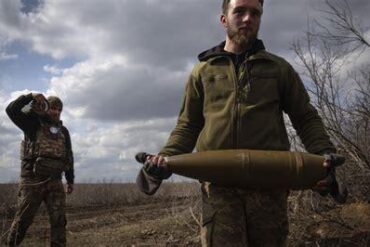
The blast reportedly occurred as soldiers were cleaning a rust-covered explosive device to identify its markings and specifications. NHK reported that the team was engaged in routine inspection procedures when one of the devices detonated unexpectedly. All four sustained non-life-threatening injuries, mostly to their fingers, suggesting close-range proximity to the ordnance at the time of the incident.
A Legacy of War: Okinawa’s Hidden Danger Beneath the Surface
Okinawa holds a unique and grim distinction in Japan’s modern history. It was the site of one of the bloodiest land battles in the Pacific Theater during World War II, resulting in the deaths of more than 200,000 people, including tens of thousands of civilians. The Battle of Okinawa, which raged from April to June 1945, left the island riddled with unexploded bombs, shells, and other dangerous remnants of war.
To this day, these weapons remain a persistent hazard. Prefectural officials estimate that more than 1,850 tons of unexploded U.S. ordnance remain buried across the island, concealed in construction zones, farmlands, and even residential areas. These devices are periodically uncovered during excavation or building projects, and when found, they are carefully relocated to storage and neutralization sites like the one at Kadena.
The most recent explosion underscores the ongoing threat posed by these aging weapons, which, despite their age, can remain volatile under certain conditions. In this case, it was oxidation and rust—typically indicators of decay—that may have paradoxically increased the risk by masking instability.
Kadena Air Base: A Crucial but Controversial Presence
Kadena Air Base is the largest U.S. Air Force installation in East Asia and a pivotal part of the American military presence in the Pacific. Located in the town of Kadena and surrounding municipalities, the base has long been a source of tension between the local population and the central government in Tokyo. While seen by the U.S. as vital to regional security and deterrence, many Okinawans view the base—and others like it—as a legacy of occupation and a symbol of disproportionate burden.
The explosion has rekindled public debate about the risks posed by military installations and ordnance disposal facilities in densely inhabited areas. The fact that this incident involved no U.S. personnel, but rather local Japanese forces, complicates the narrative but also highlights the collaborative but fraught nature of base operations.
The Hazards of Ordnance Disposal: Routine Work, High Stakes
Ordnance disposal is one of the most dangerous roles in any military organization. In Japan, this responsibility falls largely to specialized teams within the Self-Defense Forces, who are trained to identify, defuse, and destroy explosive remnants of war. The process typically involves cataloging the item, assessing its condition, and determining whether it should be detonated in a controlled environment or rendered inert through dismantling.
In the case of the Kadena blast, early reports suggest that the ordnance had been moved to the facility for identification. When soldiers began removing surface rust to reveal serial numbers and manufacturing marks, the weapon unexpectedly exploded. This has led to increased calls for a thorough review of safety protocols, including whether enhanced protective gear or more remote handling procedures should be standard during such inspections.
Rising Pattern of Explosive Incidents
This incident is not an isolated case. Just last October, an unexploded U.S. bomb from World War II detonated at a civilian airport in Kagoshima Prefecture, creating a massive crater and halting flights for several hours. While such explosions are rare, their consequences can be severe and are drawing greater public concern.
These recurring accidents reveal a growing urgency to accelerate ordnance clearance efforts—especially as urban development spreads into previously undisturbed areas. Japan’s post-war reconstruction may have been swift and comprehensive, but beneath the infrastructure lie reminders of a war that ended eight decades ago yet refuses to be forgotten.
Diplomatic and Political Reverberations
Though no U.S. personnel were injured, the implications of the explosion reach into diplomatic corridors. Okinawa’s government has long pushed for a reduction in U.S. military presence on the island, citing concerns over noise pollution, crime, environmental damage, and now, explosive hazards. Incidents like this provide further ammunition—figuratively and literally—for critics of the status quo.
At the same time, U.S.-Japan security ties remain essential to regional stability, especially amid rising tensions in the South China Sea and around Taiwan. The Kadena explosion, therefore, lands at a complex intersection of local grievances and geopolitical necessities, making any policy response delicate.
Unanswered Questions and Ongoing Investigations
The Japanese Self-Defense Forces’ Joint Staff Office has confirmed that a formal investigation is underway to determine what caused the detonation. Investigators will examine whether the rust removal process may have compromised the ordnance’s integrity or if the weapon had a previously undetected defect.
Officials are also expected to reevaluate the handling protocols used in such inspections. While SDF personnel are experienced in dealing with a variety of explosives, the sheer age and corrosion level of these World War II-era munitions may introduce variables not present in modern weaponry. The role of chemical instability, particularly involving aged TNT or picric acid-based compounds, is a key line of inquiry.
A Perpetual Battlefield Beneath Okinawa
To many residents and military personnel alike, Okinawa is a land still at war with its past. Despite Japan’s decades of peace, the detritus of a global conflict continues to endanger lives. This latest explosion at Kadena is a tragic but important reminder that the cleanup from war is a task measured not in years, but in generations.
Until every last unexploded bomb is found and neutralized, each day brings the risk of another unexpected detonation, another injury, another moment when history violently resurfaces. And while military bases like Kadena are seen as bulwarks of modern security, they also sit on soil still haunted by the ghosts of the past.
As the investigation unfolds, the people of Okinawa wait—not just for answers, but for a future in which such dangers are finally laid to rest.