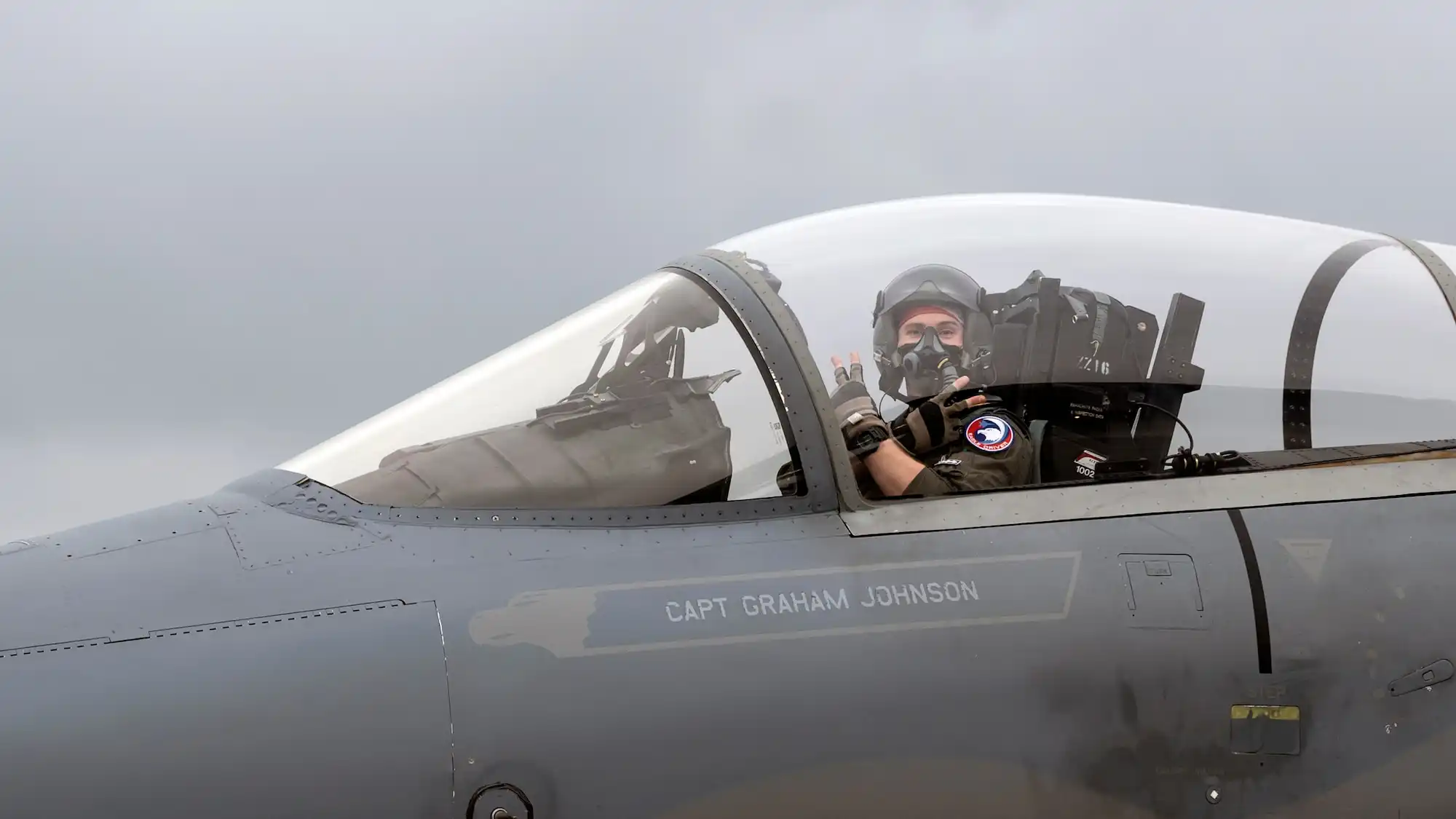
End of an Era: The F-15C/D Eagles Retire from Kadena
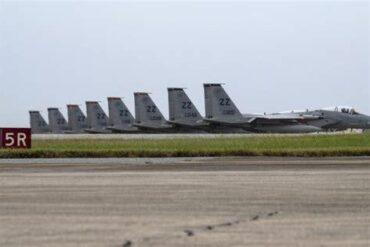
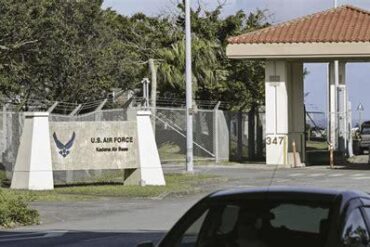
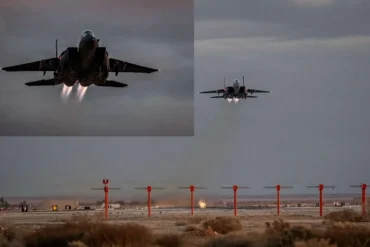
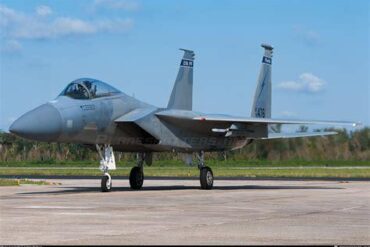
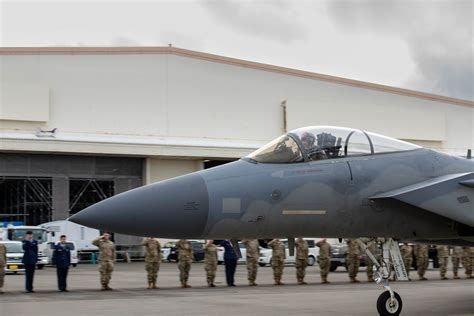
For over four decades, the F-15C/D Eagles have served as the backbone of the U.S. Air Force’s presence at Kadena Air Base, Okinawa, Japan. Since 1979, these formidable aircraft have played a critical role in maintaining air superiority in the Indo-Pacific region. However, after 45 years of service, the last F-15C Eagle at Kadena is being retired, marking the conclusion of an era for the 67th Fighter Squadron, the first fully F-15-equipped squadron in the Pacific Air Forces.
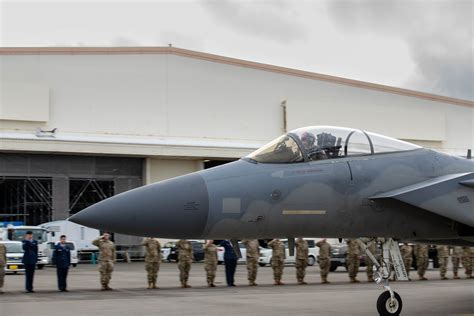
The phased withdrawal of the F-15C/D fleet began in December 2022, with aircraft either being reassigned to Air National Guard units or sent to the 309th Aerospace Maintenance and Regeneration Group (AMARG) for long-term storage. This withdrawal aligns with the broader strategy of modernizing the U.S. Air Force’s tactical fighter fleet while addressing increasing maintenance challenges associated with aging aircraft.
Aging Airframes and the Need for Replacement
Despite the F-15C’s legendary reputation, its service life has reached a critical threshold. Many of these aircraft have an average age of 37 years, with high operational tempo leading to structural fatigue and increased maintenance costs. Notably, incidents in 2014 and 2020, where structural failures led to aircraft losses, underscored the urgency of fleet modernization. As a result, the Air Force planned a gradual reduction of 61 F-15C aircraft by 2023, with all F-15C/D models expected to be retired by 2030.
Temporary Fighter Rotations: Ensuring Air Superiority
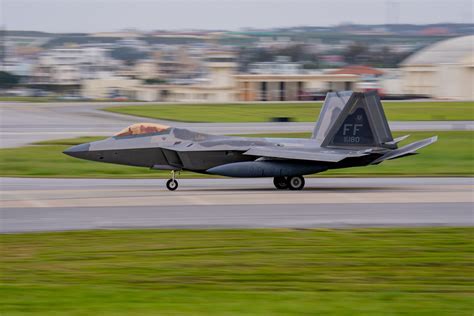
To maintain combat readiness during this transition, Kadena Air Base has hosted rotational deployments of advanced fighters, including:
- F-22 Raptors from the 525th Expeditionary Fighter Squadron (Alaska)
- F-16 Fighting Falcons from the 77th Expeditionary Fighter Squadron (South Carolina)
- F-35 Lightning IIs from the 34th Fighter Squadron (Utah)
These rotational deployments ensure that the U.S. and its allies retain a credible deterrent presence in the region while awaiting the arrival of more permanent replacements.
The Future: F-15EX Eagles to Replace the Retired Fleet
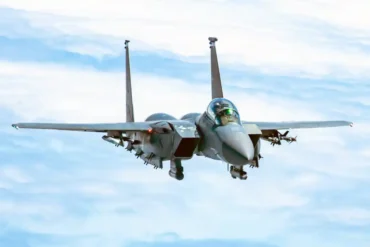
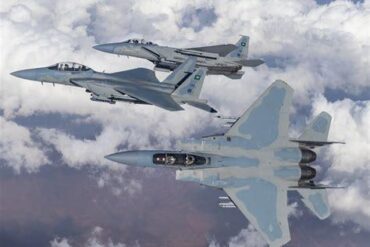
The F-15EX Eagle, a next-generation variant of the F-15 platform, will replace the retiring F-15C/D fleet. The Air Force has committed to acquiring 36 F-15EX aircraft to be stationed at Kadena. Although this represents a 25% reduction in the number of permanently stationed fighters, the F-15EX’s enhanced capabilities compensate for the reduced fleet size.
Advantages of the F-15EX Eagle
- Advanced avionics and digital warfare capabilities
- AN/APG-82(V)1 AESA radar for superior situational awareness
- Increased weapons capacity, including the ability to carry up to 13.5 tons of ordnance
- Greater operational range and survivability
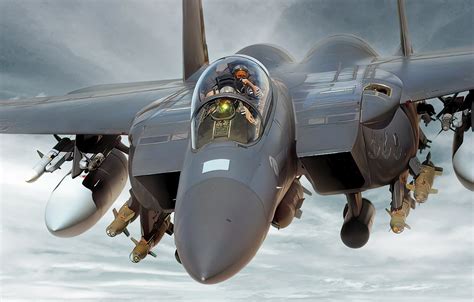
While the first F-15EX jets are expected to arrive within 12 to 16 months (as of late 2024), potential delays due to production bottlenecks and competing domestic unit demands remain a concern.
Strategic Implications of the Transition
The retirement of the F-15C/D Eagles and the introduction of the F-15EX carry significant strategic implications for U.S. military operations in the Indo-Pacific.
Countering China’s Expanding Influence
With China’s growing air defense identification zones (ADIZs) in the East and South China Seas, the U.S. Air Force’s modernization efforts are critical in maintaining air dominance. The F-15EX, with its enhanced capabilities, is designed to integrate seamlessly with Japan’s F-15J fleet stationed at Naha Air Base, further strengthening U.S.-Japan military interoperability.
Regional Deterrence and Operational Readiness
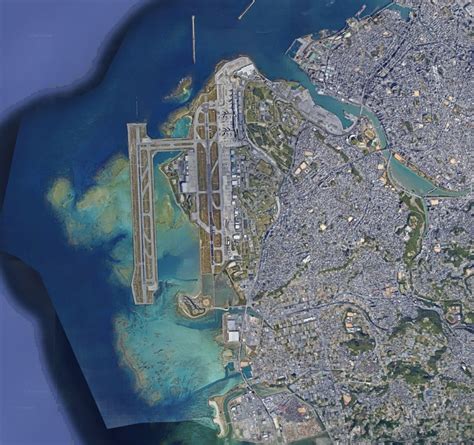
Kadena Air Base remains a key power-projection hub in the Pacific. While the retirement of the F-15C/D fleet raises concerns about a temporary reduction in combat capacity, the base will continue to support ISR (intelligence, surveillance, reconnaissance) assets, aerial refueling tankers, and MQ-9 Reaper drones monitoring Chinese military activities.
Challenges and Concerns
Despite the promising transition to the F-15EX, several challenges remain:
- Capacity Gap: The smaller F-15EX fleet may impact the base’s ability to conduct sustained operations amid rising regional threats.
- Logistical and Training Delays: Pilot and maintainer training in Oregon is ongoing, but deployment schedules could face setbacks.
- Political and Procurement Factors: Negotiations with Japan and other regional allies regarding force posture could impact the long-term basing of U.S. assets in the region.
Conclusion
The retirement of the F-15C/D Eagles at Kadena Air Base marks a pivotal shift in U.S. Air Force strategy in the Indo-Pacific. While the departure of these iconic aircraft closes a significant chapter in air combat history, the arrival of the F-15EX Eagles, along with rotational fifth-generation fighter deployments, ensures that the U.S. remains a dominant force in the region. As the Air Force balances legacy system retirements with next-generation fighter integrations, Kadena will continue to play a crucial role in regional security and strategic deterrence.
FAQ
1. Why is the U.S. Air Force retiring the F-15C/D Eagles at Kadena?
The F-15C/D fleet at Kadena is being retired due to aging airframes, increasing maintenance costs, and structural fatigue. Some aircraft have surpassed 37 years of service, making them less viable for modern air combat.
2. What will replace the F-15C/D Eagles at Kadena Air Base?
The F-15EX Eagle will replace the F-15C/D, offering advanced avionics, increased weapons capacity, and digital warfare capabilities. In the interim, Kadena hosts rotational deployments of F-22s, F-16s, and F-35s.
3. How will the retirement of the F-15C/D affect U.S. airpower in the Pacific?
Although the transition results in a 25% reduction in permanently stationed fighter aircraft, the F-15EX’s superior capabilities, combined with rotational deployments of fifth-generation fighters, will ensure continued air superiority and deterrence in the region.