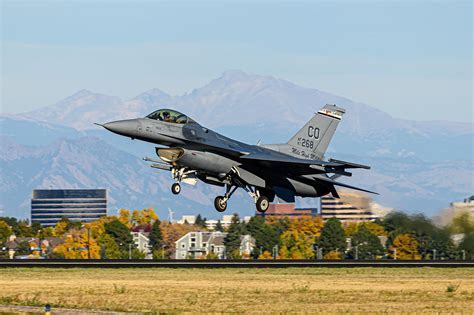
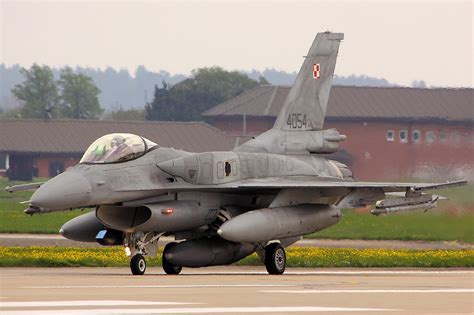
The F-16 Ground Collision Avoidance System (GCAS) is a groundbreaking safety technology designed to prevent controlled flight into terrain (CFIT) accidents, which are among the leading causes of military aviation fatalities. Developed to enhance pilot survivability, GCAS leverages advanced automation and real-time flight data to intervene in critical situations, ensuring aircraft safety even when pilots lose situational awareness or become incapacitated.
How the F-16 GCAS Works
Automated Control Intervention
GCAS functions by continuously monitoring the aircraft’s trajectory, altitude, and speed. If the system detects an impending collision with the ground or an obstacle and the pilot does not take corrective action, GCAS automatically assumes control. It rapidly adjusts the aircraft’s attitude by pulling up the nose and executing an evasive maneuver to restore a safe altitude.
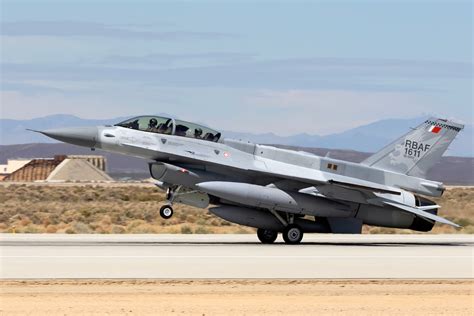
This automatic intervention is especially crucial in situations where pilots experience G-LOC (G-force-induced Loss of Consciousness) or become disoriented during high-speed maneuvers. The system acts as a last line of defense against accidents resulting from human error or incapacitation.
Sensors and Computational Algorithms
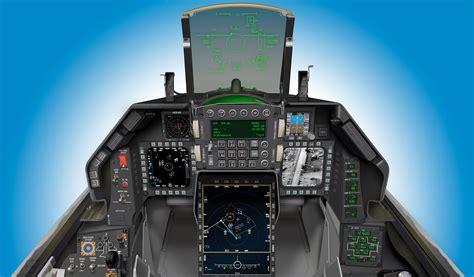
GCAS relies on an array of sophisticated sensors and computational models, including:
- Terrain Database: Utilizes preloaded global elevation data to assess flight paths against known obstacles.
- GPS Navigation: Provides precise location data to improve situational awareness.
- Flight Parameters Monitoring: Tracks altitude, airspeed, attitude, and vertical speed in real-time.
- Onboard Computer Processing: Continuously runs predictive algorithms to determine collision risks and trigger corrective maneuvers when necessary.
By integrating these elements, GCAS operates with minimal latency, ensuring immediate response to potential threats.
Development Background and Effectiveness
Addressing CFIT Accidents
CFIT incidents account for approximately 26% of all fighter jet crashes, with 75% of these accidents resulting in pilot fatalities. The introduction of GCAS represents a major advancement in mitigating this risk, reducing the likelihood of avoidable losses due to pilot disorientation, adverse weather conditions, or operational fatigue.
Proven Performance in Combat and Training
Since its initial deployment in 2014 on the F-16 Block 40/50, GCAS has demonstrated its life-saving potential multiple times. Notably, in 2017, during a training mission, an F-16 pilot lost consciousness due to excessive G-forces. GCAS autonomously corrected the aircraft’s descent, preventing a catastrophic crash and allowing the pilot to regain control safely.
With multiple documented cases of GCAS preventing fatal accidents, it has become an indispensable feature in modern fighter jet operations.
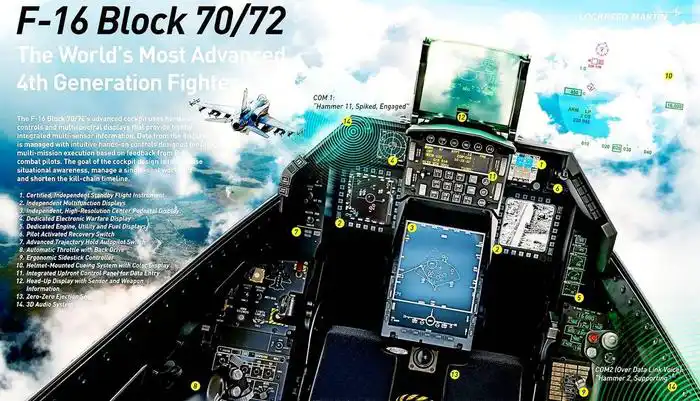
GCAS in the F-16 Block 70/72
Standard Feature in the Super Viper
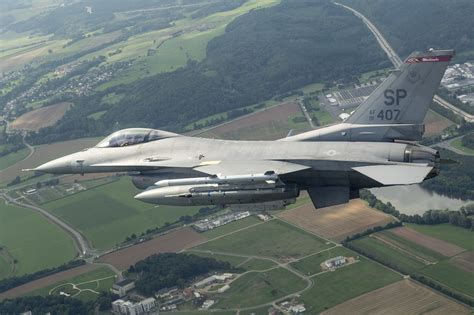
The latest iteration of the F-16 Block 70/72 (Super Viper) integrates GCAS as a standard safety feature, reflecting a commitment to enhanced pilot survivability. This version of the F-16 also includes:
- Advanced AESA Radar for superior situational awareness.
- Upgraded Avionics Suite for streamlined mission execution.
- Structural Enhancements that extend airframe service life from 8,000 to 12,000 flight hours.
By incorporating GCAS, the F-16 Block 70/72 reduces the risk of non-combat losses, ensuring pilots remain operationally effective well into the aircraft’s projected service period, which extends to 2060.
Global Adoption and Deployment
Ukraine’s Use of GCAS-Equipped F-16s
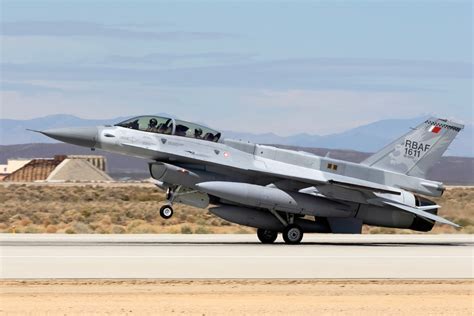
As part of NATO’s military aid, Ukraine has received F-16AM/BM (MLU-upgraded) fighters that are equipped with GCAS. This technology is particularly valuable for Ukrainian pilots, many of whom lack extensive experience operating Western fighter jets. GCAS provides an additional layer of security, helping pilots navigate challenging combat environments while reducing the risk of CFIT-related losses.
Export and Operational Restrictions
Despite its life-saving capabilities, GCAS is a tightly controlled technology under the U.S. Foreign Military Sales (FMS) program. The system’s export is subject to restrictions, particularly concerning nations with complex geopolitical dynamics. For example, Pakistan’s F-16 fleet is subject to strict operational guidelines. Should Pakistan violate its F-16 usage agreements, it risks logistical and technical support restrictions imposed by the U.S.
Challenges and Controversies
Pilot Adaptation and Over-Reliance on Automation
While GCAS enhances safety, some pilots express concerns over excessive dependence on automation. A key challenge is ensuring that pilots maintain their manual flying skills while benefiting from GCAS’s protective capabilities. To address this, military training programs incorporate simulated GCAS interventions to help pilots understand its functions and limitations.
Future Integration with AI and Enhanced Sensors
As aviation technology evolves, GCAS is expected to integrate with artificial intelligence (AI) and more advanced sensor networks. Future iterations may feature:
- Machine Learning Algorithms that adapt to pilot behavior.
- Enhanced Sensor Fusion for real-time terrain and obstacle mapping.
- Predictive Analytics to anticipate hazardous flight conditions.
Such advancements will further refine GCAS, making it even more effective in preventing air-to-ground accidents.
Conclusion
The F-16’s Ground Collision Avoidance System (GCAS) represents a monumental leap in fighter jet safety technology. By autonomously intervening to prevent collisions, GCAS has already saved numerous lives and continues to be a pivotal component in modern combat aviation. As it becomes a standard feature in the F-16 Block 70/72 and other advanced aircraft, GCAS underscores the growing role of human-machine collaboration in military aviation.
As technology progresses, GCAS will likely serve as a foundation for even more sophisticated flight safety systems, ensuring pilots remain protected in both training and combat scenarios.
Frequently Asked Questions (FAQ)
1. What makes GCAS different from traditional terrain warning systems?
Traditional Ground Proximity Warning Systems (GPWS) provide alerts but rely on the pilot’s response. GCAS, on the other hand, autonomously takes control and executes evasive maneuvers if the pilot does not react in time, offering an extra layer of safety.
2. Has GCAS been used in combat situations?
While GCAS primarily prevents training accidents, its implementation in combat aircraft, such as those deployed in Ukraine, highlights its potential role in reducing wartime operational losses due to pilot error or spatial disorientation.
3. Can GCAS be disabled if necessary?
Yes, pilots can manually disable GCAS in specific scenarios where they need complete control, such as low-altitude combat maneuvers or precision strikes. However, disabling it removes a crucial safety net designed to prevent inadvertent ground collisions.