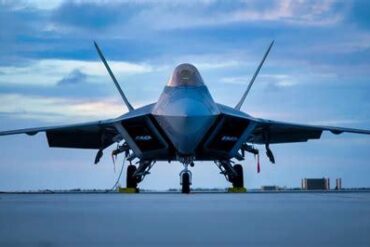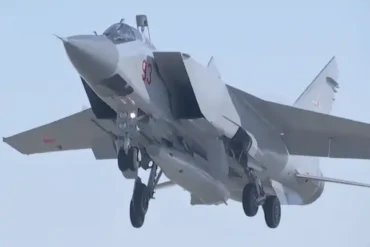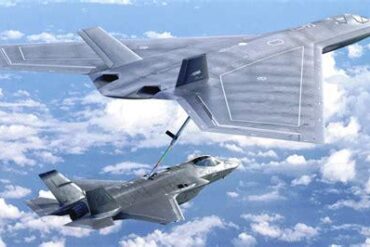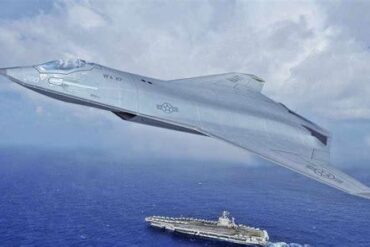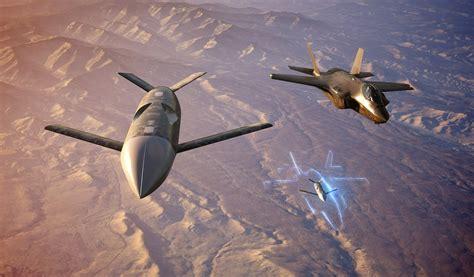
The U.S. Air Force’s fifth-generation F-22 Raptor stealth fighters are poised to become the first operational aircraft to control Collaborative Combat Aircraft (CCA) drones, marking a watershed moment in the evolution of air combat. The planned upgrades, which include the installation of tablet-based control systems, signal the Air Force’s commitment to integrating highly autonomous, “loyal wingman” drones into its frontline operations. This initiative represents one of the most ambitious steps toward networked, manned-unmanned teaming (MUM-T) in modern military aviation.
The Air Force’s 2026 Fiscal Year budget proposal outlines significant investments in making the F-22 fleet capable of commanding CCAs, which are set to revolutionize how future aerial warfare unfolds. The modification program, known as the Crewed Platform Integration, earmarks over $15 million to outfit combat-coded Raptors with tablets, communication kits, software updates, and the essential infrastructure to control unmanned systems in flight.
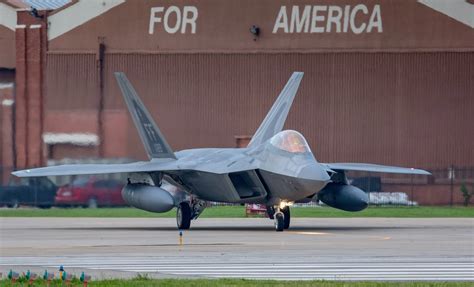
F-22 Raptors Lead the CCA Integration Effort
Currently, the Air Force operates approximately 143 combat-capable F-22 Raptors, with the remaining jets among the 185-strong fleet assigned to training and testing roles. By modifying these frontline Raptors, the Air Force ensures that its most advanced air superiority fighters remain at the pinnacle of its tactical capabilities for years to come.
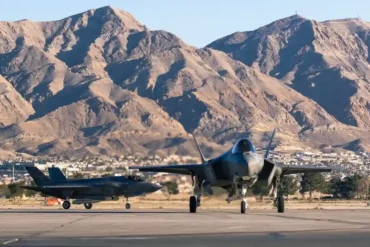
While the specifics of the communication link between the F-22 and the CCAs remain classified, experts widely believe that the Inter-Flight Data Link (IFDL)—a secure, hard-to-jam system used exclusively by F-22s—will serve as the backbone for data sharing between manned and unmanned platforms. Previous experimental work with the XQ-58 Valkyrie, which has acted as a surrogate CCA, demonstrated the potential to bridge communications between F-22s and other fifth-generation platforms like the F-35 Lightning II.
These developments come amid the Air Force’s broader push to build a drone-equipped, multi-domain force capable of dominating future contested environments. The F-22’s superior stealth, speed, and sensor fusion make it the logical candidate to spearhead CCA integration, providing a manned control node that can tactically direct unmanned assets in high-threat scenarios.
The Rise of the Fighter Drone: YFQ-42A and YFQ-44A
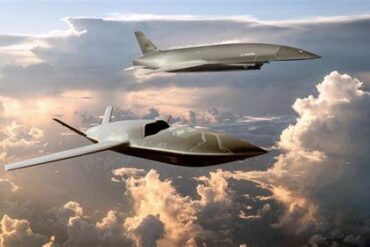
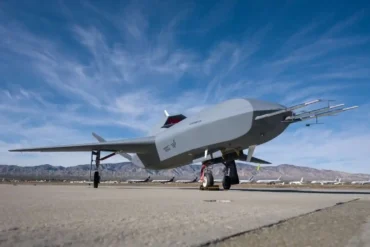
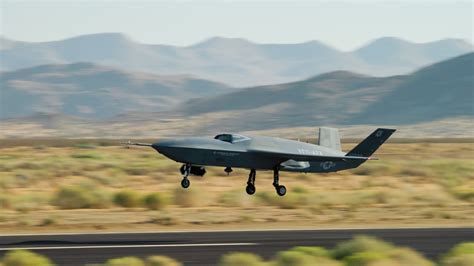
In parallel with F-22 upgrades, the Air Force is investing heavily in the development of CCA prototypes. The 2026 budget request includes $870 million to continue work on the program, which currently revolves around two competing drone designs: the General Atomics YFQ-42A and the Anduril YFQ-44A. These highly autonomous drones are designed to operate alongside manned aircraft, performing roles such as intelligence gathering, electronic warfare, and even kinetic strikes.
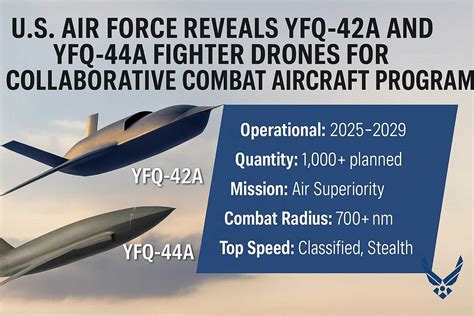
The service’s Increment 1 phase aims to acquire between 100 and 150 drones, with the eventual goal of fielding at least 1,000 CCAs across subsequent increments. The timeline envisions operational deployment of the first drones before the end of the decade, reflecting the urgency to adapt to rapidly evolving peer-threat environments.
CCAs are being developed not just for the Air Force but also in collaboration with the U.S. Navy and U.S. Marine Corps, with an emphasis on creating a common command-and-control architecture. This cross-service approach underscores the importance of CCAs as force multipliers across multiple operational theaters.
Inside the Cockpit: Tablet Control Systems and MUM-T Challenges
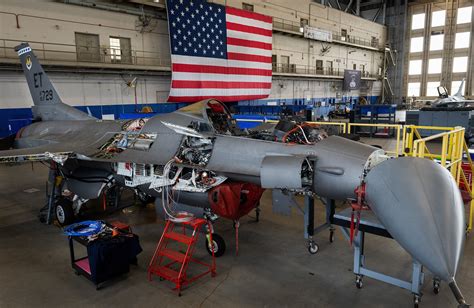
A central feature of the F-22’s CCA control architecture will be the integration of touchscreen tablets within the cockpit. The Air Force’s budget allocates over $12.2 million to procure 142 tablets and associated hardware, aligning with the current number of combat-coded Raptors.
Lockheed Martin, the F-22’s prime contractor, has been at the forefront of demonstrating piloted-drone teaming interfaces, showcasing scenarios where pilots command multiple drones via tablet devices. This technology allows for dynamic battlefield management, with drone swarms engaging targets or conducting surveillance at the pilot’s direction.
However, the introduction of tablet-based control systems raises operational concerns, especially for single-seat fighters like the F-22. Test pilots and industry experts have highlighted the cognitive load required to fly the aircraft while simultaneously managing unmanned assets. Michael Atwood, Vice President of Advanced Programs at General Atomics, candidly remarked on the difficulty of “spatially and temporally” managing both the primary aircraft and CCAs during early trials.
Air Force officials acknowledge these challenges but view tablet interfaces as the fastest route to operational experimentation. As John Clark, former head of Skunk Works, noted, while tablets may not represent the “end state” for CCA control, they provide a low-intrusion, rapidly deployable solution for early field tests.
Expanding CCA Capabilities: Autonomy and Advanced Testing Programs
The future success of CCAs hinges on advancing their autonomous capabilities, minimizing pilot workload, and ensuring safe, seamless integration with manned aircraft. To this end, the Air Force has invested heavily in test programs like Project VENOM and the Experimental Operations Unit (EOU).
Project VENOM involves modifying six F-16 fighters to test autonomy algorithms and manned-unmanned teaming concepts. These aircraft, along with the X-62A VISTA, serve as testbeds for maturing behaviors such as multi-ship coordination, Defensive Counter-Air, and Offensive Counter-Air tactics.
The EOU, recently expanded to squadron size, is tasked with accelerating CCA testing and integration. In FY2026, nearly $55.5 million is requested to support EOU infrastructure, procurement of prototypes, and continued development of simulation environments to refine CCA operations.
Additionally, the Air Force Research Laboratory (AFRL) continues to oversee advanced autonomy testing under initiatives like Skyborg, ensuring a unified approach across test organizations, vendors, and program offices.
The Road to Operational Deployment
Despite significant progress, the Air Force acknowledges the complexities of deploying CCAs at scale. Questions remain regarding launch, recovery, sustainment, and tactical employment of these drones. As Marine Col. Derek Brannon emphasized, safely integrating CCAs into formation flights with manned aircraft requires further technical refinement.
Nonetheless, with the F-22 set to receive tablet-based control systems across its combat fleet, the foundation is being laid for operational fielding. The Raptors’ role as the first CCA control node cements their relevance in an era of evolving air dominance strategies.
Looking forward, the Air Force envisions expanding CCA teaming beyond the F-22 to include platforms like the F-35, future Next Generation Air Dominance (NGAD) fighters, the B-21 Raider stealth bomber, and even support assets like aerial refueling tankers.
The combination of human decision-making with the speed, versatility, and expendability of unmanned systems represents a significant leap in combat effectiveness. As tablet interfaces give way to more integrated control architectures, and autonomous capabilities mature, the Air Force’s vision of a manned-unmanned collaborative force inches closer to reality.
The Raptor, long considered the apex predator of the skies, is now evolving into the nerve center of the Air Force’s next-generation warfighting network—a role that could redefine air combat in the coming decades.