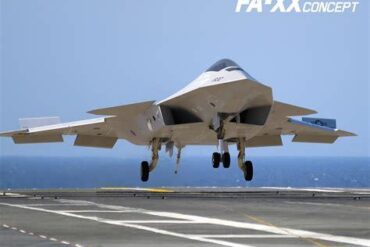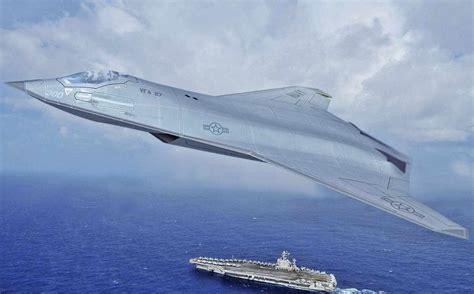
The future of American naval air dominance is under threat as a high-stakes funding dispute unfolds behind closed doors in Washington. At the center of this intensifying struggle lies the F/A-XX program, the U.S. Navy’s ambitious effort to field a next-generation, carrier-based stealth fighter jet by the 2030s. With both Boeing and Northrop Grumman vying for the monumental contract—potentially worth hundreds of billions over the jet’s lifetime—the program’s trajectory has now been derailed by internal resistance within the Department of Defense.
Pentagon Pushes for Delay as Navy Sounds the Alarm
Despite receiving $453 million in Congressional funding, Pentagon officials, including those from Defense Secretary Pete Hegseth’s cost assessment office, are now attempting to redirect those funds elsewhere. According to multiple sources familiar with the matter, this move is part of a broader push to delay the F/A-XX by up to three years, a pause that could effectively nullify current contracts and force a restart of the competition process.
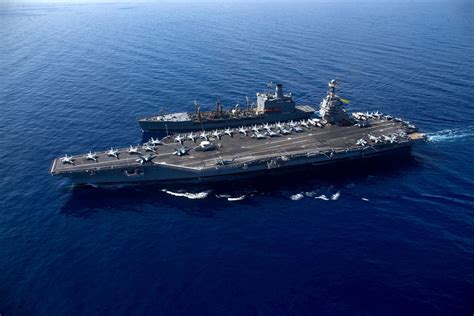
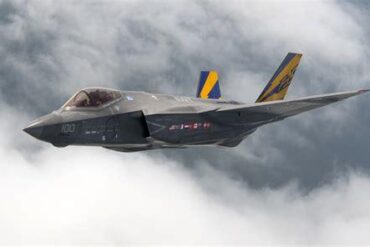
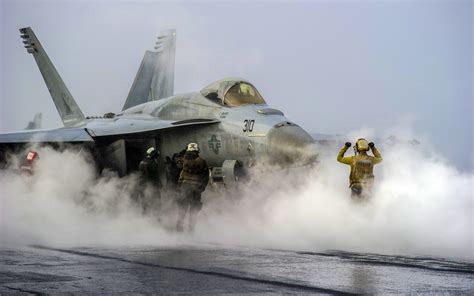
Such a delay would have far-reaching consequences. The Navy, which currently relies on a fleet of 128 aging F/A-18 Super Hornets, argues that postponing the F/A-XX would severely undermine U.S. carrier strike capability in future decades—particularly in high-threat environments like the Indo-Pacific. These legacy aircraft, many in service since the mid-1990s, are becoming increasingly obsolete against emerging threats posed by adversaries such as China, whose J-50 and J-36 stealth fighters are already undergoing advanced testing.
A U.S. official familiar with the Navy’s strategic planning warned: “America can’t do much with its aircraft carriers in 30 years if it doesn’t invest in a next-generation fighter for the Navy.”
F/A-XX: More Than Just a Jet
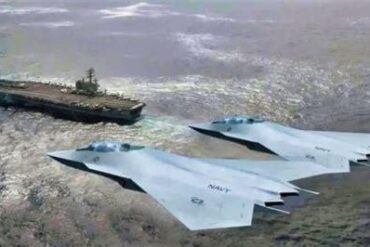
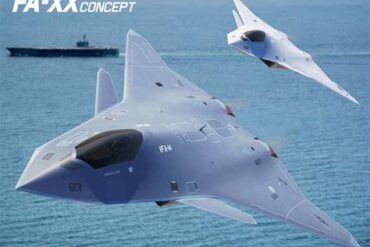
The F/A-XX is envisioned not merely as a replacement for the F/A-18, but as the technological nucleus of the Navy’s future air wing. It is expected to incorporate:
- 6th-generation stealth capabilities
- Advanced sensor fusion and electronic warfare systems
- Extended operational range for carrier operations
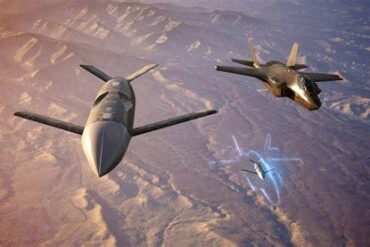
- Integration with autonomous unmanned aircraft systems (UAS)
- Superior air-to-air and air-to-ground lethality
The development of such a platform is non-negotiable if the Navy is to project credible power into contested zones like the South China Sea. With rival nations advancing their own sixth-generation platforms, any delay risks technological overmatch by potential adversaries.
The Broader Strategic Context: Carriers in the Age of Hypersonics and Drones
The Pentagon’s hesitation stems partly from an evolving philosophy regarding future warfare. Influential voices within the administration, including Elon Musk, have called manned fighter jets “obsolete”, favoring drones and autonomous combat systems. This perspective, combined with cost concerns and a desire to reallocate defense funds, has led to efforts to restructure how the Pentagon approaches major acquisition programs.
However, many experts caution against such a shift. Autonomous aircraft remain vulnerable to sophisticated electronic warfare and jamming, especially in a high-intensity conflict with peer adversaries. Crewed fighters, with human judgment and adaptability, are still considered vital components of a balanced force structure.
As one congressional aide put it, “This isn’t about nostalgia. It’s about readiness. We can’t send drones to do a human pilot’s job in every scenario.”
Congressional Pushback and Strategic Deadlock
The Navy has found allies in key Congressional defense committees, where lawmakers are pushing back hard against the proposed funding shifts. According to sources close to Capitol Hill, multiple representatives have delivered stern warnings to the Pentagon and the Office of the Secretary of Defense: “Don’t you dare do this.”
Congress had not only approved the $453 million for FY2025 but had also considered an additional $500 million in a pending reconciliation bill—funds aimed at accelerating the F/A-XX’s development. Pentagon sources now suggest that both tranches are at risk of reallocation.
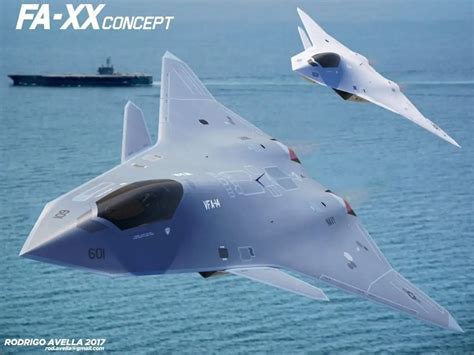
This dual assault on funding has sparked alarm across defense industry insiders and Navy officials alike. Should the delay proceed, contracts would lapse, pricing models would become outdated, and a complete recompetition of the program would be inevitable. This scenario could push operational deployment of the F/A-XX into the late 2030s or beyond, leaving a significant capability gap.
Industry in Limbo: Boeing and Northrop Await Clarity
Two of the defense industry’s titans—Boeing and Northrop Grumman—remain locked in competition for the F/A-XX contract. The exclusion of Lockheed Martin, previously reported by Reuters, narrowed the field but did little to bring resolution amid fiscal and political chaos.
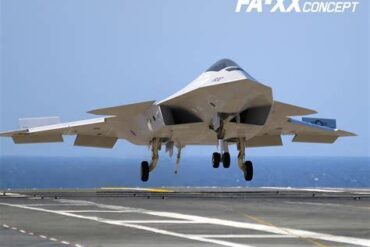
While Boeing recently secured a major win with the U.S. Air Force’s F-47 program, its version of a sixth-generation fighter to succeed the F-22, the Navy program offers a different set of challenges. Carrier-based jets must meet stringent size, durability, and landing requirements, which drastically differentiate them from land-based counterparts.
For now, both Boeing and Northrop have continued internal development in anticipation of a contract, but the lack of forward movement has left engineers and project managers in a state of strategic uncertainty.
Strategic Consequences for Indo-Pacific Deterrence
The geopolitical stakes could not be higher. As China rapidly modernizes its air and naval forces, delays to the F/A-XX compromise America’s power projection in regions where air superiority and long-range strike capabilities are paramount. The Indo-Pacific theater, with its vast oceanic expanses and lack of allied airbases, depends heavily on carrier-based air wings.
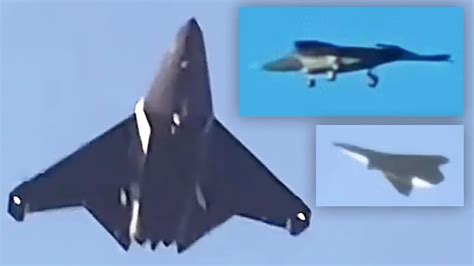
In this context, the F/A-XX is not just a new jet—it is a pillar of strategic deterrence. Without it, future carrier strike groups may lack the survivability and lethality needed to operate in denied environments. As China continues test flights of its own sixth-gen aircraft and refines its anti-access/area denial (A2/AD) capabilities, the absence of a next-generation U.S. Navy fighter could prove to be a critical vulnerability.
Navigating the Road Ahead
Although the Pentagon maintains that it “does not comment on internal communications and pre-decisional or deliberative information,” the pressure to resolve the funding dilemma is intensifying. Lawmakers, naval leadership, and defense contractors are increasingly aligned in their demand to keep the F/A-XX on track.
Still, internal debates about acquisition reform, budget prioritization, and evolving combat doctrine may continue to weigh heavily on the program’s future. The next few months will likely determine whether the F/A-XX remains a cornerstone of future naval aviation or becomes another cautionary tale of bureaucratic paralysis in U.S. defense planning.
As one senior defense analyst observed, “If we abandon this now, we’re not just losing a fighter—we’re ceding the skies to our rivals for the next 30 years.”
The stakes are clear, the clock is ticking, and the path forward demands more than deliberation—it requires decisive action.