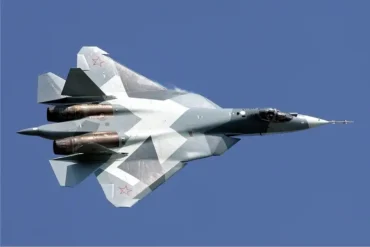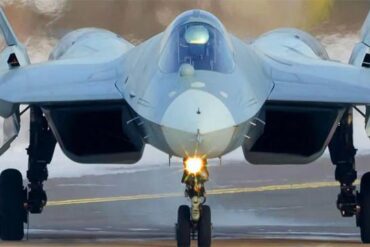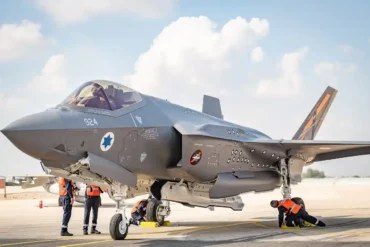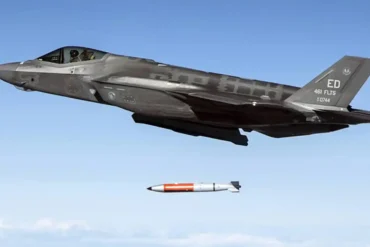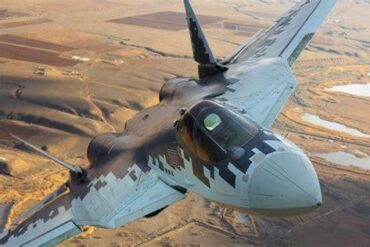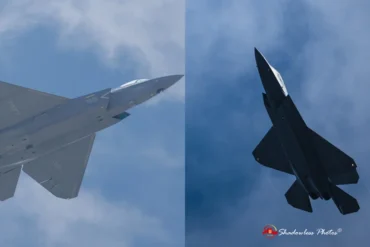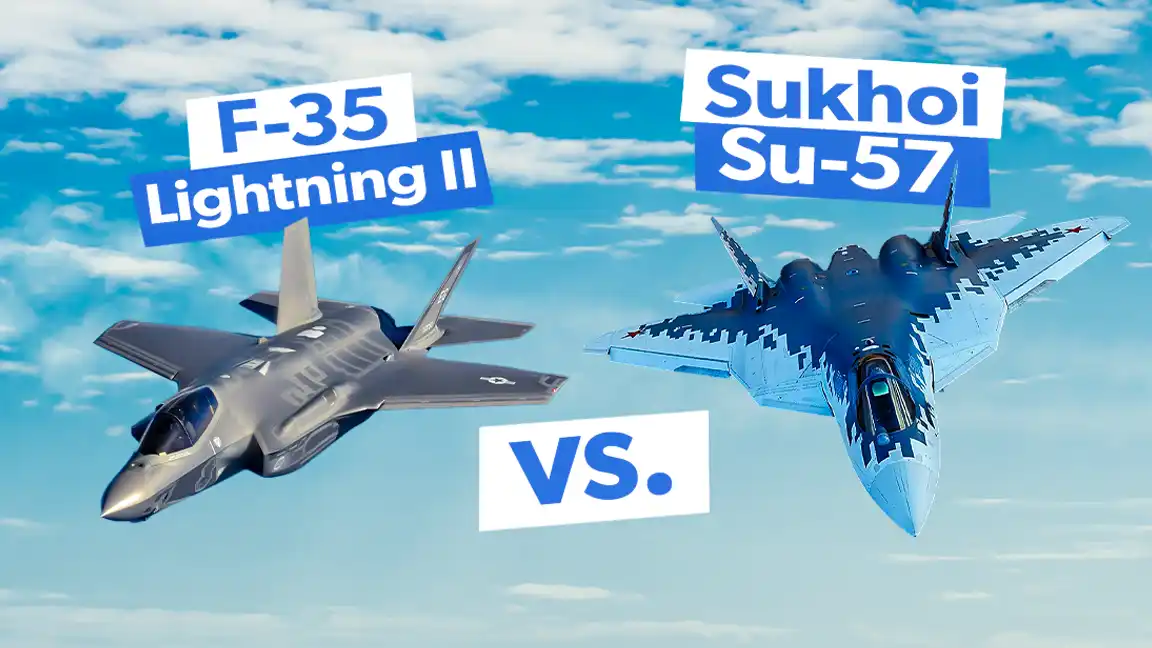
The global arena of fifth-generation fighters is dominated by two titans — the American-made Lockheed Martin F-35 Lightning II and the Russian Sukhoi Su-57 Felon. Each represents a fundamentally different philosophy in aerial warfare, shaped by distinct strategic doctrines, technological capabilities, and industrial ecosystems. In this in-depth comparison, we examine how these two aircraft differ across core parameters such as stealth, avionics, maneuverability, weapons systems, and combat readiness.
Design Philosophy and Strategic Role
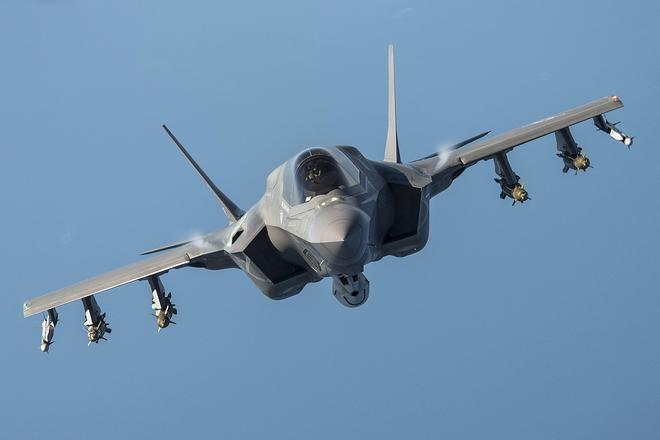
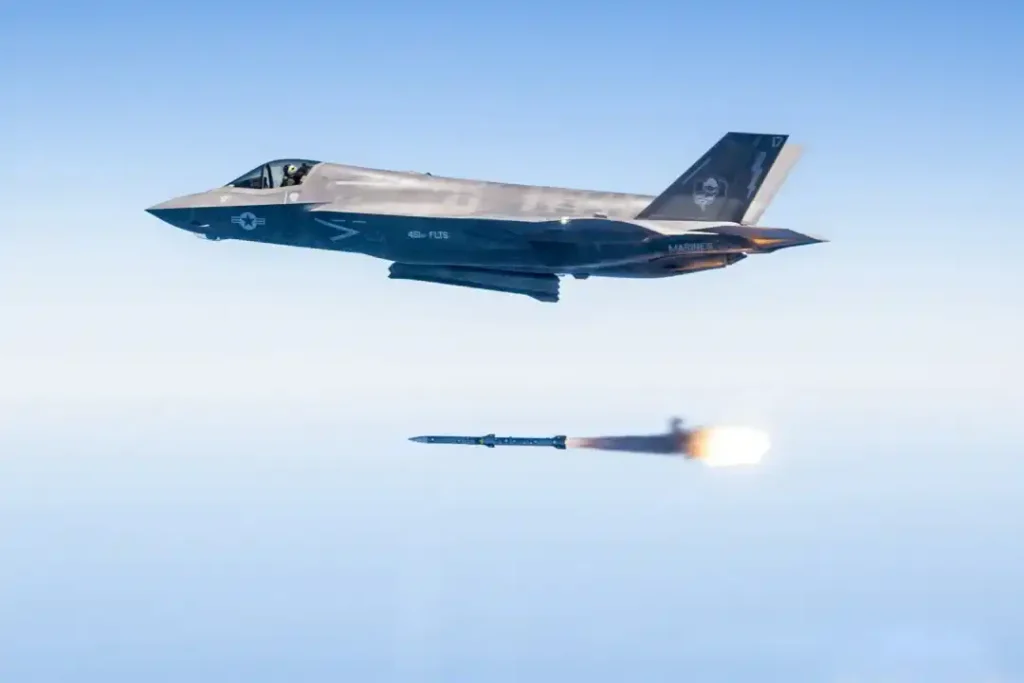
The F-35 Lightning II, developed under the Joint Strike Fighter (JSF) program, was envisioned as a multi-role stealth platform capable of dominating information-centric warfare. Its design prioritizes sensor fusion, network-centric operations, and precision strike capabilities. As a force multiplier, it functions as an “aerial quarterback,” disseminating critical ISR data across allied networks. The aircraft trades superlative dogfighting prowess for enhanced battlefield awareness, stealth, and data integration.
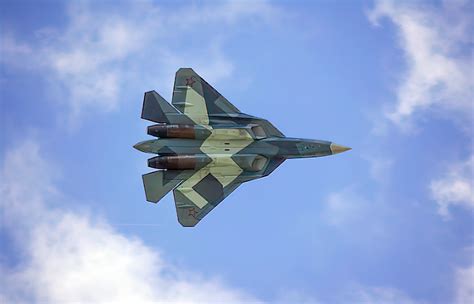
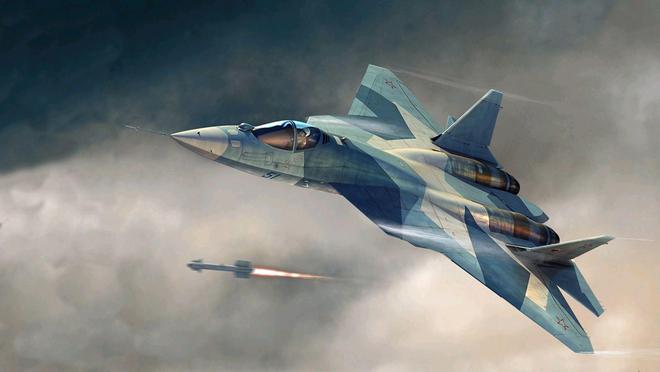
In stark contrast, the Su-57 Felon embodies Russia’s traditional emphasis on air superiority through kinetic dominance. Designed to hunt high-value aerial targets, the Su-57 excels in supermaneuverability, enabled by 3D thrust-vectoring nozzles and high-speed dogfighting capability. It integrates limited stealth with raw thrust, close-combat agility, and a large weapons payload, aiming to overwhelm technologically superior adversaries with maneuver-based tactics and firepower.
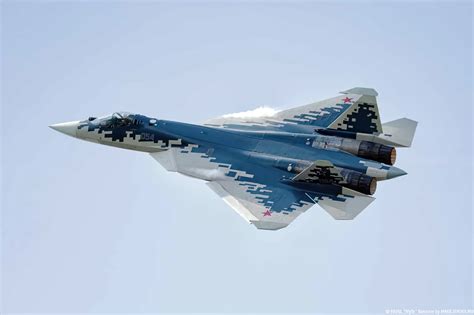
Stealth Capability and Radar Cross-Section
The F-35’s stealth profile is meticulously engineered. Its radar cross-section (RCS) of approximately 0.1 square meters is achieved through angled design geometry, internal weapons bays, radar-absorbent materials, and carefully contoured air intakes. Combined with the Distributed Aperture System (DAS) and Electro-Optical Targeting System (EOTS), the F-35 minimizes detectability across multiple sensor spectrums.
Conversely, the Su-57’s frontal RCS is estimated at 0.5 square meters, which is significantly higher. The side and rear stealth profiles suffer due to exposed engine nozzles, panel gaps, and conventional fasteners. While it employs some radar-absorbent material and angled surfaces, the Felon was never fully designed for full-spectrum stealth. However, it counters this with L-band radars integrated into its wings, which may allow detection of stealthy aircraft like the F-35 under specific conditions.
Maneuverability and Flight Dynamics
In terms of kinematic performance, the Su-57 dominates close-combat scenarios. Its twin AL-41F1 engines, producing a combined thrust of over 30 tons, support supercruise at Mach 1.5 and allow advanced post-stall maneuvers such as the Pugachev’s Cobra, flat spins, and high-angle-of-attack loops. These are enabled by its three-dimensional thrust vectoring — a technology not present on the F-35.
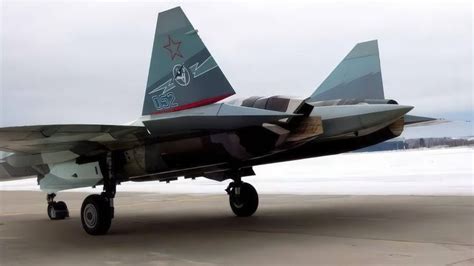
The F-35, powered by a single Pratt & Whitney F135 engine with 19 tons of thrust, reaches a top speed of Mach 1.6, but lacks supercruise. Its agility is optimized for medium-range engagements and multi-role tasking rather than within-visual-range (WVR) dogfighting. In close combat, it relies more on advanced missile systems and situational awareness than on tight turning radii.
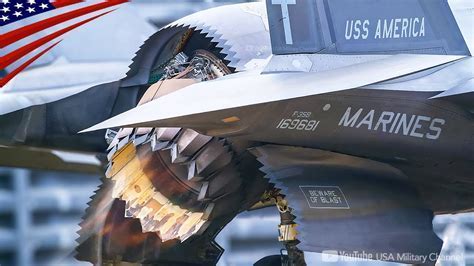
Avionics, Sensors, and Data Fusion
The F-35 sets a global benchmark in sensor fusion and electronic warfare. Its APG-81 AESA radar, combined with the DAS, EOTS, and multi-spectral sensors, feeds data into a single pilot interface, dramatically enhancing situational awareness. Its compatibility with the Link-16 network allows seamless real-time data exchange with NATO assets including satellites, UAVs, and AWACS platforms — creating a fully integrated kill-chain across domains.
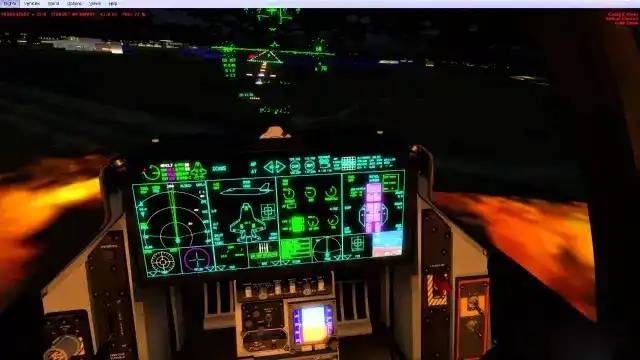
In comparison, the Su-57’s N036 Byelka radar suite offers 360-degree coverage and includes L-band radar arrays. While its detection range exceeds 400 km for non-stealth targets, it is outfitted with fewer T/R modules (about 1,500) compared to the F-35’s 2,200, affecting resolution and multitarget tracking. The Felon lacks a globally integrated data link system, instead relying on Russia’s EHF-band internal communication systems, which remain relatively isolated from broader battlefield integration.
Weapons Loadout and Combat Effectiveness
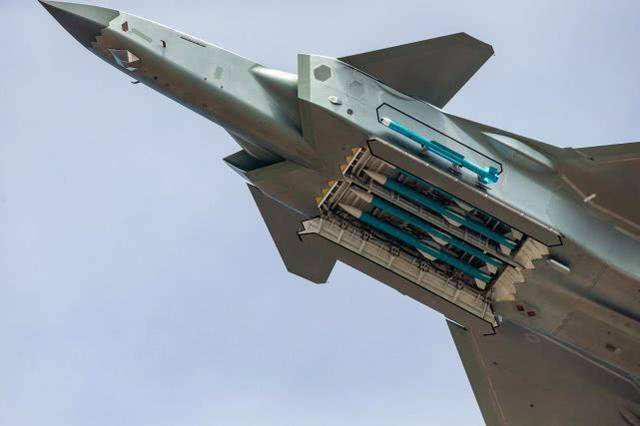
The F-35’s internal weapons bay houses up to 2.6 tons of munitions, including the AIM-120D AMRAAM with a range of 160 km and GBU-53/B Small Diameter Bomb II for precision strikes. When stealth is not prioritized, it can carry over 8 tons of ordinance externally. Its primary doctrine is beyond-visual-range (BVR) engagement, leveraging its stealth to fire without being targeted.

The Su-57 boasts a larger weapons capacity — approximately 7.4 tons, supporting internal and external hardpoints. It carries the R-37M air-to-air missile, with a theoretical range exceeding 300 km, and may be equipped with hypersonic missiles in future variants. However, its radar’s reduced efficacy against stealth targets could limit missile lock-on distances to under 5 km in real-world stealth encounters, significantly hampering actual engagement success against aircraft like the F-35.
Production Scale, Maintenance, and Cost
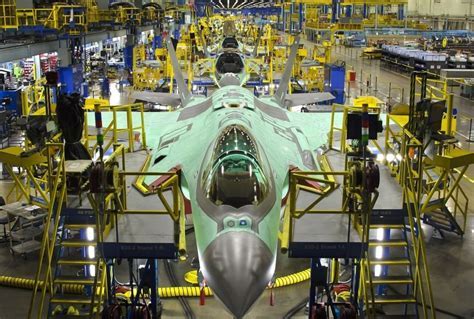
The F-35 has achieved unparalleled production maturity. Over 1,000 units have been delivered globally, with final procurement projected to surpass 3,000 units. Its unit cost for the F-35A has dropped to $82 million, though maintenance remains complex — particularly the stealth coating, which requires reapplication every 800 flight hours.
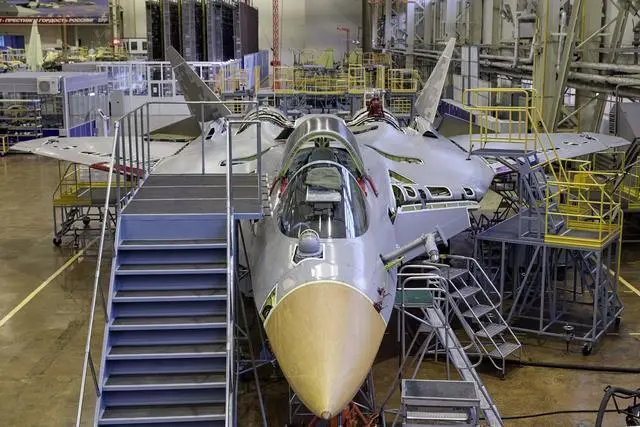
In contrast, Su-57 production has faced multiple hurdles. By 2025, only about 40 units are expected to be fielded, significantly below Russia’s original targets. Its unit cost exceeds $120 million, partly due to low production volumes, sanctions-related supply chain issues, and delays in indigenous engine development. The stealth coating on the Su-57 requires frequent maintenance (every 200 hours), adding to its operational burden.
Simulated Combat Scenarios
In a beyond-visual-range (BVR) engagement, the F-35 is likely to gain first-look, first-shot, first-kill advantage due to its superior low observability and sensor integration. However, the effectiveness of AIM-120D against highly maneuverable or stealth-aware targets like the Su-57 remains a debated topic. If an Su-57 closes the distance, its infrared countermeasures (101KS-O) and dogfight agility could tilt the scales in close quarters.
Under network-centric warfare, the F-35 emerges as a clear victor. Acting as a real-time data relay node, it coordinates with allied forces, unmanned systems, and space-based assets, something the Su-57 currently lacks. In lone wolf scenarios, the Su-57’s autonomy and kinetic performance may provide a tactical edge — though it would likely fall short in a coordinated battle theater.
Conclusion
The F-35 Lightning II clearly dominates in stealth characteristics, avionics integration, production scalability, and networked warfare capability. It was built not as a lone combatant, but as the keystone of modern allied airpower, reinforcing doctrines that rely on information dominance and coordinated engagement. Its limitations in close combat are real but deliberately accepted for the sake of broader mission capability.
The Su-57 Felon, while impressive in raw flight performance, remains technologically behind in key areas such as stealth shaping, battlefield integration, and supply chain reliability. It is designed to fight in environments with lower network dependency, and in that regard, excels at rapid strike and evasion operations, especially against less stealthy or isolated targets.
Despite their differences, both aircraft push the limits of aerospace engineering, each reflecting the military doctrines and industrial strengths of their respective nations.
Frequently Asked Questions
Is the Su-57 more maneuverable than the F-35?
Yes, the Su-57 possesses superior maneuverability due to its 3D thrust-vectoring engines and aerodynamic design optimized for close-combat agility. In dogfighting scenarios, it can execute complex post-stall maneuvers that the F-35 cannot perform.
Which aircraft is more stealthy — F-35 or Su-57?
The F-35 is significantly more stealthy. Its radar cross-section (RCS) is about one-fifth that of the Su-57 from frontal aspects, and its stealth is effective across more radar bands, aided by advanced shaping and materials. The Su-57’s stealth is limited and less effective from side and rear profiles.
Why has the Su-57 had slower production compared to the F-35?
The Su-57’s production has been hindered by technological bottlenecks, limited funding, and Western sanctions, especially affecting critical components like avionics and engine upgrades. In contrast, the F-35 benefits from multinational funding, industrial partnerships, and years of iterative testing and feedback from multiple air forces globally.