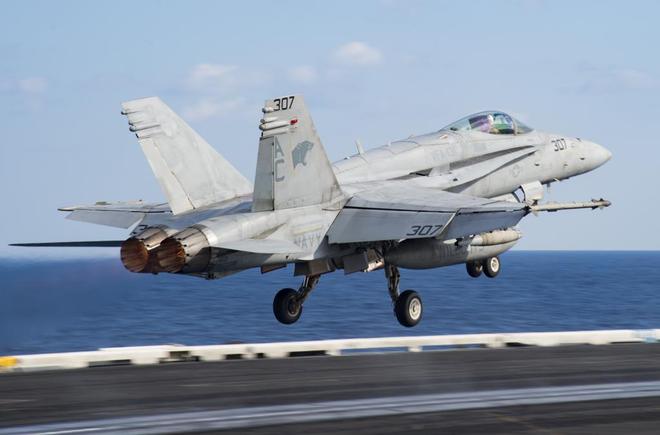
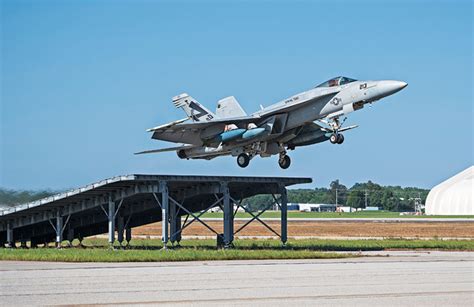
The F/A-18 Hornet and its advanced variant, the F/A-18E/F Super Hornet, have played a critical role in air-to-air engagements since their introduction. Designed as a multirole combat aircraft, the F/A-18 has engaged in numerous aerial battles, successfully intercepting enemy aircraft, unmanned aerial vehicles (UAVs), and cruise missiles. This article explores its key air-to-air kills, providing insight into the aircraft’s combat effectiveness and strategic significance.
F/A-18’s First Confirmed Air-to-Air Kill – Syrian Su-22 (2017)
Background of the Engagement
On June 18, 2017, a Syrian Su-22 fighter-bomber conducted airstrikes near Raqqa, targeting U.S.-backed Syrian Democratic Forces (SDF). The U.S. military deemed this a violation of the deconfliction agreement and dispatched an F/A-18E Super Hornet to intercept the threat.
Engagement and Kill Confirmation
The Super Hornet pilot locked onto the Su-22 using radar and infrared targeting systems, firing an AIM-9X Sidewinder missile. The Su-22 deployed countermeasures, successfully evading the Sidewinder. The F/A-18E quickly responded with an AIM-120 AMRAAM (Advanced Medium-Range Air-to-Air Missile), which struck and destroyed the Syrian jet.
Significance of the Kill
This engagement marked the first air-to-air kill by an F/A-18E/F in a combat scenario and underscored the Super Hornet’s effectiveness against manned aircraft. It demonstrated the AIM-120’s precision and showcased the pilot’s rapid decision-making under combat conditions.
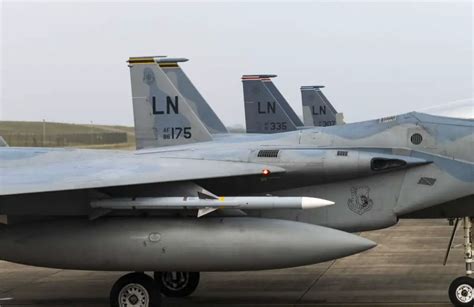
Red Sea Interceptions – Houthis’ Drones and Missiles (2023)
Operational Context
In December 2023, U.S. Navy carrier-based F/A-18E/F Super Hornets from the USS Eisenhower were deployed to counter missile and drone threats launched by Yemen’s Houthi rebels. These attacks targeted commercial and military vessels in the Red Sea, necessitating immediate defensive action.
Interception Details
Utilizing its AN/APG-79 AESA radar, the F/A-18E/F detected and engaged multiple enemy threats, including:
- 12 suicide drones
- 3 anti-ship ballistic missiles
- 2 cruise missiles
The aircraft successfully neutralized these threats using AIM-120 AMRAAM missiles, preventing damage to U.S. naval assets.
Tactical and Strategic Implications
This engagement showcased the Super Hornet’s adaptability in modern asymmetric warfare, particularly against low-altitude, high-speed threats. It also highlighted the integration of naval aviation with shipborne defense systems, reinforcing maritime security in a conflict-prone region.
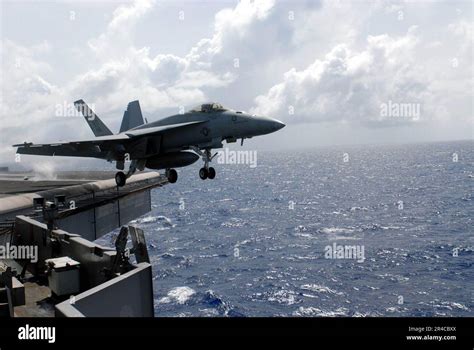
Gulf War Operations – Defensive Maneuvers (1991)
Air Superiority and Combat Missions
During Operation Desert Storm, the F/A-18 Hornet primarily executed ground-attack sorties. However, it was also involved in air-to-air confrontations against Iraqi aircraft. While no confirmed kills were recorded, F/A-18s engaged in dogfights, evading Iraqi MiGs and assisting in air superiority operations.
Combat Effectiveness
- Utilized electronic warfare systems to jam enemy radars
- Executed high-G evasive maneuvers to escape hostile fire
- Provided escort support for other coalition aircraft, ensuring air dominance
Although lacking a direct air-to-air kill record in this campaign, the F/A-18 proved its survivability and tactical flexibility, reinforcing its role as a multifaceted warfighter.
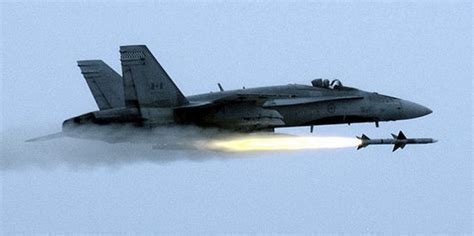
Accidental Engagement – Friendly Fire Incident (2025)
Incident Overview
In January 2025, a U.S. Navy Ticonderoga-class cruiser, USS Gettysburg, mistakenly identified a returning F/A-18E/F as a hostile aircraft. The ship launched a surface-to-air missile, striking the Super Hornet.
Consequences and Lessons Learned
- The aircraft was destroyed, but the pilot ejected safely
- Incident highlighted identification challenges in high-threat environments
- Prompted reviews of friend-or-foe (IFF) recognition systems to prevent future errors
This unfortunate event underscored the complexities of modern combat zones, where electronic warfare and unmanned systems complicate target identification.
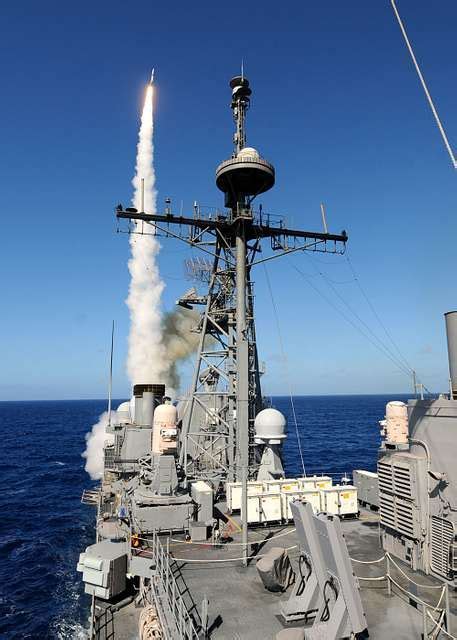
F/A-18 in Simulated Air Combat
Training and Adversary Drills
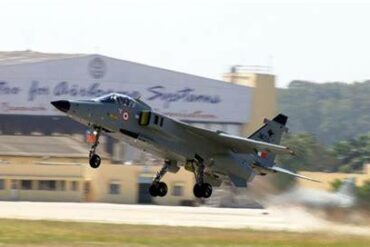
To maintain combat readiness, the U.S. Navy and Marine Corps conduct dogfighting exercises using F/A-18 Hornets against aggressor aircraft, including the F-5E Tiger II and the IAI Kfir.
Performance Highlights
- The F/A-18A/B Hornets used by VMFAT-101 squadron simulate enemy fighters, helping train pilots in close-range dogfighting.
- Advanced glass cockpit displays and quick-switch combat modes give pilots an edge in simulated engagements.
These training exercises refine air-to-air combat skills, ensuring pilots can effectively engage a variety of aerial threats in real-world conflicts.
Conclusion
The F/A-18 Hornet and Super Hornet have consistently proven their effectiveness in air-to-air combat, with notable engagements spanning from 1991 to 2025. From dogfights with manned aircraft to interceptions of drones and missiles, the F/A-18 remains a versatile and lethal platform. As the Block III upgrades enhance its capabilities, the F/A-18 will continue to play a crucial role in modern aerial warfare.
FAQ
1. What was the first confirmed air-to-air kill by an F/A-18?
The first confirmed air-to-air kill occurred on June 18, 2017, when an F/A-18E Super Hornet shot down a Syrian Su-22 fighter-bomber over Raqqa, Syria, using an AIM-120 AMRAAM missile.
2. How does the F/A-18 handle modern aerial threats like drones and missiles?
The F/A-18E/F Super Hornet is equipped with an AN/APG-79 AESA radar and AIM-120 AMRAAM missiles, allowing it to detect and intercept multiple low-altitude threats, including suicide drones and cruise missiles.
3. What role did the F/A-18 play in the Gulf War?
During Operation Desert Storm (1991), the F/A-18 primarily conducted ground-attack missions but also engaged in defensive air combat, using electronic warfare systems to evade enemy aircraft and support coalition air superiority efforts.