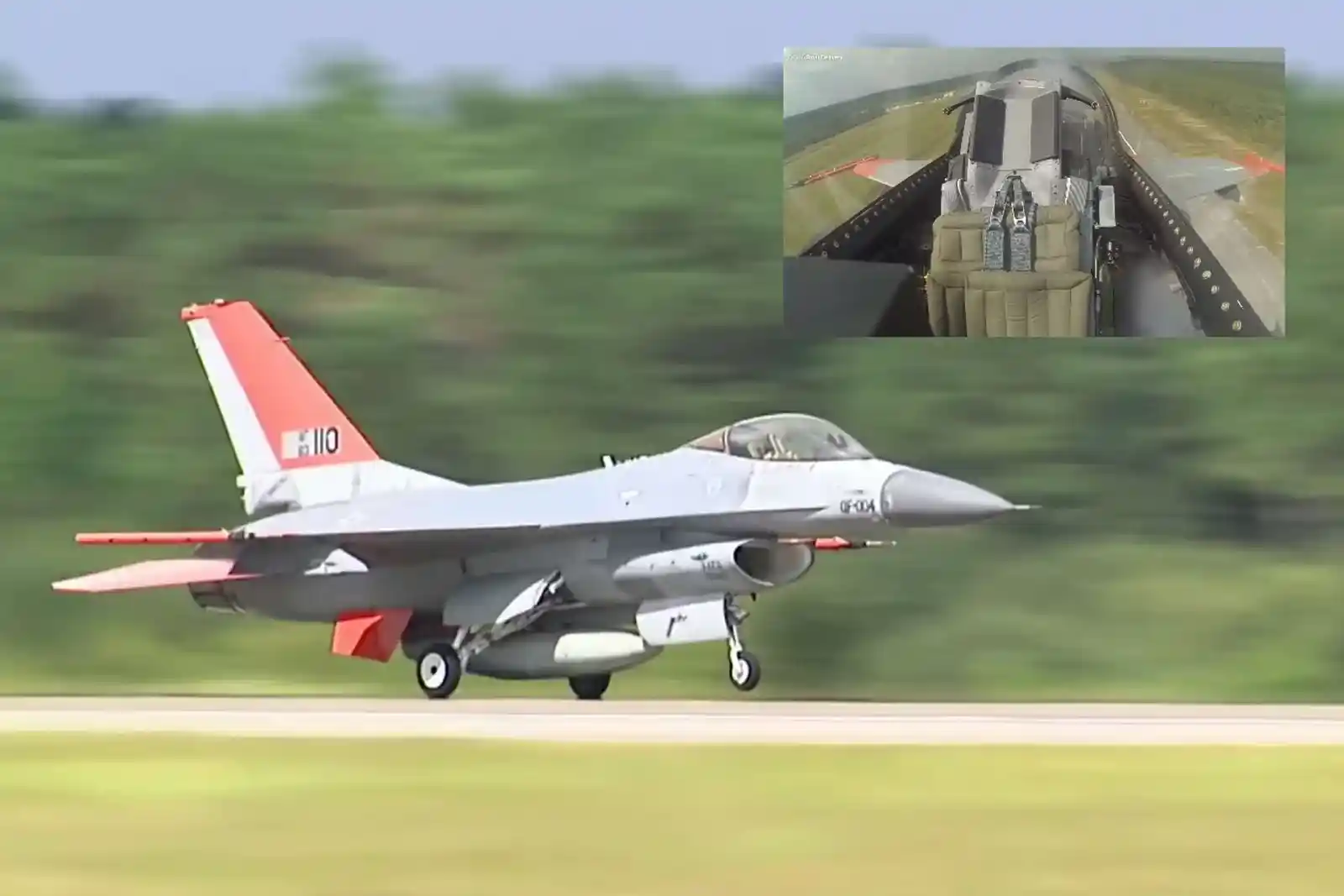
The U.S. Air Force has closed a historic chapter in modern air combat preparation with the delivery of the final QF-16 full-scale aerial target, marking the end of a 15-year conversion effort that transformed 127 retired F-16s into remotely operated, combat-representative drones. This last aircraft is far more than a ceremonial endpoint. It guarantees the United States and its allies at least a decade of realistic, fighter-sized targets for weapons testing, operational evaluation, and high-intensity training—capabilities no simulator, however advanced, can truly replicate.
Across the fighter community, the completion of the QF-16 fleet arrives at a pivotal moment. Air forces around the world are recalibrating for near-peer competition, with adversaries fielding sophisticated aircraft and dense, integrated air-defense systems. The QF-16 fleet allows U.S. units to rehearse the complexities of these environments with uncommon realism, validating cutting-edge missiles, sensors, and tactics under conditions that mirror the uncertainties of real combat.
Inside the QF-16 Transformation: Regenerating Airframes for a New Mission
The QF-16 program began in 2010 as the successor to the QF-4 Phantom II, breathing new life into retired F-16A/B airframes stored at Davis–Monthan Air Force Base. Each jet undergoes a full regeneration process before technicians strip the aircraft down and rebuild it with precision. Repaired structures, overhauled systems, and meticulous testing ensure the platform is once again flightworthy.
Only then does the real transformation begin. Engineers install an array of drone-specific systems—remote command-and-control architecture, autopilot integration, telemetry packages, scoring systems, and mandatory flight-termination hardware that ensures range safety during live-fire events. What emerges is the U.S. government’s only full-scale aerial target capable of mimicking the radar and thermal signatures of a fourth-generation fighter.
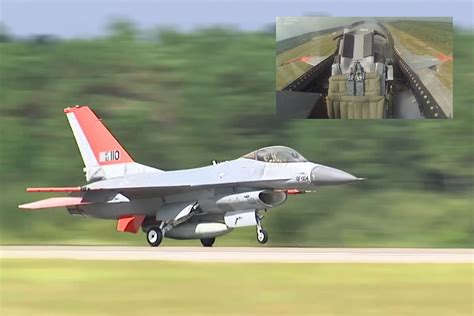
One of the most distinctive traits of the QF-16 is its optionally piloted capability. Before an airframe graduates to full drone operations, F-16 test pilots fly the aircraft manually to verify performance and generate baseline data. Once cleared, the QF-16 becomes a pure unmanned threat platform—able to execute pre-programmed flight profiles, pull high-G maneuvers, and, when required, take a missile hit so engineers and tacticians can learn from the data.
Training Against Realistic Fighter Targets: Why the QF-16 Matters
The operational value of the QF-16 is difficult to overstate. In an era when advanced air forces depend on tightly knit networks of sensors, weapons, and data links, only a full-scale, supersonic, maneuvering target can reveal how those systems behave in the real world.
During evaluations, QF-16s help validate modern air-to-air missiles, probe radar and infrared sensor limits, and rehearse complex kill chains that connect fighters, AWACS platforms, and ground-based air-defense batteries. These missions expose quirks, failure modes, and performance insights that simulators cannot fully capture. Each destroyed QF-16 is a data-rich event—an airframe sacrificed so future pilots can fight and win in highly contested skies.
Allied air forces benefit as well. Through joint exercises, international crews train against the same full-scale targets, ensuring interoperability and confidence that their weapons have been tested against genuine maneuvering threats, not idealized digital models.
A Transition From Production to Sustainment
The delivery of the final QF-16 closes Boeing’s production line in Florida and Arizona, but the company is now deeply involved in long-term sustainment through Boeing Global Services. This phase will focus on keeping the 127-aircraft fleet airworthy, maintaining the drone’s specialized systems, and ensuring strict compliance with safety standards for at least another decade.
The path to this point has not been easy. Engineers and technicians handled aging airframes, supply-chain disruptions, and the profound operational challenges of the COVID-19 era. Yet the program maintained its momentum, supported by daily collaboration with Air Force engineering and quality teams. The result is a mature, reliable fleet that now enters the most consequential stage of its life: operational employment.
Strategic Value in an Era of High-End Conflict
The QF-16 program embodies a larger truth about modern defense innovation: repurposing legacy platforms can unlock immense value when budgets tighten and threats accelerate. By transforming already-paid-for F-16s into advanced aerial targets, the Air Force avoided the cost and complexity of building a bespoke drone fleet from scratch.
More importantly, these aircraft anchor a training ecosystem designed for full-scale, high-end warfare. Whether preparing for integrated air defense penetration, maritime strike defense, or large-force employment exercises, the presence of realistic targets enhances every scenario. For U.S. allies, the availability of QF-16s is a strong assurance that their training and missile validation programs meet demanding operational standards.
“Zombie Vipers” Take Flight Into Their Final Chapter
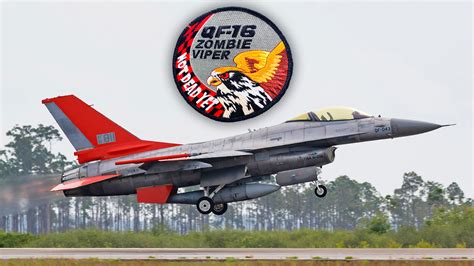
Despite the end of production, the QF-16 story is far from over. These aircraft—nicknamed “Zombie Vipers”—will spend the next decade enabling weapons development, refining air combat tactics, and preparing pilots for contested environments where the margin for error is razor-thin. Many will ultimately fall to live-fire shots, closing their service life in the very role they were rebuilt to perform.
The final aircraft leaving the factory symbolizes a rare and potent capability that few nations possess: the ability to train and test against full-scale fighters, flown unmanned, in authentic combat conditions. This achievement underscores the power of creative engineering and strategic resourcefulness, reaffirming that innovation is often about reinvention as much as invention.
The QF-16 fleet now stands ready for the decade ahead—a proven force multiplier in an era when realistic training may well define the outcome of future conflicts.