Electric propulsion represents a paradigm shift in aviation, promising a cleaner, quieter, and more efficient future. As the industry pursues decarbonization and seeks alternatives to fossil fuels, electric aircraft propulsion systems are emerging as one of the most compelling innovations in aerospace engineering. Driven by technological advances and strategic partnerships, this transformation is redefining how we understand flight.
The Rise of Electric Propulsion in Aviation
The concept of electric propulsion in aircraft is not entirely new. However, only in recent years has it become a viable contender for real-world application, thanks to advancements in battery technology, electric motors, and power electronics. Today, more than 215 electric-powered aircraft are in various stages of development globally, ranging from small UAVs to concepts for large passenger airliners.
Electric propulsion offers multiple advantages over conventional internal combustion engines. These include:
- Zero in-flight emissions when powered solely by batteries or fuel cells
- Significantly lower noise pollution, ideal for urban and suburban flight zones
- Lower operational and maintenance costs due to fewer moving parts
- Improved safety and redundancy with distributed propulsion systems
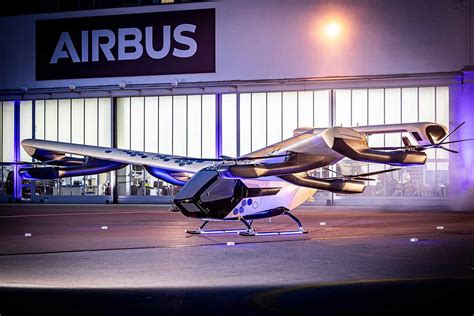
These benefits make electric propulsion a natural fit for Unmanned Aerial Systems (UAS), Urban Air Mobility (UAM) platforms, and regional passenger transport—sectors poised to grow exponentially over the next decade.
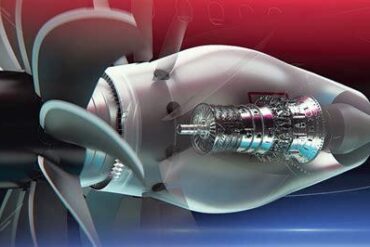
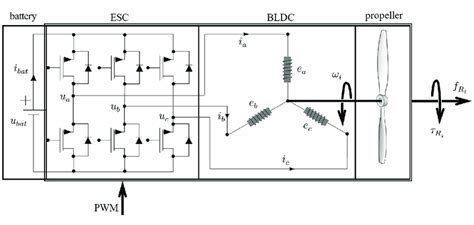
Electric propulsion in aircraft relies primarily on the Electric Propulsion Unit (EPU), an integrated system composed of:
- Electric motor(s) for thrust generation
- Motor controllers (hardware and software)
- Gearboxes to optimize torque and efficiency
- Thermal management systems to regulate operating temperatures
Unlike traditional propulsion, these systems can operate either independently or as part of a hybrid-electric configuration. In a fully electric setup, thrust is generated exclusively via electric motors powered by batteries or fuel cells. Hybrid systems combine electric propulsion with conventional turbine engines, enhancing range and providing backup power.
Honeywell, a leader in aviation power systems, has been instrumental in developing high-performance EPUs. Their collaboration with DENSO, a global automotive systems giant, enables production-scale integration of aviation-grade electric propulsion hardware.
Key Architectures of Electric Propulsion Systems
There is no universal solution for electric propulsion. Instead, aircraft designers select from a suite of architectures based on mission needs:
1. All-Electric Propulsion
Uses only batteries or fuel cells as the energy source. Ideal for short-range flights, this architecture ensures zero emissions but is currently limited by energy density constraints.
2. Turboelectric Propulsion
Here, a turbine generator produces electricity that powers the electric motors. This allows flexible power distribution and reduces mechanical complexity, though the core engine still uses fuel.
3. Series Hybrid Propulsion
A combustion engine drives a generator, which then powers the electric motors. Batteries may supplement power during takeoff or climb.
4. Parallel Hybrid Propulsion
Both electric motors and combustion engines provide direct thrust, operating either separately or together. It’s a transitional architecture offering flexibility.
5. Series-Parallel Hybrid
Combines elements of both series and parallel setups, offering the greatest flexibility but also the most complex integration.
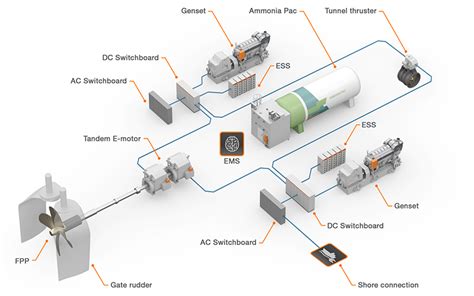
Each architecture offers unique trade-offs in weight, range, redundancy, and efficiency. Honeywell’s proprietary software tool helps manufacturers optimize propulsion design based on aircraft specifications.
Power Generation and Fuel Sources
At the heart of electric propulsion lies the challenge of power supply. While batteries remain the primary option, their energy density and weight limitations make them unsuitable for long-haul flights.
Honeywell has responded by developing a one-megawatt turbogenerator, capable of using sustainable aviation fuels (SAFs) or biofuels to lower emissions. This generator supplies continuous power to the EPU and can recharge onboard batteries, extending the aircraft’s range significantly.
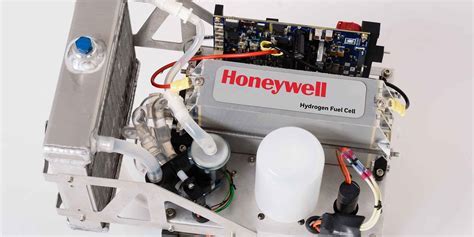
Meanwhile, the company’s acquisition of Ballard Unmanned Systems has enabled them to explore hydrogen fuel cells. These are particularly effective in smaller drones and regional aircraft, offering silent operation and high energy efficiency.
Urban Air Mobility: The Immediate Beneficiary
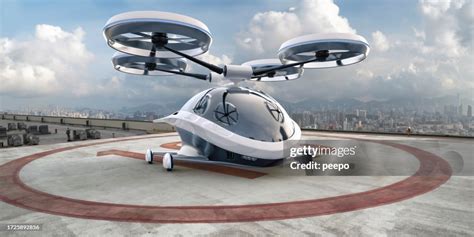
Urban Air Mobility (UAM) represents the most imminent application for electric aircraft. Lightweight, electric vertical takeoff and landing (eVTOL) vehicles will soon transport passengers across cities and congested areas, bypassing traffic and reducing emissions.
These eVTOL platforms demand propulsion systems that are:
- Compact and lightweight
- Capable of high torque at low RPMs
- Redundant for safety
- Cost-effective to produce at scale
The Honeywell-DENSO alliance targets precisely this segment, leveraging DENSO’s automotive-grade manufacturing scale with Honeywell’s aerospace engineering expertise.
Challenges and Roadmap to Certification
Despite immense promise, electric propulsion must navigate significant challenges:
- Battery limitations: Even the best lithium-ion batteries lag far behind jet fuel in energy per kilogram.
- Thermal management: High-power electronics generate heat that must be carefully managed to ensure safety.
- Certification hurdles: Aviation regulatory bodies like FAA and EASA require rigorous testing for new propulsion systems.
- Infrastructure: Charging and maintenance networks must be built to support the new fleet.
However, the combined knowledge of aerospace and automotive sectors is bridging these gaps. Certification protocols are being established, and governments are funding electric infrastructure to support early adopters.
The Strategic Value of the Honeywell-DENSO Partnership
This collaboration is more than just a technical alliance. It represents a strategic blueprint for how aerospace and automotive industries can jointly usher in the next era of aviation.
Honeywell brings:
- Decades of experience in avionics, propulsion, and auxiliary power units
- Deep knowledge of aviation standards and certification pathways
- Sophisticated system integration capabilities
DENSO contributes:
- High-volume manufacturing capabilities for electric motors and controllers
- Proven automotive-grade quality control
- Cost-effective production strategies for rapid deployment
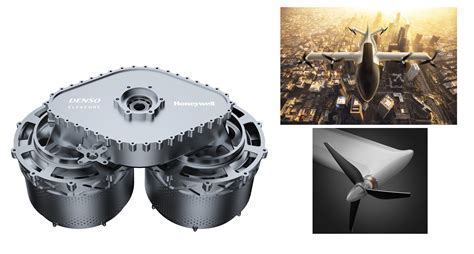
Together, they offer a complete solution for electric aircraft OEMs, from design to delivery. This partnership enables scalable production of EPUs while ensuring each unit meets the rigorous standards required for flight.
Conclusion: The Inevitable Electrification of Flight
Electric aircraft propulsion is no longer a futuristic concept—it’s an active and accelerating movement. As technology continues to evolve, regulatory frameworks mature, and infrastructure grows, we will see a fundamental shift in how aircraft are designed, built, and operated.
With leaders like Honeywell and DENSO paving the way, and with hundreds of new aircraft concepts in development, electric propulsion is set to become a defining feature of 21st-century aviation. From reducing carbon emissions to enabling new mobility paradigms, the electrification of flight is both a technological necessity and a transformative opportunity.