In the blistering chaos of modern aerial warfare, a fighter pilot’s ability to survive an incoming missile strike relies on a razor-sharp blend of split-second decision-making, high-G maneuvering, stealth technologies, and countermeasure deployment. These pilots operate in an environment where mach-speed missiles and cutting-edge sensors create a battlefield unlike anything seen in past generations of combat. Evading a missile is not just a matter of instinct — it’s the result of exhaustive training, sophisticated aircraft design, and a complex web of tactical systems working in harmony.
Since the dawn of dogfighting in World War I, aerial combat has evolved from canvas-covered biplanes to the stealthy, supersonic fighters of today. What hasn’t changed is the goal: outmaneuver the enemy and survive. But today’s threats are far more lethal. With the proliferation of heat-seeking and radar-guided missiles, pilots are now routinely targeted by weapons that can travel multiple times the speed of sound, with pinpoint tracking.
Radar Detection: The First Line of Defense
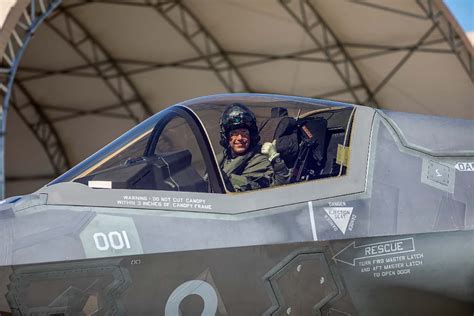
Every second counts in air combat. Modern fighters like the F-22 Raptor and F-35 Lightning II are equipped with highly advanced onboard radar systems that serve as an early warning shield. These systems scan the surrounding airspace continuously, sending out radio waves that bounce off incoming objects such as enemy aircraft or missiles. Once a radar detects a threat, it analyzes the return signal to calculate distance, speed, and trajectory. This real-time situational awareness enables the pilot to make immediate life-saving decisions.
Pilots rely heavily on these systems not just for threat detection, but for understanding the nature of the threat. Is it a heat-seeking missile? Is it a radar-guided one? Each threat demands a different counter-tactic.
High-G Maneuvers: Beating Physics to Cheat Death
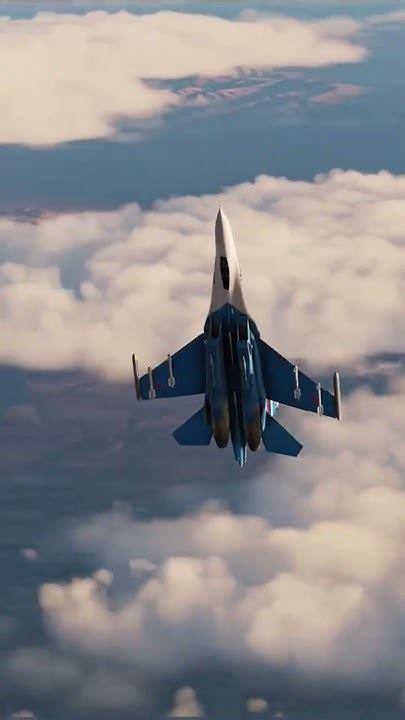
Once a missile is launched, brute speed and aerodynamic agility take over. Fighter pilots execute aggressive high-G maneuvers to outfly or outsmart the missile’s guidance system. These maneuvers can subject the human body to forces as high as 9 Gs, meaning the pilot’s body feels nine times heavier than normal. Only the best-trained aviators, wearing specialized equipment, can endure such punishing forces.
Some of the most widely used evasive maneuvers include:
- Split-S maneuver: A half-roll followed by a dive, used to quickly reverse direction and change altitude.
- Herbst maneuver: Also known as the J-turn, this tactic enables rapid reorientation of the jet in mid-air using thrust vectoring.
- High-speed barrel rolls and hard turns at low altitude to break radar locks.
These techniques require tremendous skill and must be executed precisely within seconds of missile launch.
Countermeasures: Flares, Chaff, and Jammer Tech
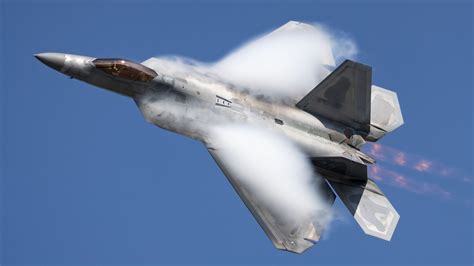
Beyond flying skills, electronic and physical countermeasures give pilots a crucial edge. When a missile is detected, pilots deploy a series of onboard defenses to divert or confuse the threat. Two primary types of countermeasures are used:
- Flares: Intense heat-producing devices that attract infrared-guided missiles away from the aircraft’s engines.
- Chaff: Clouds of tiny metallic fibers released into the air, creating false radar targets that mislead radar-guided missiles.
Advanced fighter jets such as the Eurofighter Typhoon, Dassault Rafale, and F-35 also come equipped with Active Electronically Scanned Array (AESA) radar jamming systems. These can electronically distort enemy radar signatures or break missile tracking by interfering with the radar frequencies used by incoming threats. In many engagements, it’s a combination of jamming and maneuvering that saves lives.
Stealth Technology: Passive Evasion at Its Finest
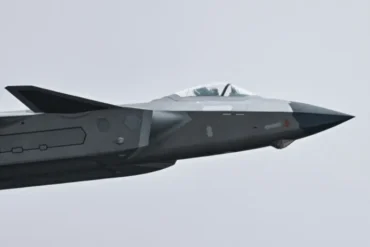
One of the most remarkable evolutions in air combat defense is stealth technology. Stealth doesn’t destroy missiles — it prevents detection altogether. By drastically reducing the aircraft’s radar cross-section (RCS), thermal signature, and electronic emissions, stealth aircraft are far harder to track and target.
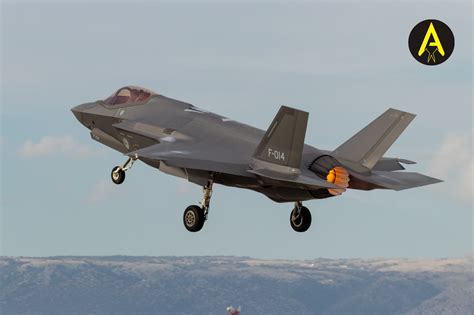
The F-22 Raptor and F-35 Lightning II are both designed with stealth as a core principle, featuring:
- Angled surfaces to deflect radar waves
- Radar-absorbent materials (RAM)
- Internally housed weapons to avoid radar reflection from hardpoints
This passive defense can mean the difference between a successful bombing run and a dogfight with missiles blazing. While not foolproof, stealth allows fighter pilots to strike first or evade without ever being seen.
Pilot Gear and Training: Built for Survival
The human behind the machine is just as critical as the technology. Fighter pilots endure years of elite training to master combat scenarios. They practice countless hours in simulators and in the air, learning to operate under extreme conditions, often experiencing high-G forces, hypoxia risks, and spatial disorientation during flight.
To survive both missile engagements and potential ejections, pilots are outfitted with:
- G-suits: These pressurize the lower body to maintain blood flow to the brain during high-G maneuvers.
- Oxygen masks and visors: Provide clean air and protect against sudden decompression.
- Nomex flight suits: Flame-resistant suits offering thermal protection.
- Night vision goggles (NVGs): For low-light missions.
- Survival vests: Packed with beacons, radios, medical kits, and water.
The fusion of training and gear allows a pilot to function like a weapon system integrated into the jet.
The Future of Missile Defense: Directed Energy and AI
Missile evasion is constantly evolving. As missile technology becomes faster, more agile, and resistant to current countermeasures, defense systems must push boundaries. Research is underway into directed energy weapons, such as high-powered lasers that can destroy missiles mid-flight. These systems promise nearly instantaneous defense with no reload time.
Meanwhile, Artificial Intelligence (AI) is being tested for real-time threat analysis and decision support in the cockpit. AI-assisted targeting, predictive missile path calculation, and autonomous countermeasure deployment could make future dogfights as much a battle of processors as of pilots.
These innovations may one day eliminate the need for human intervention during missile evasion, handing over responsibility to onboard systems that react faster than any pilot ever could. However, the human factor — judgment, adaptability, and creativity — will remain invaluable for the foreseeable future.
Living to Tell the Tale
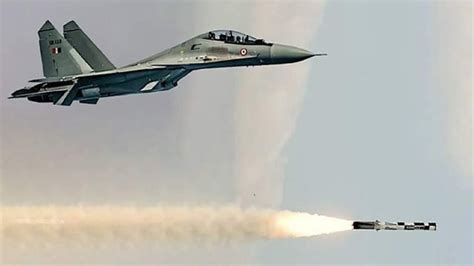
For all their technology, elite pilots still rely on the old instincts of survival. Every missile dodged is a moment when training, intuition, and technology converge. Whether escaping an infrared missile with a timely flare or pulling 8 Gs to throw off a radar lock, the dance between man and machine is breathtaking.
The cockpit is not just a seat in a machine — it is a front-row view into the most lethal and complex form of warfare ever devised. And yet, through a choreography of steel, fire, and willpower, fighter pilots continue to defy the odds. They evade the missile, they complete the mission, and sometimes, they even make it back to base to tell the story.
In the age of beyond-visual-range combat, where missiles can hunt targets dozens of miles away, the survival of the pilot is a testament not only to their training but also to the marvels of aviation technology that keep them one step ahead of death.