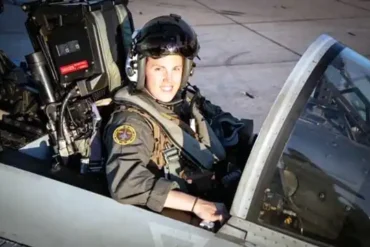
Becoming a military pilot is a prestigious and highly rewarding career path, but it requires dedication, preparation, and a clear understanding of the routes available. If you are a high school senior or someone considering military aviation as a career, it’s crucial to explore the different options and requirements that lead to earning a coveted spot as a military pilot. This guide will walk you through the main pathways, academic requirements, and practical advice on how to achieve your goal of flying for the military.
Officer Commissioning Routes
To become a military pilot, all candidates (except Army warrant officers) must first be commissioned as officers. There are four primary paths to achieving this officer status, and each has its own unique requirements:
- Service Academies: These prestigious institutions, such as the United States Air Force Academy (USAFA), offer a direct path to becoming an officer and military pilot upon graduation.
- ROTC Programs: The Reserve Officer Training Corps (ROTC) allows students to complete a college degree while training to become officers. This program is available at many universities.
- Officer Candidate School (OCS): OCS is a post-graduation option where candidates can commission as officers after completing an intense officer training program.
- Marine Corps Platoon Leaders Course (PLC): The Marine Corps offers the PLC, which also leads to commissioning and eventual flight training.
Each of these routes offers distinct advantages and challenges, depending on your personal interests and goals.
Academic and Performance Requirements
The specific degree you pursue in college does not directly affect your chances of becoming a military pilot. However, maintaining a high GPA is absolutely crucial. You should choose a degree that interests you while focusing on performing well academically. For instance, students have switched from fields like Aerospace Engineering to Poultry Science, excelled in their coursework, and still earned Air Force pilot slots.
An example of this success is Maj. Josh “Cabo” Gunderson, the F-22 demo team commander, who holds a degree in Geospatial Science. This shows that a passion for learning and strong academic performance matter far more than the specific field of study.
ROTC Advice: Key Tips for Success
For those pursuing the Air Force ROTC, it is vital to stay active in your detachment. ROTC detachment involvement provides visibility and increases the chances of receiving mentorship and advocacy when competing for a pilot slot. You must also ensure you score well on the PCSM (Pilot Candidate Selection Method), which includes your flight hours, AFOQT (Air Force Officer Qualifying Test) score, and multitasking test score. Typically, ROTC candidates need to achieve this by their sophomore or junior year in college.
Staying involved, seeking support from mentors, and maintaining a top-tier academic and fitness record are all critical factors in successfully earning a pilot slot.
Officer Candidate School (OCS) Insights
For those who have already graduated from college, OCS is a route worth considering. The program typically takes about 13 weeks to complete, though it can also be split into two 7-week sessions during the summer. This program will prepare you to commission as an officer and begin flight training.
If you are interested in OCS, be sure to coordinate with a recruiter to secure a pilot slot in advance. This process will require you to demonstrate exceptional leadership skills, physical fitness, and the ability to thrive under pressure.
Marine Corps Path: Unique Pilot Opportunities
The Marine Corps offers a unique opportunity for future pilots. For a long time, the Marine Corps advertised “guaranteed” pilot contracts to recruits, but it is important to note that there is often significant competition for these contracts. Marine Corps candidates must excel in both their physical and mental performance to secure a pilot slot.
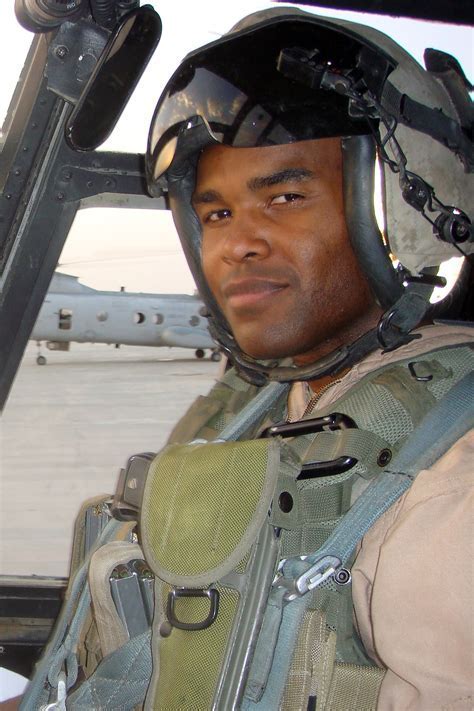
Additionally, while every Marine is trained as a rifleman, Marines who go on to flight school will complete extensive training in rotary-wing or fixed-wing aircraft. Some candidates may even transition from one type of aviation to another, like a CH-53E helicopter pilot who shifts to fixed-wing aircraft later in their career.
Army Aviation Options: Paths for Future Pilots
For those interested in Army Aviation, there are several pathways to becoming a pilot. The Army National Guard and Reserve units offer guaranteed flight training slots if you align with a specific unit and meet the necessary requirements for rotary-wing platforms (helicopters).
Active-duty Army candidates must complete ROTC or attend West Point. After commissioning, you will compete for an aviation slot, which will allow you to select your airframe based on your order of merit list (OML) ranking.
The Army also offers the Warrant Officer “street-to-seat” program, which provides a direct path to flight school without requiring a college degree. This program enables high school graduates to begin their flight training immediately.
Other Considerations: Navy, Air Force, and Coast Guard
Both the Navy and Coast Guard are also excellent pathways for aspiring military pilots. The Navy trains more pilots annually than the Air Force, making it a great option for those who are drawn to naval aviation. The Navy ROTC program is highly recommended for students seeking a college education and a future in aviation. For those who do not need financial assistance, Officer Candidate School or service academies might be more appealing.
The Air Force, while a highly regarded choice for pilots, can sometimes pose challenges for applicants. For example, it is common for AFROTC cadets to have military pilot parents, which may give them an insider advantage in securing pilot slots. Building strong relationships with mentors who can guide you through this competitive process is essential.
Conclusion: Final Thoughts on Becoming a Military Pilot
Becoming a military pilot requires a combination of dedication, academic excellence, and physical fitness. Whether you choose the Air Force, Army, Marine Corps, or Navy, each branch offers pathways to a fulfilling career in aviation. Your path will depend on your preferences for rotary-wing or fixed-wing aircraft, your interest in certain branches, and your ability to meet rigorous physical and academic standards. Remember, persistence and preparation are key to making your dream of becoming a military pilot a reality.
Good luck on your journey toward the skies!