Choosing the best seat on Etihad Airways shapes the entire rhythm of your journey, from the moment you step into the cabin to the moment the brakes whisper against the runway. In long-haul travel, comfort is never accidental; it comes from knowing how each seat type behaves, where each zone sits in the aircraft’s geometry, and how Etihad’s unique amenities shift the experience. This guide explores those seat dynamics in depth, helping travelers secure a space that matches their priorities in comfort, quiet, privacy, and convenience.
Selecting the right seat on Etihad Airways is not merely preference—it directly influences rest, silence, efficiency, and your sense of personal space. Some travelers chase legroom, others crave a clean view of the horizon, and some simply want smooth access to the aisle. Etihad’s cabin design gives room for all these personalities by offering multiple categories of seating, each engineered to enhance a different part of the flying experience. Those seeking to disembark quickly look to the forward sections; travelers vulnerable to turbulence prefer the stillness of the middle zone; budget-minded passengers find relief in the rear cabins. These trade-offs create a landscape where seat selection becomes strategic rather than incidental.
Understanding these nuances ensures that the seat you choose amplifies comfort rather than competing with it. Long hours in the sky reward those who choose carefully, and Etihad’s thoughtfully structured seating makes that choice surprisingly satisfying.
How Etihad Airways Organizes Its Seat Options
Etihad’s booking ecosystem offers several points at which travelers can take control of their seating. An ideal seat may be secured at the moment of booking, but those who postpone the choice can still adjust preferences through the Manage Booking portal or during online check-in. Etihad Guest members benefit from additional advantages: Silver members receive one complimentary standard economy seat, Gold members receive two, and Platinum members receive four. This layered access reinforces loyalty by offering real, material comfort where travelers feel it most.
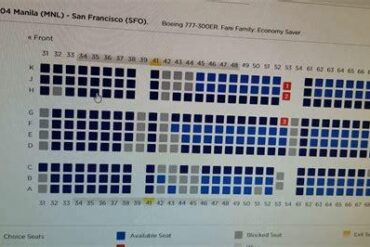
The airline divides its Economy Class into three distinct zones—Forward, Middle, and Rear—each with its own experiential signature. The Forward Zone accelerates deplaning and offers a quieter ambience. The Middle Zone, seated over the aircraft’s stabilizing center of gravity, delivers the smoothest ride and often the most tranquil surroundings. Rear Zone seats satisfy those searching for a lower fare while still enjoying Etihad’s soft-touch service and well-padded seats. The layout produces a variety of experiences that serve multiple types of travelers without compromising overall cabin quality.
Economy Class: Navigating Etihad’s Main Cabin
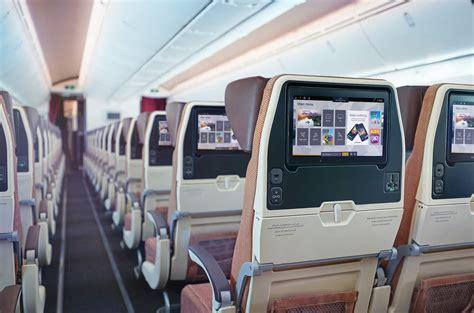
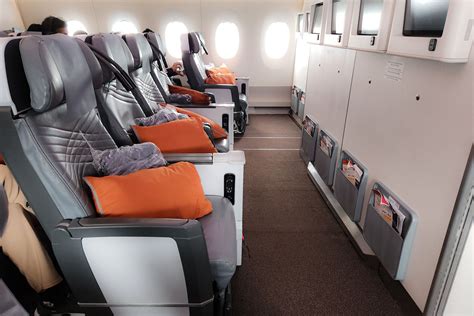
Economy passengers have a spread of choices designed to accommodate different forms of comfort and intention. Forward Zone seats sit near the front of the aircraft and appeal to travelers who value fast exits and less passenger traffic. Middle Zone seats sit in the aircraft’s quieter section, where noise and turbulence diminish, making the zone particularly helpful for sensitive travelers. Rear Zone seats sit closer to the galleys but are cost-effective and popular for families or travelers who prioritize savings.
Passengers needing extra legroom find their sanctuary in the extra-legroom rows, typically situated near bulkheads or emergency exits. These valuable seats stretch the flying experience into something more breathable and less restrictive, giving taller passengers and those with mobility considerations space to extend comfortably. Deluxe fare passengers often receive these seats without paying additional fees.
Bulkhead seats, located directly behind cabin dividers, provide clear space in front without a seatback intruding into your knees. Exit row seats, meanwhile, offer expansive legroom but come with safety requirements: passengers must meet eligibility standards before selecting them. Families with infants lean toward bassinet-compatible bulkhead rows, provided their infants fall within Etihad’s guidelines on size and age.
Business Class: Privacy, Space, and Precision
Business Class on Etihad Airways balances functionality with the feeling of a private retreat. Travelers deciding between window and aisle seats evaluate two different styles of comfort: window seats shield travelers from foot traffic and lend a private cocoon, while aisle seats provide unimpeded access for movement without crossing over a seatmate. Because Business Class serves passengers who often work, sleep, or dine at non-synchronized intervals, this choice shapes the cabin experience more than many realize.
Proximity also matters. Seats near the galley provide immediate access to crew but carry greater noise. Seats tucked far from service areas offer quiet but require longer walks. Long-haul travelers often choose mid-cabin window seats for ultimate privacy and stillness, while those traveling with elderly companions or those who anticipate frequent movement tend to prefer aisle positions for practicality.
First Class: Private Suites and Tailored Quiet
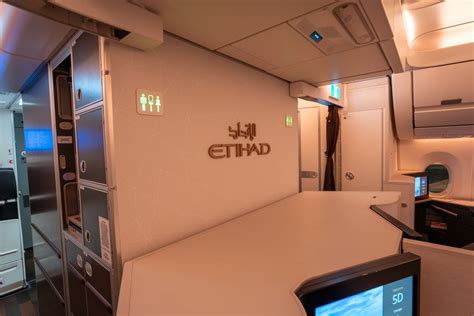
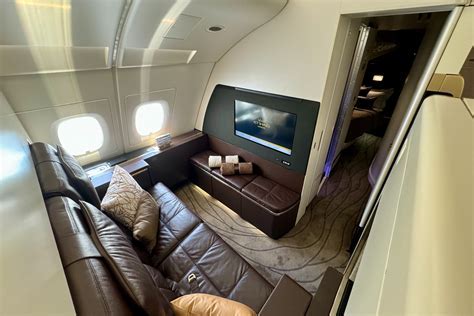
Etihad Airways’ First Class elevates seating into an architectural experience. Private suites serve as self-contained environments with sliding doors, fine dining, plush bedding, and hand-selected amenities. Passengers may choose from front-row or rear-row suites, each catering to different sensitivities. Travelers prone to motion discomfort find more stability in forward positions, while those craving the deepest sense of isolation choose suites toward the rear, where foot traffic naturally diminishes. Every suite grants complete privacy, turning the journey into a curated personal space.
Matching Your Seat to Your Travel Priorities
The seat that fulfills your travel expectations depends on how you balance legroom, recline, proximity, and privacy. Travelers hunting for space appreciate bulkhead, exit row, and Business Class seats. Reclining seats in Business Class convert into full-flat beds, offering an almost domestic level of comfort for overnight flights, while First Class suites surpass even that by adding spatial separation, warmth, and the quiet of a private room.
Travelers sensitive to noise or movement tend to avoid seats near galleys and lavatories, choosing the steady quiet of the middle cabin instead. Those who value swift exits seat themselves near the front. Aisle seats deliver mobility, but window seats provide a clean panorama, helping travelers who love photography or prefer to lean against the aircraft wall. Cabin suites in First Class outshine both, giving complete separation from surrounding passengers and ensuring uninterrupted rest.
Families traveling with infants rely on bassinet seats, placed exclusively on bulkhead rows. Passengers with disabilities receive seating assistance through Etihad’s service teams, ensuring the chosen seat aligns with mobility needs and accessibility considerations. Pet owners traveling from Abu Dhabi may bring small dogs or cats in the cabin if the carrier meets Etihad’s strict size dimensions, while other animals must travel through Etihad Cargo.
Special Seating Options: Infants, Accessibility, and Pets
Bassinet seating gives infants a safe, comfortable resting space. Etihad allows infants aged seven days to 23 months to use bassinets, provided they fit within the 75 cm and 11 kg limit. These seats must be requested early because each aircraft contains only a limited number of bassinet-ready rows.
Passengers with disabilities work directly with Etihad to secure appropriate seating, often submitting necessary medical documentation during booking. Etihad prioritizes accessibility, ensuring passengers receive support both at the airport and in the cabin.
Pet owners must follow Etihad’s rules for in-cabin animals. Dogs and cats may fly in Economy and Business when departing from Abu Dhabi, but certain countries enforce separate requirements. Carriers must not exceed 40 x 40 x 22 cm for in-cabin travel, and passengers must confirm all entry rules of the destination country.
How to Modify, Change, or Upgrade Your Seat
Travelers may revise a seat selection anytime before completing online check-in. After check-in, adjustments are no longer permitted online, but Etihad staff may assist at the airport depending on availability. Changes may incur fees based on destination and seat type.
Upgrading seats presents three primary paths: using Etihad Guest miles, placing a bid through the airline’s upgrade bidding system, or securing an instant upgrade at the airport. Travelers who bid must submit their offers through the Manage Booking page, and if Etihad accepts the bid, the seat upgrades automatically. Monitoring Etihad’s official site ensures passengers do not miss promotional upgrade opportunities.
Conclusion
Choosing the ideal seat on Etihad Airways transforms a routine flight into a carefully shaped experience. Whether traveling in Economy, Business, or First Class, the right seat amplifies comfort, supports rest, and aligns with your personal priorities. Travelers seeking legroom gravitate toward bulkhead, exit row, or premium cabin seats; those wanting privacy lean toward window positions or fully enclosed suites. Etihad’s wide range of seat types allows travelers to tailor their experience with precision and satisfaction.
FAQs
What’s the best Etihad Airways seat for extra legroom?
Bulkhead, exit row, and Business Class seats provide the most generous legroom.
Are Etihad Airways Economy seats comfortable?
Yes, Etihad’s Economy seats are well-padded and engineered for long-haul comfort.
Can seats be chosen after booking?
Yes, seat selection remains available through Manage Booking or at online check-in.
Do all Etihad flights offer extra-legroom seats?
Most long-haul aircraft and premium fare types include extra-legroom options such as Deluxe, Economy-Neighbor-Free, exit rows, and Business Class seating.