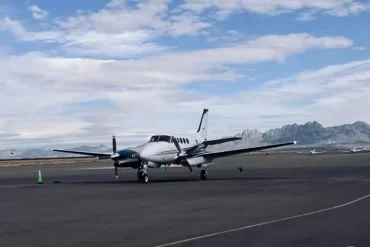
The B-2 Spirit stealth bomber, introduced in 1988, remains one of the most technologically advanced aircraft in the history of strategic aviation. Developed by Northrop Grumman, this flying wing was engineered not only for its radar-evading profile but also for operational efficiency, especially in terms of its crew requirements. While one might expect such a massive and sophisticated aircraft to require a full team of operators, the reality is quite the opposite.
A Two-Person Powerhouse: The Minimal Crew of the B-2 Bomber
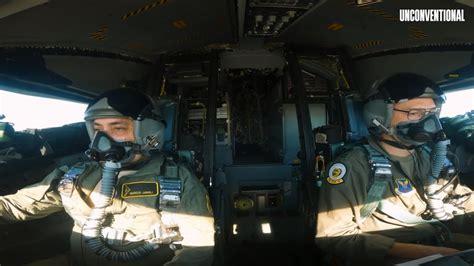
Unlike traditional bombers, the B-2 Spirit is operated by just two people—a stark contrast to earlier bombers that required teams of up to a dozen personnel. The two crew members aboard a B-2 include:
- The Pilot, responsible for flying and managing flight systems.
- The Mission Commander, who serves as co-pilot but is primarily tasked with managing weapon systems, navigation, and mission execution.
This streamlined crew structure is made possible through decades of technological advancement in avionics, automation, and integrated systems. Despite the aircraft’s massive $2 billion price tag per unit, its simplicity in crew size reflects the culmination of cutting-edge defense innovation.

Operational Demands: A Long-Range Strategic Workhorse
B-2 missions aren’t simple flyovers—they are long-range, high-value operations that span continents. Its first combat deployment came during Operation Allied Force in 1999, where B-2s flew from Whiteman Air Force Base, Missouri, to Serbia, dropped precision-guided bombs, and returned—covering over 10,000 miles round trip. The aircraft later took part in Operation Enduring Freedom, flying to Afghanistan and back, totaling over 14,000 miles.
The B-2 has a maximum range of nearly 7,000 miles on a full tank, but most of its missions require aerial refueling. Even during these demanding sorties, the two-person crew remains constant, showcasing their extensive training and the aircraft’s reliable autonomous systems.
Comparative Analysis: B-2 vs. Other U.S. Strategic Bombers
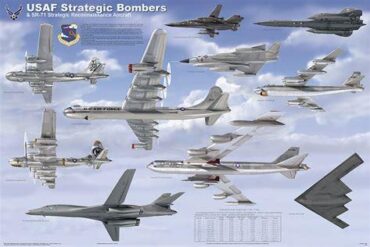
To truly appreciate the efficiency of the B-2, one must look at how its crew size compares to past and present strategic bombers:
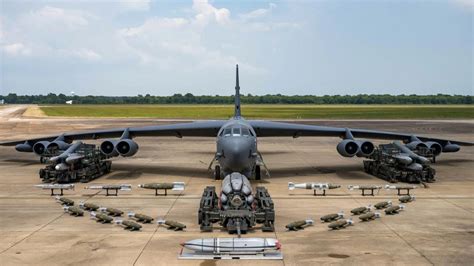
B-52 Stratofortress
The B-52, in operation since the 1950s and still serving today, requires a crew of five:
- Aircraft Commander
- Co-Pilot
- Navigator
- Radar Navigator (bombardier)
- Electronic Warfare Officer
Despite being a symbol of Cold War deterrence and carrying a larger payload, the B-52’s crew-heavy operation model reflects an era of less automation and more compartmentalized tasks.
B-1B Lancer
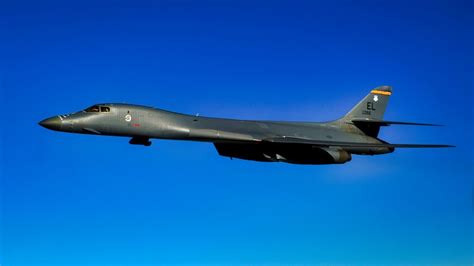
This supersonic strategic bomber entered service in the 1980s and has a crew of four:
- Aircraft Commander
- Co-Pilot
- Two Weapon Systems Officers (WSOs)
The B-1B is known for its variable-sweep wings and high-speed penetration capability, but still relies on manual crew workload, unlike the B-2’s highly digitized systems.
B-17 Flying Fortress
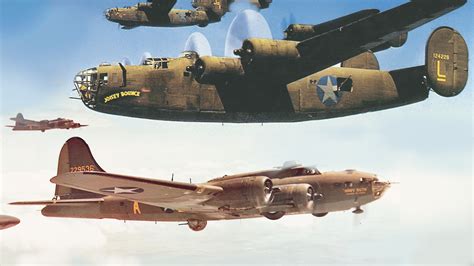
During World War II, the B-17 required a crew of ten:
- Pilot and Co-Pilot
- Navigator and Bombardier
- Radio Operator
- Tail Gunner
- Waist Gunners (2)
- Top Turret Gunner
- Ball Turret Gunner
Each man had a specialized task. The reliance on manual systems, visible gun stations, and analog bombing systems made large crews essential.
B-29 Superfortress
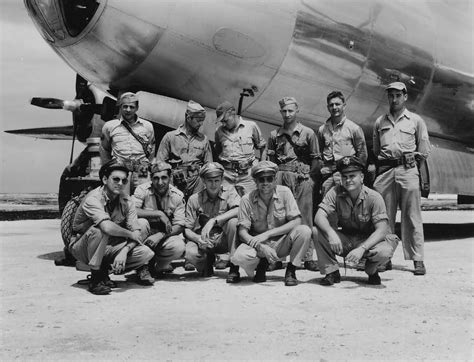
An upgrade over the B-17, the B-29 had a crew of eleven, and famously dropped atomic bombs on Hiroshima and Nagasaki. Its mission complexity and analog control systems required multiple specialists onboard.
Technological Leap: Why Only Two Crew in the B-2?
The B-2’s reduced crew requirement is a direct result of several integrated innovations:
- Fly-by-wire control systems eliminate the need for flight engineers.
- Advanced avionics suites allow pilots to manage navigation, communication, and targeting from the cockpit.
- Mission management software assists in automating routine and mission-specific operations.
- Redundancy in system control allows each pilot to take over full operational capability in the event of an emergency.
Moreover, each B-2 crew member undergoes extensive training that encompasses technical systems knowledge, emergency response, long-duration fatigue management, and strategic mission planning. These aren’t just pilots—they are highly specialized operators of multi-billion dollar national defense assets.
Life Inside the B-2 Cockpit: Conditions and Coordination
Despite the heavy workload, the B-2 cockpit is ergonomically designed to support extended missions. On ultra-long sorties—sometimes stretching over 40 consecutive hours—crew members rotate tasks, alternate rest, and rely on tightly choreographed checklists to maintain precision and focus. Cockpit space is tight but functional, equipped with modern digital displays, oxygen support, satellite communications, and rudimentary refreshment storage.
Unlike transport aircraft or older bombers, there is no standing room, sleeping area, or dedicated restroom. Pilots must rely on aircrew in-flight relief devices, and meals are often pre-packaged or MRE-style provisions. The physical endurance required is immense, further underlining why only elite aircrew are selected for these missions.
Looking Forward: The B-21 Raider and Future Bomber Crews
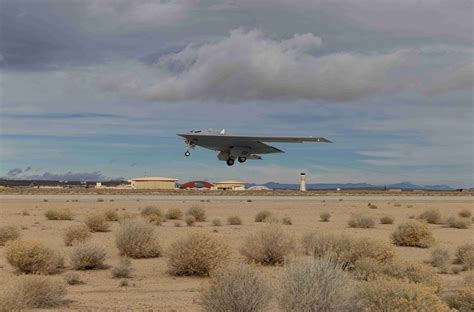
Set to replace the B-2 Spirit in the late 2020s, the B-21 Raider will inherit the two-person crew design. However, it introduces a dramatic evolution in crew philosophy—it will be capable of autonomous operations.
This means the B-21 may eventually fly, navigate, and deploy payloads without any onboard humans. Ground-based operators will monitor and direct missions via secure data links, and artificial intelligence will handle flight control and targeting with human oversight.
It’s unclear how many personnel will be involved in remote operation, but the implications are profound: future warfare may not require a single soul onboard even the most powerful strategic bombers.
Conclusion: Small Crew, Massive Responsibility
The B-2 Spirit is a paradox of modern military aviation—an aircraft so complex, capable, and expensive, yet requiring only two crew members to carry out the most vital long-range strategic missions. It reflects a shift in aerospace doctrine, where fewer humans and more intelligent systems dominate the battlefield.
The next time you see the sleek, bat-like silhouette of a B-2 soaring silently overhead, remember that inside are just two highly trained airmen, bearing the weight of one of the most formidable instruments of national power ever created.
And as the B-21 Raider prepares to take the mantle, the trend is clear: the future of strategic bombing lies not in numbers, but in precision, autonomy, and trust in advanced systems.