Iraq is preparing to transform its aerial combat capabilities with a landmark acquisition of 14 French-built Dassault Rafale F4 fighter jets, a move that decisively signals a pivot away from exclusive reliance on the United States’ F-16IQs. The agreement, expected to be finalized in 2026, would significantly elevate Iraq’s technological edge in air defense and strike operations.
A Strategic Break from the F-16 Era
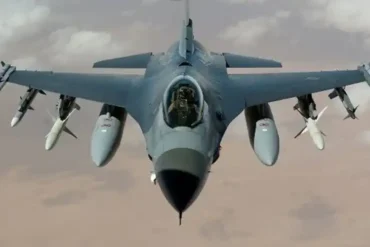
Since acquiring a fleet of 34 U.S.-manufactured F-16IQs—customized, somewhat downgraded variants of the F-16C/D Block 50/52—Iraq has struggled with operational and logistical limitations. These aircraft lack access to modern weaponry such as the AIM-120 AMRAAM or the AIM-9X Sidewinder, relying instead on outdated AIM-7 and AIM-9L/M missiles. Further constrained by modest avionics and restricted electronic warfare capabilities, the F-16IQs have been relegated primarily to ground attack roles, limiting Iraq’s deterrence and engagement options in an increasingly complex regional airspace.
Why the Rafale F4 Represents a Quantum Leap
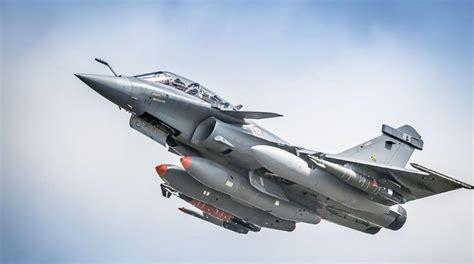
The upcoming Rafale F4s represent a drastic enhancement. Iraq’s prospective fleet—10 Rafale C single-seaters and 4 Rafale B dual-seaters—will all be newly manufactured, not drawn from existing French inventories. This fleet simplification effort will focus resources on a limited but highly potent set of assets. The Rafale F4 is the latest standard of Dassault’s multirole combat aircraft, integrating powerful new features such as enhanced sensor fusion, robust connectivity, and upgraded mission management systems.
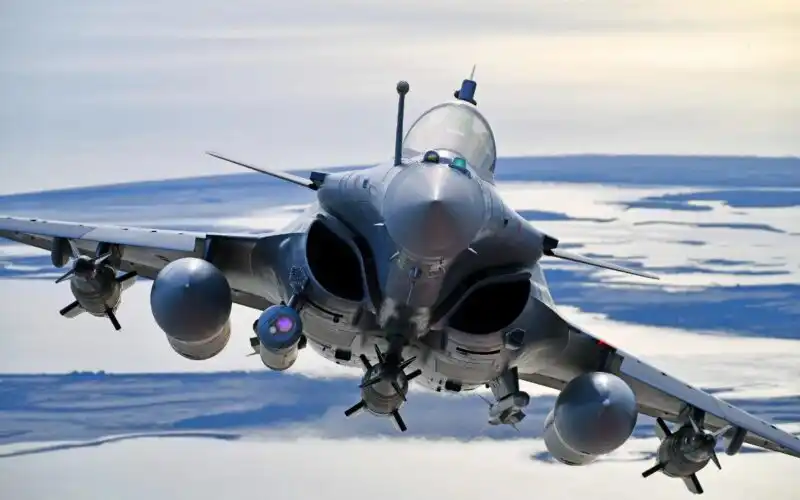
The F4’s backbone is built on the RBE2 AESA (Active Electronically Scanned Array) radar, capable of detecting aerial and ground threats at extended ranges. Combined with the SPECTRA electronic warfare suite, the Rafale F4 achieves a comprehensive sensory and self-defense profile, making it exceptionally suited for contested air environments. Communication is streamlined through the use of Link 16 and a proprietary intra-flight datalink, allowing seamless tactical coordination even under electronic attack.
Weapon Systems: Beyond Visual Range Superiority
The Rafale F4 dramatically expands Iraq’s armament profile. For the first time, Iraqi pilots will have access to MICA NG and Meteor air-to-air missiles, vastly improving both within-visual-range (WVR) and beyond-visual-range (BVR) combat capabilities. The Meteor, in particular, is regarded as one of the world’s premier BVR missiles, capable of engaging agile threats well over 100 kilometers away.
In strike roles, the Rafale F4 will deploy AASM 250 and AASM 1000 guided munitions, providing GPS and laser-guided precision for complex ground targets. These options were previously unavailable with the F-16IQ arsenal, marking a dramatic uptick in offensive flexibility and lethality.
Operational Familiarity and French-Iraqi Military Ties
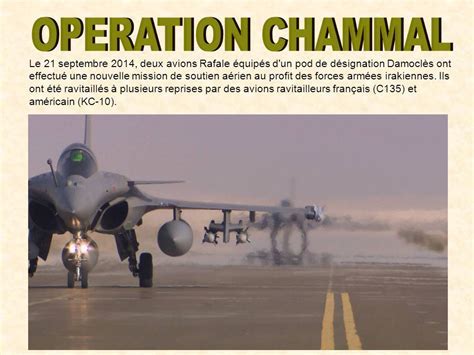
This isn’t Iraq’s first close interaction with the Rafale. Iraqi pilots have flown joint missions alongside French Rafales under Operation Chammal, gaining valuable exposure to the jet’s systems and mission capabilities. Iraqi aircrew have also conducted site visits to France, evaluating the operational conversion and pilot training programs firsthand.
These engagements have fostered a growing trust between Baghdad and Paris, reinforced by parallel defense acquisitions such as the H225M Caracal multirole helicopters and ongoing discussions about integrated air defense systems. The Rafale purchase is, therefore, not just a transactional deal—it’s emblematic of deepening strategic alignment.
The Rafale F4 in Detail: A Technological Powerhouse
The Rafale F4 is powered by twin Safran M88-2 turbofans, enabling supersonic cruise speeds up to Mach 1.8 and an operational ceiling of 15,240 meters. With 14 hardpoints and the ability to carry up to 9.5 tonnes of external stores, the aircraft can be configured for air superiority, ground attack, reconnaissance, or even nuclear deterrence missions.
Cockpit ergonomics have also been overhauled in the F4 standard. Pilots benefit from a new helmet-mounted display (HMD) and enhanced interface systems that reduce decision-making lag in fast-paced scenarios. Furthermore, software architecture has been redesigned to facilitate future weapons integration, ensuring long-term adaptability and modernization.
The aircraft’s combat radius exceeds 1,850 kilometers, allowing it to reach deep into regional hotspots without external support. Designed for both land and carrier operations, the Rafale’s flexibility fits well into a modernizing Iraqi doctrine that must prepare for a variety of cross-border challenges.
From Tactical Constraint to Strategic Deterrence
By acquiring the Rafale F4, Iraq is sending a clear signal to both allies and adversaries: it seeks to graduate from a position of tactical constraint to one of credible deterrence. The regional context is critical. Airspace violations from Iran and Israel have placed Baghdad in a vulnerable position, lacking the technological leverage to enforce its sovereignty decisively.
The Rafale F4’s capabilities bridge this gap. With advanced sensors, superior weaponry, and multirole flexibility, Iraq can now respond proportionally—or preemptively—to a wider spectrum of threats. This includes potential aerial incursions, high-value ground strikes, and even reconnaissance operations in complex terrain.
Challenges Ahead: Training, Integration, and Sustainment
Despite the promise, the shift to Rafale F4s won’t be seamless. Iraqi aircrews must undergo intensive retraining, including simulator hours, flight instruction in France, and mission-specific drills. Maintenance personnel will also need to familiarize themselves with the aircraft’s digital diagnostic and logistics systems, which are significantly different from U.S.-supplied platforms.
Moreover, questions remain about sustainment financing and operational autonomy. Will Iraq rely on French contractors for mid-life updates and maintenance? Can its defense logistics chain adapt to European supply standards and timelines? These are vital considerations for long-term mission readiness.
The Broader Geopolitical Undercurrents
This acquisition also reflects a broader geopolitical rebalancing. Iraq’s defense ties with France have gained momentum as relations with the United States have plateaued. The 2022-2026 negotiation timeline suggests a calculated pivot away from U.S. exclusivity in Iraq’s airpower architecture.
This is not without precedent. Other Middle Eastern nations—including Egypt, Qatar, and the UAE—have already diversified their fleets with Rafales. Iraq’s move positions it within this regional trend of multi-vendor strategic autonomy, seeking to balance Western, Russian, and even Asian defense partnerships in response to shifting threats and alliances.
Conclusion: A Turning Point in Iraqi Air Power Doctrine
The Rafale F4 deal stands to redefine Iraq’s air combat doctrine for the next two decades. Beyond the aircraft’s unmatched capabilities, the deal signifies a broader philosophical shift—one that embraces networked warfare, strategic deterrence, and diversified alliances. Once finalized, this acquisition will not only enhance Iraq’s immediate defense posture but also offer long-term pathways to regional influence and operational self-reliance.
In the skies over Baghdad, a new era is on the horizon—and it roars with twin Safran engines and a French tricolor on the tail.