Korean Air has officially finalized the largest aircraft order in its history, signing an agreement covering 103 Boeing aircraft as the South Korean flag carrier prepares for a major fleet transformation following its integration with Asiana Airlines. Announced in Seoul on September 16, 2026, the agreement is valued at approximately $44.6 billion and includes Boeing’s 777X, 787 Dreamliner and 737 MAX families.
The deal fulfills a commitment Korean Air first announced in August 2025 and represents a major step toward reshaping the airline’s fleet for the next generation of international operations. Boeing describes it as its largest-ever widebody commitment from an Asian airline, underlining the scale of Korean Air’s investment in long-haul passenger and cargo aircraft.
The timing is particularly significant because Korean Air is simultaneously working toward a larger unified airline following its merger with Asiana Airlines. The combined operation will require substantial capacity, while also creating an opportunity to simplify and modernize the fleet. Korean Air expects the newly ordered aircraft to support network growth, replace older widebodies and improve operating efficiency across both passenger and cargo operations.
Korean Air Orders 20 Boeing 777-9 Aircraft for Long-Haul Growth
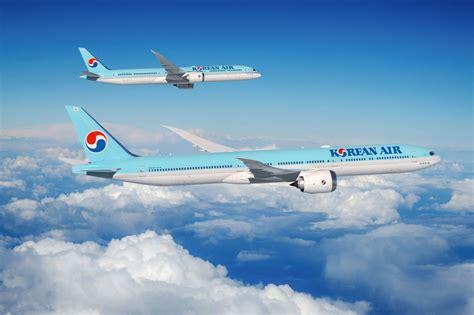
The centerpiece of the passenger portion of the agreement is the Boeing 777-9, with Korean Air ordering 20 additional aircraft. Once delivered, these jets will become an important part of the carrier’s next-generation long-haul fleet and will provide a modern replacement for some of its largest existing aircraft.
The new order raises Korean Air’s total Boeing 777-9 commitment to 40 aircraft. Boeing currently expects the 777-9 to achieve certification in early 2027, after which deliveries can begin. For Korean Air, the aircraft is expected to become a new flagship for high-demand international routes, combining the capacity associated with large widebodies with newer-generation engines, aerodynamics and cabin technology.
The 777-9 also fits directly into Korean Air’s longer-term strategy of replacing older large aircraft. The airline has already retired most of its passenger Boeing 747 fleet, while its remaining 747s are substantially older than the aircraft now being ordered. Korean Air previously announced plans to retire all of its 747 aircraft by 2031, making the arrival of the 777X particularly important to its fleet planning.
The transition will not happen overnight. Large widebody aircraft have long service lives, and Korean Air still operates a mixed fleet that includes Boeing 747s, Airbus A380s and newer-generation aircraft. However, the 777-9 provides a clear path toward gradually replacing some of the oldest and largest aircraft in the fleet.
25 Boeing 787-10s Add Flexible Asian Capacity
Korean Air’s order also includes 25 Boeing 787-10 Dreamliners, giving the airline another important tool for fleet modernization. The 787-10 is smaller than the 777-9 but offers substantial passenger capacity, making it suitable for routes where the larger 777X would provide more capacity than required.
This distinction is important for an airline operating a broad international network from Seoul. Demand can vary considerably between markets, and deploying the largest available aircraft on every long-haul route is not always efficient. The 787-10 can provide additional capacity while allowing Korean Air to match aircraft size more closely with demand.
The aircraft will also contribute to the airline’s effort to improve fuel efficiency across its passenger fleet. Korean Air Chairman and CEO Walter Cho said that acquiring next-generation aircraft is central to the carrier’s fleet modernization strategy, with expected benefits including lower fuel consumption and an enhanced passenger experience.
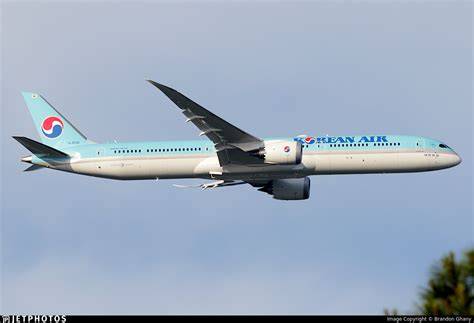
The 787-10 order therefore complements rather than duplicates the 777-9 commitment. The two aircraft types will occupy different roles within the future fleet, allowing Korean Air to operate a broader range of international services with newer aircraft.
50 Boeing 737 MAX 10s Modernize Korean Air’s Narrowbody Fleet
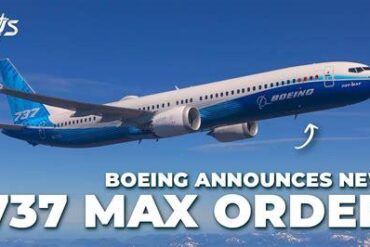
The largest individual aircraft component of the passenger order is the 50 Boeing 737 MAX 10s. Korean Air currently operates 23 Boeing 737-family aircraft, including the 737-800, 737-900, 737-900ER and 737 MAX 8, according to industry fleet data.
Adding 50 MAX 10s will substantially expand the carrier’s narrowbody fleet while introducing a newer generation of aircraft designed to deliver improved fuel efficiency. The MAX 10 will give Korean Air additional capacity for regional and international services where a widebody aircraft is unnecessary.
The order is also significant because Korean Air’s narrowbody requirements are likely to evolve as the combined airline network with Asiana develops. A larger unified carrier will need aircraft capable of serving a wide variety of routes, from high-frequency regional services to longer international sectors within the aircraft’s operating range.
The MAX 10 is expected to receive certification in early 2027. Its eventual entry into Korean Air service will therefore occur around the same period that the airline expects the first 777X aircraft to become available, creating the foundation for a substantial fleet transition.
Eight Boeing 777-8 Freighters Expand Korean Air Cargo Operations
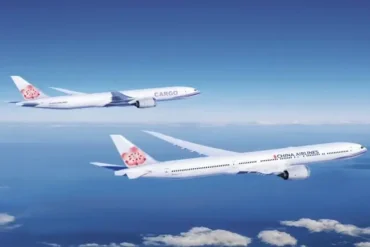
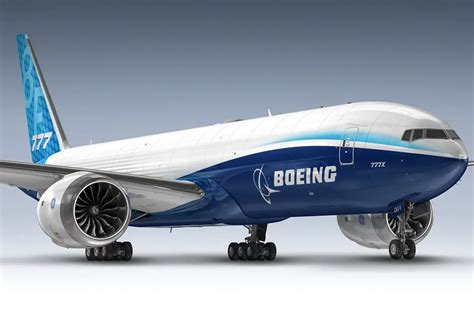
Beyond the 95 passenger aircraft, Korean Air has ordered eight Boeing 777-8F freighters. These aircraft will expand the carrier’s long-haul cargo capacity and eventually complement or replace some older freighter aircraft.
Korean Air already has a strong relationship with Boeing in cargo operations. Its fleet includes 12 Boeing 777Fs, with an average age of approximately 11.4 years, alongside Boeing 747 freighters in both the 747-400F and 747-8F configurations.
The 777-8F is designed to offer an increase of approximately 11 tonnes of structural payload compared with the existing 777F at a comparable 5,000-nautical-mile range. That additional payload capability can be particularly valuable in a cargo market where airlines continually seek to increase revenue-generating capacity without proportionally increasing operating costs.
The new freighters are arriving at an important moment. Integrating Korean Air and Asiana cargo networks will create a significantly larger combined operation, increasing the importance of efficient long-haul freighter capacity. The 777-8F order provides Korean Air with additional flexibility as it determines how aircraft and cargo flows will be distributed throughout the expanded network.
Interestingly, Korean Air is also moving beyond Boeing for future cargo aircraft. The airline has seven Airbus A350F freighters on order, meaning its future cargo fleet will eventually become more diverse than its current predominantly Boeing-based operation.
Korean Air Begins Replacing Its Largest Older Aircraft
The scale of the Boeing agreement becomes clearer when viewed against Korean Air’s existing fleet. The carrier still operates a small number of Boeing 747s, including four 747-400s and 11 747-8s. Their average ages are approximately 21 years and 11.7 years respectively.
The Airbus A380 remains another major component of Korean Air’s large-aircraft strategy, although its fleet has already been reduced. The airline currently has five A380s, after retiring five examples over the past five years. Asiana operates another six A380s, creating an additional fleet-planning consideration as the two airlines integrate their operations.
Korean Air has continued to use the A380 on high-demand premium markets, including Seoul–Los Angeles, where the aircraft’s enormous passenger capacity can be useful. However, the airline expects A380 retirements to accelerate during the 2030s rather than immediately eliminating the aircraft from its network.
The arrival of the 777-9 offers Korean Air an alternative for some of these high-capacity missions. Although the aircraft is not an identical replacement for every A380 operation, its combination of capacity, range and modern technology makes it a central part of the carrier’s future widebody strategy.
$44.6 Billion Boeing Deal Reshapes Korean Air’s Future Fleet
The 103-aircraft Boeing order is ultimately about more than adding aircraft. It represents a coordinated attempt to rebuild Korean Air’s fleet around newer generations of passenger and cargo aircraft while the airline expands through its integration with Asiana.
According to the details of the agreement, Korean Air expects the transaction to expand its widebody fleet by 46% and nearly double its narrowbody fleet. That would provide considerably more capacity for international growth while replacing aircraft that are approaching the later stages of their operational lives.
The combination of 777-9s, 787-10s and 737 MAX 10s also gives the airline a broad range of aircraft sizes. The 777-9 can handle major long-haul markets, the 787-10 can serve routes requiring substantial but more moderate capacity, and the 737 MAX 10 can support shorter regional and international services.
Meanwhile, the eight 777-8Fs strengthen the cargo side of the operation at a time when Korean Air is absorbing Asiana’s network and simultaneously preparing for a more diversified freighter fleet.
For Boeing, the agreement represents a major commercial milestone in Asia. For Korean Air, it establishes one of the most consequential fleet modernization programs in its history, with the first major changes expected to emerge as the 777X and 737 MAX 10 approach certification and delivery from 2027 onward. The result will be a substantially larger and younger fleet designed around the operational demands of a post-merger Korean aviation market.