When flying from the United States to Manila, travelers often weigh their options between two major carriers: All Nippon Airways (ANA) and Philippine Airlines (PAL). While both airlines offer distinct advantages, choosing between them requires a detailed understanding of comfort, cost, service quality, aircraft type, and overall travel experience. Based on traveler feedback and performance benchmarks, this comprehensive comparison explores whether ANA or PAL provides the superior experience for your Manila-bound journey.
Flight Duration and Routing: Direct Speed vs. Stopover Value
The most immediate difference between ANA and Philippine Airlines lies in their route structure. PAL operates direct flights from LAX (Los Angeles) to MNL (Manila) with a typical duration of around 17 hours. By contrast, ANA flights from LAX route through Tokyo, turning the journey into a 24-hour travel day with layovers ranging from 4 to 12 hours.
While PAL’s non-stop convenience is undeniably attractive—especially for time-sensitive travelers—ANA’s stopover presents an opportunity. For those with flexibility, the Tokyo layover (at Haneda or Narita) can offer a cultural detour, even if limited to airport amenities.
Cabin Comfort: Premium Economy on ANA vs. Economy on PAL
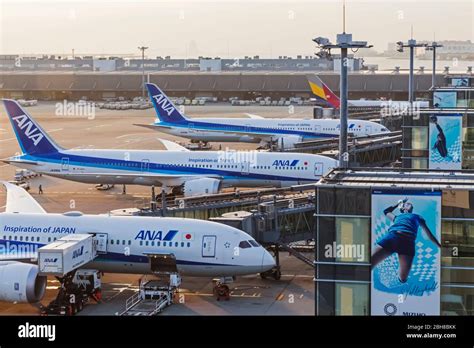
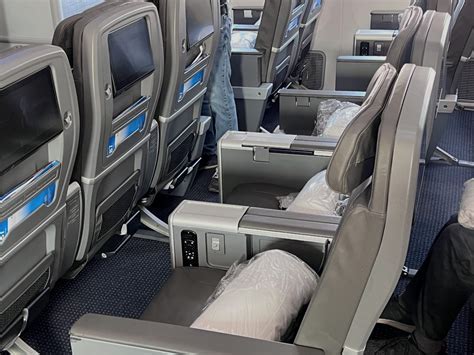
A core variable in this decision is seat class and in-flight comfort. Many travelers find ANA’s Premium Economy superior even to PAL’s standard Economy—thanks to increased pitch, legroom, enhanced meal service, and dedicated cabin staff. ANA operates the Boeing 787-9 Dreamliner on its Japan-Philippines route, featuring state-of-the-art cabin pressurization, quieter cabins, and wider windows that contribute to a calmer flying experience.
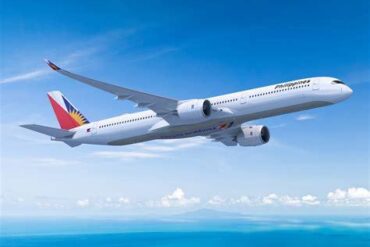
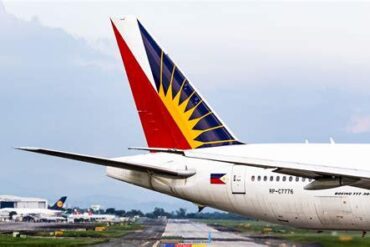
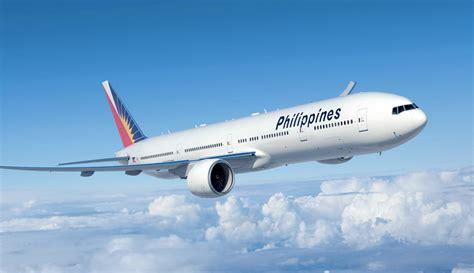
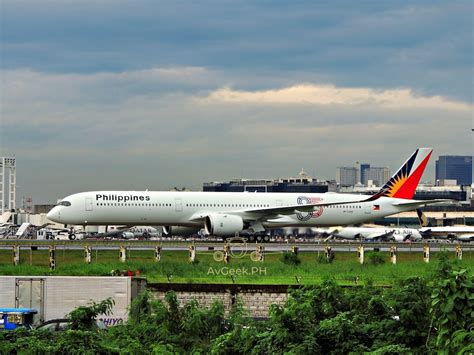
PAL’s A350 and Boeing 777 aircraft used for transpacific routes offer decent seating for economy class—with seat pitch ranging around 31–33 inches, depending on the configuration. However, PAL does not match ANA’s Premium Economy, which includes a pitch of 38 inches, priority boarding, enhanced recline, and amenity kits.
Service Quality: The Reputation Gap
ANA holds the prestigious Skytrax 5-Star Airline Rating, a designation few carriers achieve. Its cabin crew are consistently recognized for their efficiency, politeness, and service culture. From welcome greetings to post-meal service, passengers consistently describe ANA’s onboard atmosphere as orderly, respectful, and attentive.
PAL, while improving in recent years, remains a 3-Star Skytrax airline. Passengers have noted improved meal quality, friendlier service, and modernized cabins on long-haul flights. Still, inconsistencies persist—particularly on routes affected by delays, equipment swaps, and domestic transfer issues. ANA’s flight attendants, praised for thoughtful details like warm towels, genuine smiles, and multi-language support, set the bar high.
Food and Beverage: Culinary Standards in the Sky
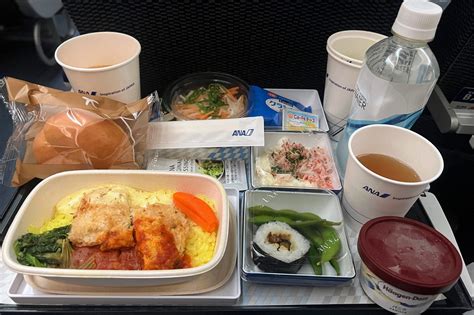
ANA is widely appreciated for its Japanese culinary standards in flight. Premium economy passengers enjoy seasonal Japanese meals, often accompanied by signature beverages such as Kabosu (Kyushu lime juice) and premium sake. ANA also caters to Western palates with alternative international menus, and their commitment to fresh ingredients and elegant presentation is evident.
PAL’s meals have improved, especially on international sectors. While traditional Filipino cuisine is offered, including dishes like chicken adobo or beef caldereta, the presentation and variety may feel basic compared to ANA. PAL’s catering is functional but not a highlight of the flight experience.
Aircraft and Onboard Technology
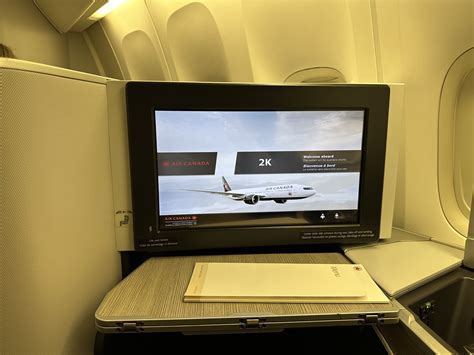
The ANA Boeing 787 provides a technological edge: higher humidity levels, lower cabin altitude, and modern entertainment systems contribute to a more comfortable long-haul experience. ANA also offers large touchscreens, noise-canceling headsets, and USB/power outlets across all classes.
PAL’s A350 fleet, while newer, features modern IFE (In-Flight Entertainment) systems, though content selection and responsiveness can sometimes lag. Older B777 aircraft are still used and may have dated interiors. Reports mention functional IFE but smaller screens, and some aircraft lack in-seat power in economy.
Ground Experience: Lounge, Terminal Access, and Check-In
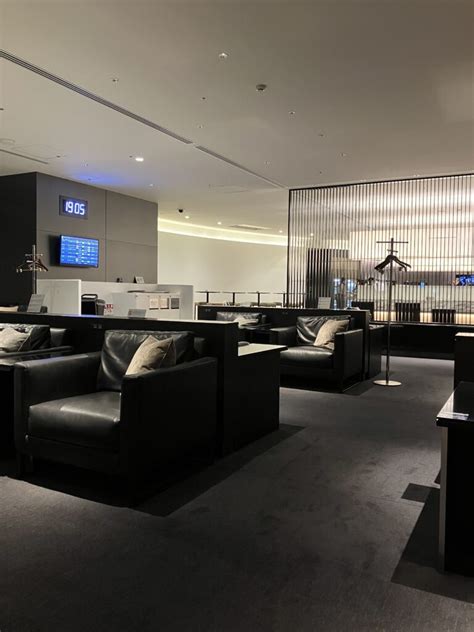
ANA passengers in Premium Economy can access ANA lounges at Tokyo airports or Star Alliance partner lounges. The ground experience is clean, quiet, and efficient. At LAX, ANA uses Tom Bradley International Terminal (TBIT), which is well-equipped with upscale duty-free, lounges, and dining options.
PAL, while improving its lounges in Manila (Mabuhay Lounge), lacks consistency across international gateways. At NAIA (Manila Airport), Terminal 2 (PAL’s hub) often receives criticism for limited food options, outdated interiors, and congested check-in areas. Meanwhile, Terminal 3, used by ANA and other international carriers, is generally more modern and passenger-friendly.
Loyalty Programs and Alliance Benefits
ANA is a member of Star Alliance, giving travelers access to global partners, miles accrual across numerous airlines, and potential elite benefits on carriers like United Airlines, Lufthansa, and Singapore Airlines. Their ANA Mileage Club is robust and recognized for its award availability.
PAL’s Mabuhay Miles remains a standalone program. While improvements have been made, its limited airline partnerships, low redemption value, and lack of alliance membership place it at a disadvantage. For travelers loyal to a global ecosystem, ANA’s program offers far greater flexibility and value.
Operational Reliability and Punctuality
ANA is known for its operational excellence and punctuality, consistently ranking among the world’s most on-time airlines. Delays are rare, and the airline’s ground coordination in Tokyo is regarded as one of the most efficient globally.
PAL, while improving, continues to face operational challenges. Delays, last-minute aircraft swaps, and scheduling inconsistencies—particularly during peak travel months—still occur. Although the airline has made strides in reducing cancellation rates and modernizing its fleet, it is still catching up to global standards.
Traveler Testimonials and Forum Consensus
Real-world insights from platforms like Tripadvisor’s Manila Forum reveal patterns in traveler preference. When costs are similar, most travelers favor ANA for service, comfort, and experience, even with a longer travel time. Several posters noted the value of Premium Economy, the quality of Tokyo stopovers, and the refined service culture of Japanese carriers.
Conversely, PAL was praised for shorter flight duration, decent economy-class comfort, and Filipino hospitality. However, even PAL supporters acknowledged ANA’s superior service standards when travel time wasn’t the primary concern.

Final Verdict: Should You Choose ANA or PAL?
For those who prioritize speed and want a direct, no-fuss flight from Los Angeles to Manila, Philippine Airlines is a viable and cost-effective option. Their non-stop service saves hours and removes the need for international transits. Additionally, passengers interested in Filipino meals, local service flair, and an easier journey to provincial destinations within the Philippines may find PAL more logistically convenient.
However, if the goal is comfort, service quality, and global perks, ANA emerges as the undisputed winner. Its Premium Economy cabin offers exceptional value, the layover in Tokyo can enrich the journey rather than hinder it, and the airline’s attention to detail and professionalism make it an experience in itself. The long route becomes tolerable—even enjoyable—when each segment is designed to pamper and relax the traveler.
In summary, the decision boils down to what matters most: time versus travel experience. For those willing to extend their trip for superior service, ANA sets the gold standard. But if shaving seven hours off your journey is paramount, PAL delivers respectable service with no frills but no major compromises either.