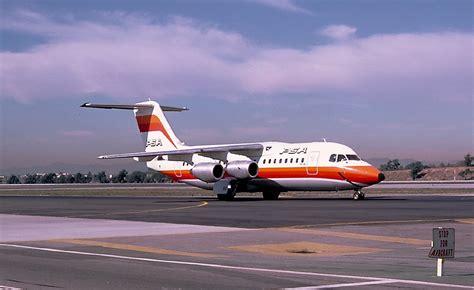
On December 7, 1987, Pacific Southwest Airlines Flight 1771 was transformed from a routine commuter hop between Los Angeles International Airport (LAX) and San Francisco International Airport (SFO) into a chilling mass murder-suicide. What began as a short intrastate flight aboard a British Aerospace 146-200A aircraft ended in catastrophe near Cayucos, California, taking the lives of all 43 people aboard. The shocking nature of the incident, the disturbing profile of the perpetrator, and the fallout from the tragedy left an indelible mark on aviation security policy and the collective memory of air travel in the United States.
A Routine Flight Turned Nightmare
Flight 1771 was operated by Pacific Southwest Airlines, a once-independent regional airline known for its quirky culture and cost-effective service, by then a subsidiary of USAir. The aircraft, tail number N350PS, bore the nickname “The Smile of Stockton”, a nod to the airline’s lighthearted branding.
Departing from Los Angeles at approximately 15:31 PST, the aircraft was expected to reach San Francisco in less than an hour. On board were 38 passengers and 5 crew members, including Captain Gregg Lindamood (43), with over 11,000 flight hours, and First Officer James H. Nunn (48), a seasoned pilot with 12,000 hours under his belt. The cabin crew consisted of three professional flight attendants: Debbie Nissen Neil, Debra Watterson Vuylsteke, and Julie Gottesman.
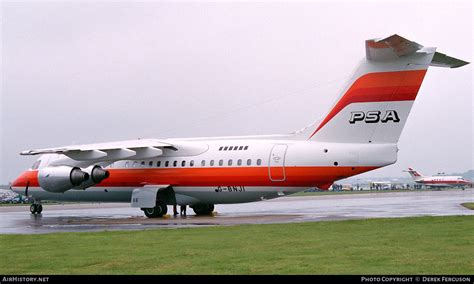
The BAe-146-200A, a quiet, fuel-efficient, high-wing regional jet powered by four Lycoming ALF502R-3 turbofans, was cruising at flight level 220 (22,000 feet) over California’s Central Coast when it suddenly vanished from radar. What the controllers didn’t yet know was that a horrifying chain of events had just unfolded within the aircraft’s cabin.
David A. Burke: A Man With Vengeance in His Heart
The catalyst of this tragedy was David Augustus Burke, a former USAir ticketing agent who had been fired for theft of $69 from inflight beverage receipts—an amount trivial in monetary terms but terminal in consequence. Burke, described by former colleagues as violent, arrogant, and unpredictable, had a history of drug-related suspicions, most notably alleged involvement in cocaine smuggling during his tenure in Rochester, New York.
Born in Croydon, England, to Jamaican parents in 1952, Burke emigrated to the United States and established a turbulent personal life that included seven children with four women. His employment in Los Angeles ended in disgrace, and his appeals for reinstatement were rebuffed by his supervisor, Ray Thomson, who happened to be aboard Flight 1771 on the day of the tragedy.
Using an unauthorized USAir ID badge and knowledge of the cockpit access code, which he had etched into the crew door with a paperclip, Burke boarded the flight at LAX—despite no longer being employed by the airline. He was armed with a .44 Magnum revolver, smuggled aboard in flagrant violation of existing airport security protocols.
Minutes of Terror at 22,000 Feet
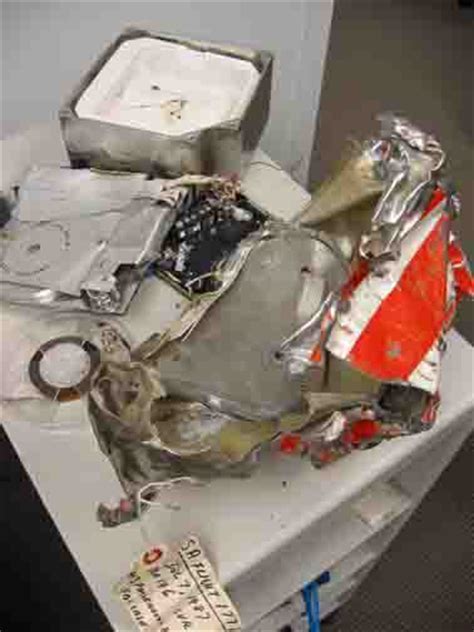
At approximately 16:10 PST, shortly after reaching cruising altitude, Flight 1771’s cockpit voice recorder (CVR) captured a chilling sequence. The audio began with a gunshot, followed by a scuffling noise near the cockpit. A male voice was recorded stating, “I’m the problem,” just before multiple gunshots rang out.
It is believed that Burke first murdered Ray Thomson in his seat. He then made his way to the cockpit, shooting Captain Lindamood, First Officer Nunn, and Flight Attendant Debbie Neil, who may have attempted to intervene. Amid the panic, one of the flight crew managed to radio an urgent but cryptic message: “We have a problem—shots fired.” Seconds later, the aircraft began a nose-down dive.
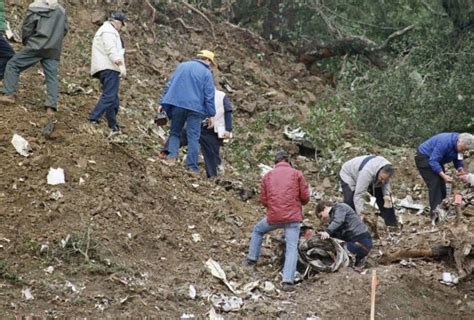
In the final seconds of the flight, the CVR picked up a final gunshot—likely the moment Burke shot off-duty pilot Douglas Arthur, seated among the passengers. The aircraft slammed into a remote hillside in San Luis Obispo County, just east of Cayucos, at a velocity estimated at 770 mph, subjecting the structure to a deceleration of over 5,000 Gs. The BAe-146 disintegrated on impact, scattering human remains and wreckage across the rugged terrain.
Aftermath: Forensics and Fallout
The impact obliterated the aircraft so completely that only 11 passengers could be identified via fingerprint and dental records. The magnitude of the disintegration was such that no bodies were recovered intact. Investigators from the National Transportation Safety Board (NTSB) and the FBI faced the dual challenge of piecing together physical evidence and confirming the identity of the assailant.
Found at the crash site was a damning handwritten note, scribbled by Burke and addressed to Ray Thomson:
“Hi Ray. I think it’s sort of ironical that we ended up like this. I asked for some leniency for my family. I got none. You’ll get none.”
The .44 Magnum revolver was located in the wreckage, bearing partial fingerprints linking it to Burke. The conclusive identification, combined with witness accounts of Burke boarding, enabled investigators to reconstruct the precise nature of the hijacking.
The public and corporate fallout was swift. Among the dead were James Sylla, President of Chevron USA, and several Pacific Bell executives, prompting Fortune 500 companies to revisit internal travel risk policies and executive security measures.
Rewriting the Rules of Airline Security
In response to the tragedy, the U.S. federal government enacted immediate and sweeping changes to aviation security regulations. Among the most consequential were:
- Mandatory confiscation of all airport or airline-issued credentials upon termination of employment
- Prohibition on terminated employees using any insider access for boarding
- Enhanced crew and staff screening protocols equal to those for passengers
These reforms closed a dangerous loophole that had allowed Burke to bypass security, underscoring how a single lapse in procedural enforcement could lead to mass tragedy. The industry, which had been reluctant to adopt universal employee screening, was now forced to reckon with the growing internal threat paradigm.
Cultural Memory and Dramatization
The events of PSA Flight 1771 have remained a haunting case study in aviation security failures, crew vulnerability, and the unpredictable consequences of human desperation. The tragedy was dramatized in the television series “Mayday”, in the episode titled “I’m the Problem” (also known as “Murder on Board” in the UK), providing a detailed forensic reenactment of the events based on CVR data and crash analysis.
In the realm of audio storytelling, it was also featured in Episode 113 of the Rooster Teeth podcast “Black Box Down”, which explored the psychological profile of Burke and discussed how small policy oversights can open the door to catastrophic scenarios.
A Monument to the Lost
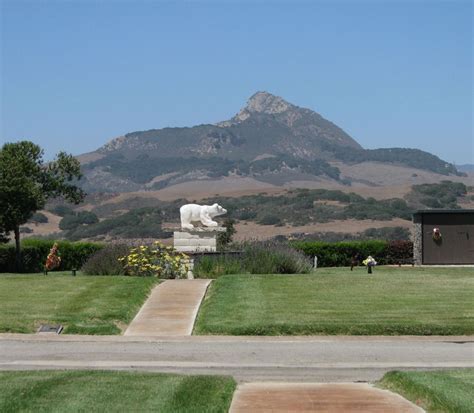
Today, a granite and bronze memorial marker stands quietly in the “Garden of Hope” section of Los Osos Valley Memorial Park, honoring the 42 identified victims. Many of those who perished were laid to rest nearby. The marker is not just a tribute to lives lost, but a solemn reminder of the fragile balance between trust and oversight in aviation.
PSA Flight 1771’s legacy is felt every time a badge is surrendered at a security gate, every time cockpit access is electronically verified, and every time a single employee is held to rigorous standards of conduct. The horror of that December evening served to forge a new level of vigilance in the skies—hard-won through heartbreak, but never forgotten.