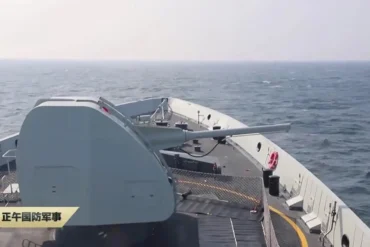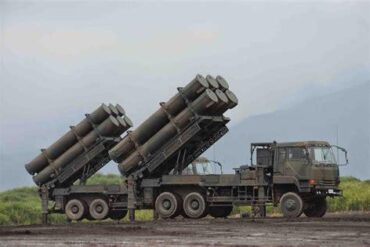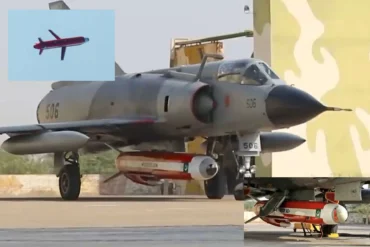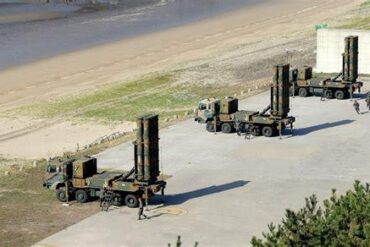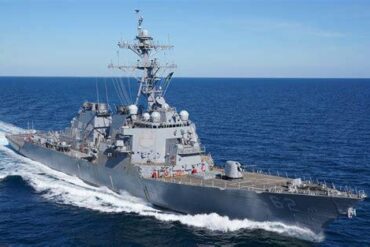
The Pakistan Navy has reached a visible milestone in its maritime air defense evolution with the successful live firing of the Chinese-made LY-80N surface-to-air missile from PNS Taimur (F-262), a Type 054A/P guided-missile frigate. The exercise, conducted in open waters and disclosed on January 11, 2026, demonstrated extended-range interception against an aerial target and reinforced Pakistan’s growing emphasis on fleet-level air defense in the Indian Ocean Region. Far more than a routine drill, the launch showcased an integrated combat system designed to protect high-value naval assets against modern aerial threats.
According to official statements from Pakistan Navy public affairs authorities, the missile was launched from the frigate’s vertical launching system (VLS) and successfully neutralized a high-speed target at extended distance. Naval officers involved in the exercise emphasized that the firing was conducted under combat-realistic conditions, validating the ship’s sensors, fire-control systems, and command-and-control integration. The test confirmed that the platform is fully operational and capable of responding to complex air threat environments, including aircraft, unmanned systems, and cruise missiles.
The event also reflects a broader doctrinal shift. Pakistan’s naval strategy has steadily evolved from coastal defense toward blue-water deterrence, with an increasing focus on protecting sea lines of communication, port approaches, and task groups operating far from shore. In that context, the LY-80N launch from PNS Taimur represents not just a technical success but a clear signal of intent to operate confidently in contested maritime airspace.
LY-80N Missile Performance Validates Extended-Range Naval Air Defense
During the exercise, the LY-80N engaged a maneuvering aerial target well beyond the ship’s immediate defensive perimeter. Defense sources familiar with the test indicated an engagement distance exceeding 40 kilometers, aligning with the missile’s advertised maximum reach of approximately 60 kilometers. This performance places the system firmly within the medium- to long-range naval air defense category, enabling Pakistani frigates to intercept threats before they can threaten the fleet or nearby maritime infrastructure.
The missile’s success highlights its ability to counter high-speed, low-altitude targets, a profile commonly associated with modern anti-ship cruise missiles. By neutralizing such threats at standoff ranges, the LY-80N significantly expands reaction time for commanders and reduces reliance on last-ditch close-in weapon systems. In practical terms, it transforms the Type 054A/P from a self-defended ship into a protective node within a layered fleet defense network.
This layered concept is central to modern naval warfare. Long-range sensors detect threats early, medium-range missiles thin out incoming attacks, and short-range systems handle any leakers. The successful firing demonstrated that Pakistan Navy is now capable of executing this model at sea, a capability once limited to a handful of advanced navies.
Origins and Capabilities of the LY-80N Air Defense System
The LY-80N is the navalized variant of China’s LY-80 surface-to-air missile family, itself the export version of the HQ-16. Developed by the China Aerospace Science and Technology Corporation (CASC) and marketed internationally by CPMIEC, the system draws conceptual lineage from the Russian Buk series while incorporating substantial Chinese redesign and modernization. The result is a missile optimized for high reliability, multi-target engagement, and compatibility with vertical launch architectures.
Technically, the LY-80N uses inertial navigation with mid-course updates, transitioning to radar guidance in the terminal phase. This allows it to engage fast, maneuvering targets with a high probability of kill, even in electronically contested environments. The naval variant is specifically engineered to withstand maritime conditions, including salt corrosion, ship motion, and rapid salvo firing from VLS cells.
For Pakistan, the adoption of this system provides a balance between capability and integration. The missile fits seamlessly into Chinese-built combat management systems already deployed aboard Type 054A/P frigates, reducing integration risk while delivering a credible air defense umbrella over task groups.
Type 054A/P Frigates as the Backbone of Fleet Modernization
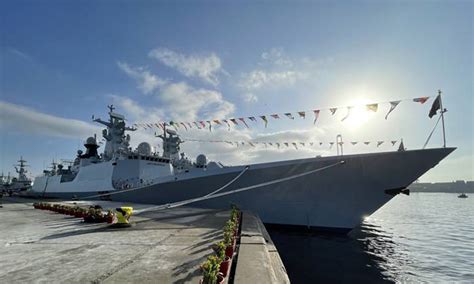
PNS Taimur, commissioned in 2022, is the second ship of Pakistan Navy’s Type 054A/P class, constructed by Hudong-Zhonghua Shipyard in Shanghai. These frigates represent the most capable surface combatants currently in Pakistani service, combining air defense, anti-surface, and anti-submarine warfare capabilities within a single platform.
Beyond the LY-80N, the ship is equipped with anti-ship cruise missiles, heavyweight torpedoes, a modern close-in weapon system, and an extensive electronic warfare suite. An advanced radar complex, including phased-array sensors, provides 360-degree situational awareness and supports simultaneous tracking of multiple airborne and surface contacts. This sensor-shooter integration is what enables the LY-80N to function effectively as part of a broader combat system rather than as a standalone weapon.
Collectively, the Type 054A/P class gives Pakistan Navy the ability to deploy balanced surface action groups capable of operating independently or alongside allied forces. The successful missile firing from PNS Taimur confirms that these ships are not merely symbolic acquisitions but fully functional warfighting assets.
Strategic Signaling in a Contested Indian Ocean Environment
The timing of the LY-80N test carries unmistakable strategic undertones. The Indian Ocean Region is witnessing intensified naval activity, with major regional and extra-regional powers expanding their presence. India, in particular, continues to invest heavily in aircraft carriers, long-range maritime patrol aircraft, and networked strike capabilities. Against this backdrop, Pakistan’s demonstration of long-range naval air defense serves as a calibrated deterrent message.
By fielding frigates capable of denying airspace over wide maritime areas, Pakistan complicates adversary operational planning. Aircraft, helicopters, and unmanned systems operating near Pakistani task groups must now contend with missile engagement zones extending well beyond visual range. This constraint alters the risk calculus during crises and raises the threshold for coercive air or maritime maneuvers.
The Arabian Sea, through which vital energy shipments and trade routes pass, is particularly sensitive. Enhanced air defense coverage from platforms like PNS Taimur strengthens Pakistan’s ability to safeguard maritime approaches to its ports and economic corridors, reinforcing national security objectives without resorting to escalatory postures.
China–Pakistan Naval Cooperation Deepens Operational Reach
The LY-80N launch also underscores the depth of China–Pakistan defense cooperation, especially in the naval domain. From shipbuilding and weapons integration to training and doctrine, Beijing’s role in modernizing Pakistan Navy has been both extensive and sustained. The Type 054A/P program exemplifies this partnership, delivering high-end capabilities at a pace that has reshaped Pakistan’s surface fleet within a few years.
For China, the success of systems like the LY-80N in foreign service enhances the credibility of its defense exports. For Pakistan, it provides access to advanced technology that would otherwise be difficult to acquire, enabling rapid capability enhancement without prolonged development cycles. The result is a navy increasingly aligned with modern network-centric warfare principles.
Regional observers are acutely aware of the implications. As Chinese and Pakistani naval capabilities mature in parallel, the western Indian Ocean becomes a more complex operational environment, requiring careful strategic management by all stakeholders.
A Defining Step Toward Credible Blue-Water Defense
The successful firing of the LY-80N surface-to-air missile from PNS Taimur marks a defining step in Pakistan Navy’s transformation. It confirms that the service can now field credible, extended-range air defense at sea, protect its forces against sophisticated threats, and operate with confidence beyond coastal waters. While the test was tactical in execution, its strategic resonance is unmistakable.
Pakistan Navy has signaled that it is prepared to defend its maritime interests with modern, integrated systems capable of meeting contemporary challenges. In an era where control of the air over the sea often determines the outcome of naval engagements, the LY-80N launch stands as a clear declaration that Pakistan intends to remain a serious and capable maritime actor in one of the world’s most consequential oceans.